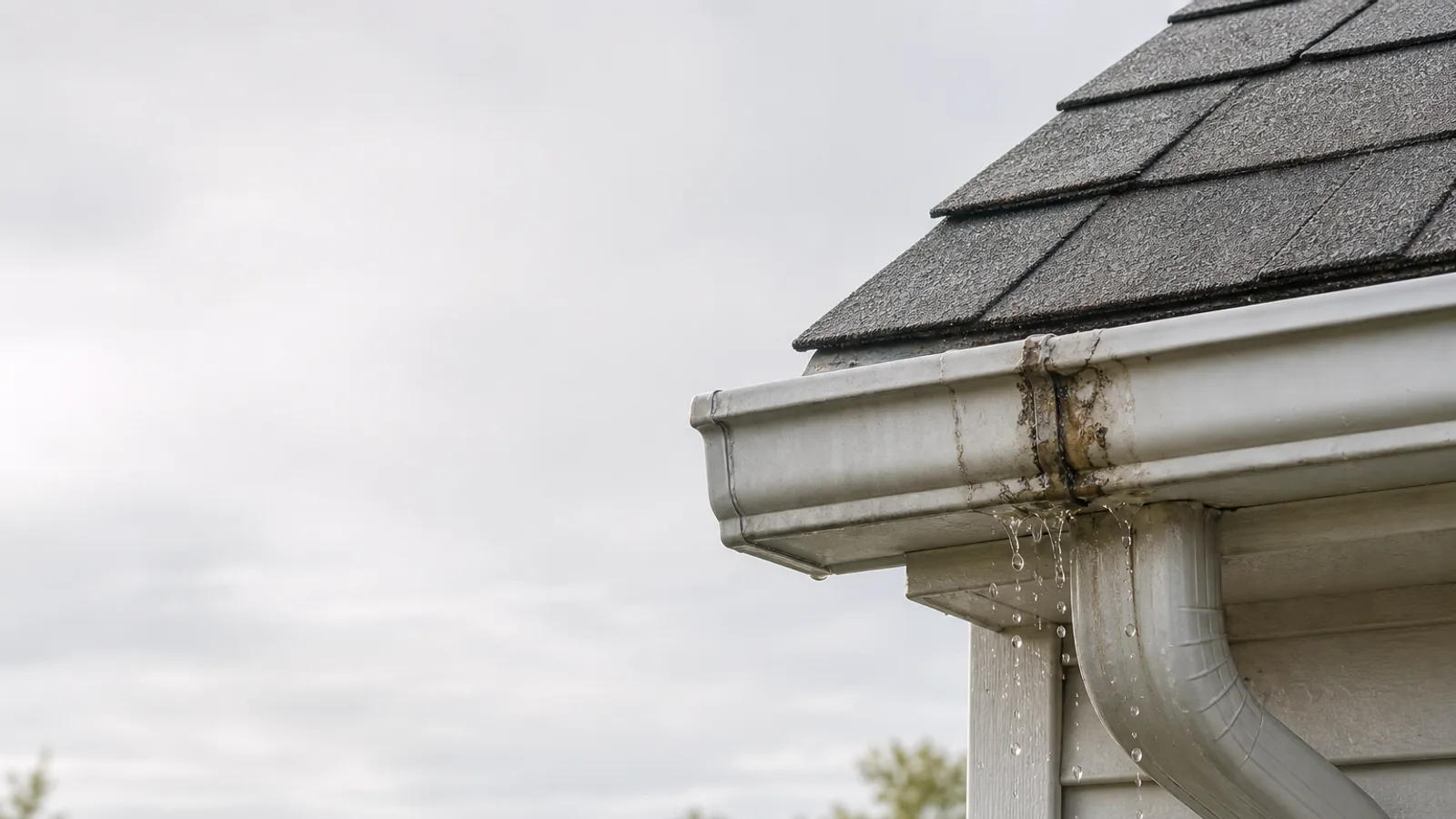
Choosing the right contractor for downspout installation matters more than most homeowners realize. Here is how to check licenses, insurance, and workmanship so your drainage does its job for the long haul.
Why the right downspout installer matters for your home
If you are tired of water pooling by your foundation or overflowing gutters, it is tempting to hire the first contractor who can add or move a downspout quickly. The trouble is that a bad installation often looks fine on day one but quietly causes problems over time. Poorly sized or badly sloped downspouts can back up during heavy Mid Atlantic storms, dump water right at your foundation, or send runoff where it undermines walkways and landscaping.
A careful installer treats downspouts as part of a full drainage system, not just a pipe stuck on the corner of your house. They look at roof size, gutter capacity, where your soil drains, and local weather patterns before recommending a layout. They also understand state and local requirements for home improvement work, including when permits or special registrations apply. When you know what to ask for, you are far more likely to get a downspout system that quietly does its job for years instead of one that leaves you back at square one after the next hard rain.
- Avoid foundation damage from concentrated roof runoff
- Prevent soggy yards and washed out mulch beds
- Reduce basement or crawl space moisture risk
- Limit staining and rot on siding and trim
What licenses and registrations should a downspout installer hold in your state
Because downspout installation is considered home improvement or construction work, most states in the All Pro Gutter Guards service area require some form of license or registration. In Pennsylvania, contractors doing home improvement work must register with the Attorney General under the Home Improvement Consumer Protection Act. They receive a registration number and must show proof of certain minimum insurance. That registration number is supposed to appear on contracts, ads, and estimates, and you can look it up through the state to confirm it is active.
New Jersey takes a similar but stricter approach for home improvement contractors. Businesses performing this kind of work must register as a Home Improvement Contractor Business with the Division of Consumer Affairs and meet rules that include commercial liability coverage and additional financial security. Maryland uses a formal license system for home improvement: contractors need a Maryland Home Improvement Commission license, which ties directly to a general liability insurance requirement. Delaware requires construction contractors to register with the Department of Labor, have a Delaware business license, and comply with insurance obligations. In Virginia, contractor licensing is organized by classes and specialties, and for most residential jobs over a relatively low dollar threshold, the state expects the contractor to be licensed with the Board for Contractors. In every case, you should ask for the exact license or registration name and number and verify it on the relevant state website before you sign.
- Ask for the exact license or registration number in writing
- Check the number on your state’s official verification website
- Confirm the license or registration is active, not expired
- Make sure the business name on the license matches your contract
How insurance protects you when hiring for downspout installation
Insurance details are not the exciting part of a downspout project, but they are one of the most important protections you have as a homeowner. Pennsylvania’s home improvement rules require registered contractors to carry commercial general liability insurance with at least a set amount for property damage and personal injury, and they must be able to prove it. New Jersey goes further, requiring home improvement contractors to maintain commercial general liability coverage with a per occurrence minimum that is significantly higher and to keep that coverage continuous while registered.
Maryland’s home improvement licensing body has recently made general liability coverage a clear condition of keeping a license active. Delaware’s contractor registration rules also call for general liability coverage and, when applicable, workers’ compensation and unemployment insurance compliance. Virginia’s Board for Contractors expects licensees to meet financial responsibility standards before they work on larger projects. For you, this means you should ask every downspout installer for a certificate of insurance that shows active general liability coverage and, if they have employees, workers’ compensation coverage. Always confirm that the insurance is in the company’s legal name and that the coverage period includes your planned install dates.
- Request a current certificate of general liability insurance
- Check the policy dates to cover your project window
- Confirm workers’ compensation coverage if the crew is not just the owner
- Avoid paying large deposits to anyone who refuses to show proof of insurance
What workmanship details to ask about for durable downspout installation
Licensing and insurance are the safety net, but workmanship is what keeps water where it belongs. A careful installer will start by assessing how much roof area feeds each section of gutter and whether your current downspouts are large enough. They should explain how many downspouts you need, what size makes sense for your gutter style, and whether any existing locations are bottlenecks. If they only talk in terms of “one more downspout over here” without any reasoning, that is a red flag.
Materials and connection methods matter too. Ask what material they plan to use for the downspouts and fittings, how they will fasten the pipes to your siding or masonry, and how they will transition from the gutter outlet to the downspout. For many homes, the more important decision is where the bottom of each downspout sends the water. A thoughtful installer will ask about wet spots in your yard, drainage toward neighbors, and any underground drains or extensions you already have. They should be comfortable explaining how they will slope extensions away from the house and how they will fasten or bury them so they do not shift or create trip hazards.
How to compare quotes and contracts for downspout installation fairly
Two bids for downspout work can look similar at first glance yet hide big differences. A solid quote will spell out how many downspouts will be installed or relocated, the size and material, how they will be attached, and what will happen at the discharge point. If a contractor simply gives you a lump sum without details, it is hard to know what you are really getting. You should not be shy about asking one contractor to match the level of detail another has provided so you can compare on even footing.
The written contract is just as important as the number at the bottom. In states like Pennsylvania and Maryland, home improvement rules require certain contract disclosures, such as the contractor’s registration or license information and basic terms. You want start and estimated completion windows, payment schedule, and a description of any warranties on materials and labor. Make sure the legal name on the contract matches what you saw in the license or registration lookup. If a company hesitates to put promises about scope, cleanup, or follow up in writing, it is safer to walk away before you commit.
When a local specialist is worth it for downspout and gutter work
Downspouts do not exist on their own. They are part of a system that includes gutters, roofline details, and sometimes underground drainage. Working with a company that focuses on gutters and downspouts, rather than a general contractor who dabbles in everything, can make a difference in how well that system works. Specialists tend to own the right tools for safely working at roof height, fabricating components, and testing flow, which helps with both safety and consistency.
Local experience also matters more than homeowners often realize. Rules about contractor registration, licensing, and business credentials vary between Pennsylvania, New Jersey, Maryland, Delaware, and Virginia, but a reputable local installer will already be operating within the correct framework. They will typically be familiar with how heavy local rains are, how common clogs are in your area, and what local inspectors and associations expect to see around foundations and grading. When you are ready to request quotes, you can ask a local company that provides downspout installation to walk your property with you and talk through options before anyone touches a ladder.
- undefined
- undefined
- undefined
- undefined
- undefined
- undefined
- undefined
- undefined
- undefined
Frequently asked questions
- What licenses should a downspout installer have in Pennsylvania?
- In Pennsylvania, contractors who do downspout and similar home improvement work are expected to register with the Attorney General under the state’s Home Improvement Consumer Protection Act. They receive a registration number that must appear on contracts and advertising. You can look this up through the state’s online system to confirm it is active before you hire.
- How do I check if a New Jersey downspout contractor is properly registered and insured?
- Home improvement contractors in New Jersey must register as a Home Improvement Contractor Business with the Division of Consumer Affairs and keep commercial general liability coverage at or above the state’s required minimum. Ask for their registration number, then verify it on the state site and request a certificate of insurance showing at least the minimum per occurrence coverage. If they cannot provide both, keep looking.
- Does my Maryland downspout installer need a specific license?
- Yes, in Maryland, contractors who perform home improvement work such as gutter and downspout installation generally need a license from the Maryland Home Improvement Commission. That license is tied to a general liability insurance requirement that must stay in place for the license to remain active. You can use the state licensing search to confirm that a company holds an active MHIC license before you sign a contract.
- Are there special rules for downspout installers in Delaware?
- Delaware requires construction contractors, including those who install or service downspouts, to register with the Department of Labor’s Office of Contractor Registration and to hold a Delaware business license. They also have to comply with general liability, workers’ compensation, and unemployment insurance rules where applicable. When you hire, you should ask for proof of registration, the business license, and current insurance paperwork.
- When is a Virginia contractor license required for downspout installation?
- In Virginia, the Board for Contractors oversees licensing for firms that do construction and improvement work on someone else’s property. For residential jobs above a modest dollar threshold, a licensed contractor is expected, and the license class depends on project size. If your downspout work is part of a larger gutter or exterior project, it is safest to insist on someone who holds the appropriate class of Virginia contractor license.
- What should be in a downspout installation contract before I sign?
- A solid contract should list the contractor’s exact legal name, address, and any required state license or registration numbers, along with a detailed description of the work. It also needs the number and type of downspouts, how and where they will be installed, the payment schedule, projected start and completion windows, and any warranties. Comparing contracts with this level of detail helps you see which installer is really offering better value instead of just a lower number.
Talk to All Pro Gutter Guards about downspout installation →