Downspout Installation in PA, NJ, MD, DE & VA
Proper drainage starts with the right downspouts. Expert installation to direct water safely away from your foundation.
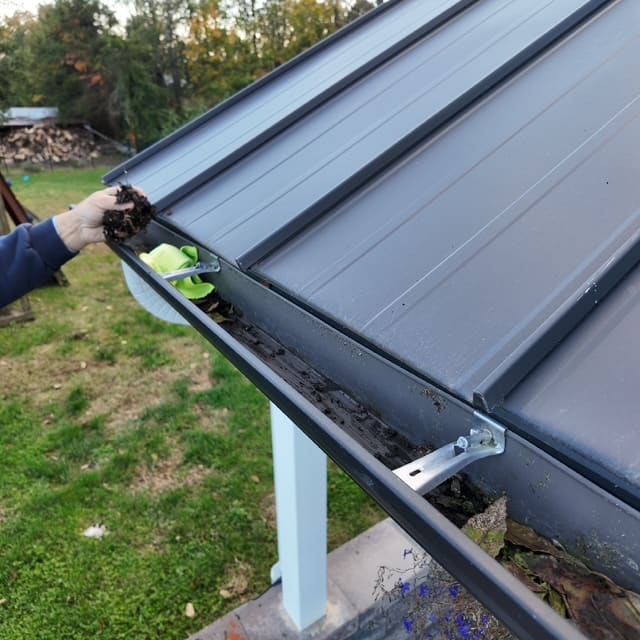
Downspout installation is the process of designing, sizing, and mounting the vertical drainage pipes that carry water collected by your gutters down to grade and away from the foundation. A correctly installed downspout closes the loop on a gutter system: the gutter catches the water, the proper gutter pitch moves it toward an outlet, and the downspout discharges it safely beyond the building. Done well, this prevents foundation seepage, basement moisture, eroded landscaping, and rotted fascia and soffit. All Pro Gutter Guards installs new downspouts, adds capacity to undersized systems, relocates problem drops, and ties outlets into underground drainage. The result is a gutter system that actually moves the volume of water your roof sheds during heavy storms.
What's Included: The Step-by-Step Installation Process
A proper downspout installation starts with a roof and gutter assessment to calculate drainage load based on roof area, pitch, and regional rainfall intensity. We confirm gutter pitch is adequate so water reaches each outlet, then locate downspout drops at low points and corners. The technician cuts an outlet in the gutter floor, installs a drop outlet or funnel, and connects an elbow to transition water down the wall. Sections of downspout are measured, cut, and joined with crimped connections and elbows to follow the wall line, then secured to the fascia and wall with brackets or straps at proper intervals. At grade, a final elbow and extension or underground tie-in directs water away. Every joint is fastened and, where needed, sealed. We finish by water-testing the run to confirm full flow with no leaks or backups, and verify the discharge point moves water at least several feet from the foundation.
Materials and Profiles: Choosing the Right Downspout
Downspouts are matched to the gutter profile and the water volume they must carry. Standard 2x3-inch aluminum downspouts suit smaller roofs and pair naturally with residential k-style gutter runs. Larger 3x4-inch downspouts move roughly twice the water and are the right call for big roof planes, steep pitches, or homes that overflow during downpours. Round corrugated and smooth round downspouts complement half-round gutter systems and copper installations for a period-correct look. Aluminum is the most common choice for its corrosion resistance and value; copper and galvanized steel serve premium or high-durability applications. Seamless gutter systems still use sectional downspouts, but the outlets are cleanly integrated. We also select elbow styles (A, B, and offset) to navigate eaves, soffit overhangs, and wall projections. The right material and size combination ensures the downspout never becomes the bottleneck that causes gutters to overflow.
Signs You Need New or Additional Downspouts
Several clear symptoms indicate a downspout problem. Gutters that overflow in heavy rain despite being clean usually signal too few downspouts or undersized 2x3 outlets that cannot pass the volume. Water pooling against the foundation, persistent basement dampness, and eroded mulch or trenched soil at discharge points show that downspouts are missing, disconnected, or dumping too close to the house. Peeling paint, staining, or rot on fascia and soffit near a downspout points to chronic overflow or a leaking joint. Ice forming at the base in winter can trace back to poor drainage that feeds an ice dam. Detached straps, crushed elbows, and rattling sections mean the run needs re-securing or replacement. If one downspout serves a long gutter run, adding a second outlet often solves overflow that no amount of cleaning or new gutter guard or micro-mesh leaf-guard will fix.
Done Right vs. Done Poorly
The difference between a lasting downspout and a recurring headache is in the details. Done right, drops are positioned at true low points so the gutter pitch feeds them, outlets are sized to the roof load, and the run is strapped securely every few feet so it cannot pull away or rattle in wind. Joints are crimped male-into-female in the direction of flow so water cannot leak at every seam, and the discharge is carried well clear of the foundation. Done poorly, installers place a single undersized downspout on a long run, leave joints reversed or unsecured, screw straps into nothing solid, or terminate the elbow right at the foundation where water sheets straight back toward the basement. Cheap work also ignores drip-edge and fascia conditions, fastening into rotted wood that fails within a season. Correct installation accounts for water volume, secure anchoring, leak-free joints, and a discharge plan, not just bolting metal to a wall.
What Affects the Cost
Downspout installation cost is driven by several measurable factors rather than a flat figure. The number of downspouts required depends on roof area and the length of gutter each drop must serve; more outlets mean more material and labor. Downspout size matters, as 3x4-inch runs cost more per foot than 2x3-inch. Material is a major variable: aluminum is the most economical, while copper and steel carry significantly higher material costs. Height and stories increase labor and may require additional staging or ladder work. The complexity of the run adds up too, since multiple elbows to clear soffit overhangs, bay windows, or wall offsets take more fittings and time. Discharge handling affects price as well, from simple splash-block extensions to underground tie-ins with buried piping and pop-up emitters. Repairs to fascia or soffit discovered during the work, and tying into an existing seamless gutter system, can also influence the final scope. We provide a clear estimate after assessing these factors on site.
Why Use a Licensed Local Pro
Downspout work looks simple but rewards regional experience. A licensed, insured contractor like All Pro Gutter Guards sizes drainage for the storms that actually hit PA, NJ, MD, DE, and VA, where heavy summer downpours and winter freeze-thaw cycles both stress a system. Local knowledge means downspouts are sized and discharged to keep water away from foundations in clay-heavy soils and to limit conditions that feed an ice dam at the eave. A pro coordinates downspouts with the whole system, including gutter pitch, drip-edge, and any gutter guard, micro-mesh, reverse-curve gutter guard, or leaf-guard you run, so debris and water are managed together. Licensing and insurance protect you if anyone is injured or property is damaged during ladder work. Serving the region since 2001 and available 24/7 at (833) 487-0469, the company stands behind correct sizing, secure anchoring, and leak-free joints rather than a quick patch.
Properly installed downspouts are what actually carry your roof's runoff away from the foundation, protecting your basement, landscaping, fascia, and soffit. All Pro Gutter Guards sizes, mounts, and discharges downspouts correctly across PA, NJ, MD, DE, and VA, coordinating them with your gutters and guards for reliable drainage in every storm. Licensed, insured, and serving the region since 2001, the team is available 24/7 at (833) 487-0469.
What to Expect
Free On-Site Estimate
We inspect your roofline, measure your gutters, and give you a clear, no-obligation quote.
Custom Recommendation
We match the right gutter or guard system to your home, trees, and local weather.
Professional Installation
Our licensed, insured crews install clean, lasting work — usually in a single day.
Final Walkthrough
We test water flow, clean up the site, and back the work with our warranty.
Why Choose All Pro Gutter Guards?
20+ Years Experience
Trusted by thousands of homeowners since 2001.
Licensed & Insured
Fully licensed in PA, NJ, MD, DE & VA. Bonded & insured.
Free Estimates
No-obligation quotes — transparent pricing, no surprises.
Downspout Installation — FAQs
How many downspouts does my house need?
The rule of thumb is one downspout for roughly every 30 to 40 feet of gutter, but the real number depends on roof area, pitch, and your region's rainfall intensity. Large or steep roof planes often need additional outlets to prevent overflow. We calculate drainage load during the assessment so each gutter run drains fast enough during heavy storms rather than backing up at the outlet.
What's the difference between 2x3 and 3x4 downspouts?
A 3x4-inch downspout carries roughly twice the water of a standard 2x3-inch downspout and clogs far less often. The smaller 2x3 size suits modest roofs and shorter runs, while 3x4 is the better choice for large roofs, steep pitches, or any home that overflows during downpours. Upsizing the downspout frequently solves overflow that cleaning and gutter guards alone never fix.
How far from the house should a downspout discharge?
Water should be carried at least four to six feet from the foundation, and farther on lots that slope toward the house. Discharging right at the base sends water straight toward the basement and erodes soil. We use extensions, splash blocks, or buried piping with a pop-up emitter to move water clear of the foundation and protect your basement and landscaping.
Can you add a downspout without replacing my gutters?
Yes. Adding a downspout to an existing gutter is a common and effective fix for overflow on a long run. We cut a new outlet at the proper low point, install a drop and elbows, and secure the run down the wall. This works on most k-style gutter and seamless gutter systems and is far less costly than replacing otherwise sound gutters.
Why does my downspout leak at the joints?
Leaking joints usually mean the sections were assembled with the seams facing the wrong way or were never properly crimped and fastened. Water should flow with each upper section nested inside the one below it. We assemble joints in the direction of flow, fasten them, and seal where needed, then water-test the full run. Call (833) 487-0469 if your downspouts leak or stain the siding.
Can downspouts connect to an underground drain?
Yes. Downspouts can tie into buried piping that carries water to a pop-up emitter, dry well, or storm drain well away from the house. This keeps water off walkways and out of the foundation zone and is ideal where surface extensions get in the way. We assess slope and outlet location to ensure the buried line drains fully and resists freezing.
Do gutter guards affect downspout performance?
Quality gutter guards, including micro-mesh and reverse-curve gutter guard systems, keep leaves out of the downspout so it stays clear and flows freely. Poorly matched or clogged guards, however, can restrict the outlet and cause overflow. We make sure your downspout outlets and any leaf-guard work together, sizing the drop so water and filtered debris move through without backing up at the top of the run.
What materials do you install downspouts in?
We install aluminum, copper, and galvanized steel downspouts in rectangular and round profiles. Aluminum is the most popular for its corrosion resistance and value, copper offers premium durability and looks that suit half-round gutter systems, and steel serves heavy-duty needs. We match the downspout material and profile to your gutters and home so the system performs well and looks consistent.
Our Locations Near You
Ready to Get Started?
Contact us for a free, no-obligation estimate today.