Professional gutter cleaning follows a repeatable checklist so you know exactly what you are paying for. This guide walks you through each step from the first ladder setup to the final inspection, and explains what is and is not included in a typical visit.
What does a full-service gutter cleaning actually include from start to finish?
When you book gutter cleaning, you are not just paying someone to go up a ladder and toss out a few leaves. A proper visit follows a predictable sequence so that water can move from your roof to the ground without getting hung up anywhere. Trade guides describe this as a multi-step process that starts with a visual scan, continues through cleaning and flushing, and ends with inspection and documentation. Knowing those steps up front lets you compare quotes based on substance instead of a vague promise to "clean the gutters."
For a typical one or two story home in the Mid-Atlantic, a thorough service should touch every part of the drainage path. That means the roof edge where debris gathers, the horizontal gutter runs, the vertical downspouts, and the connections where they meet. It should also include a check of how the gutters are attached and whether the slope is helping or hurting drainage. What often surprises homeowners is that many companies treat actual repairs or whitening of stained aluminum as separate services, not part of basic cleaning. Understanding that line keeps your expectations clear and helps you decide when cleaning alone is enough and when you should plan for repair work as well.
How does the initial inspection and setup work before any debris is removed?
Every visit should begin on the ground with an inspection, not with a blower or a scoop. A technician will walk around the house, looking up at the roofline to spot sagging sections, visible blockages, and areas with heavy tree cover. Industry guides recommend checking for things like overhanging branches, shingle grit on the ground, and staining on the siding or fascia, because those can point to past overflows or slow leaks along the gutter seams. This quick scan helps decide where to place ladders, which tools to bring up, and which areas might need extra time.
Once the problem spots are known, the next step is safe access. Ladders are placed on solid footing, and in many cases ladder stabilizers are used at the roof edge to keep weight off the gutters. For taller homes or complex sections, pros may use roof harnesses or specialized equipment, which is one of the reasons many homeowners in Pennsylvania, New Jersey, Maryland, Delaware, and Virginia choose not to tackle every cleaning themselves. Only after access is set up do they start work at the first corner of the system, usually at a downspout where clogs are most likely to affect drainage.
- Walk the full perimeter of the home from the ground
- Note visible overflows, staining, or sagging gutters
- Identify downspout locations and potential clog points
- Plan ladder positions for safe and complete access
What happens during the main gutter cleaning: how is debris actually removed?
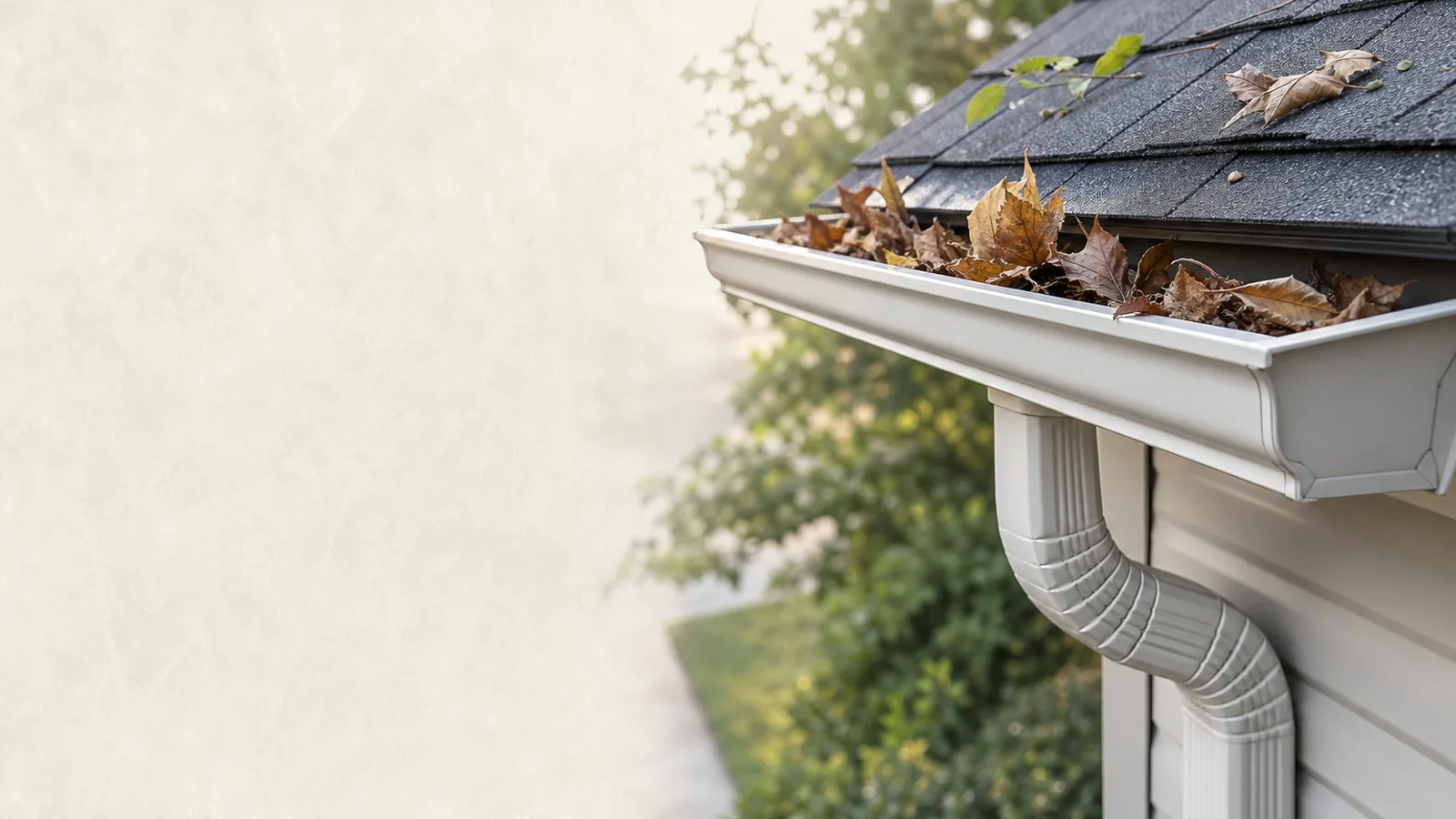
The core of any gutter cleaning visit is removing built up debris from the troughs themselves. Pros typically start at one end of a run and work toward the downspout, pulling out leaves, twigs, seed pods, and roof grit by hand or with a scoop. Industry descriptions highlight that smaller materials like pine needles and shingle granules are often cleared with a blower or vacuum once the bulk debris is gone. The goal is a clean channel, not just a quick swipe, because even a thin mat of material can hold moisture against the metal and lead to rust or staining over time.
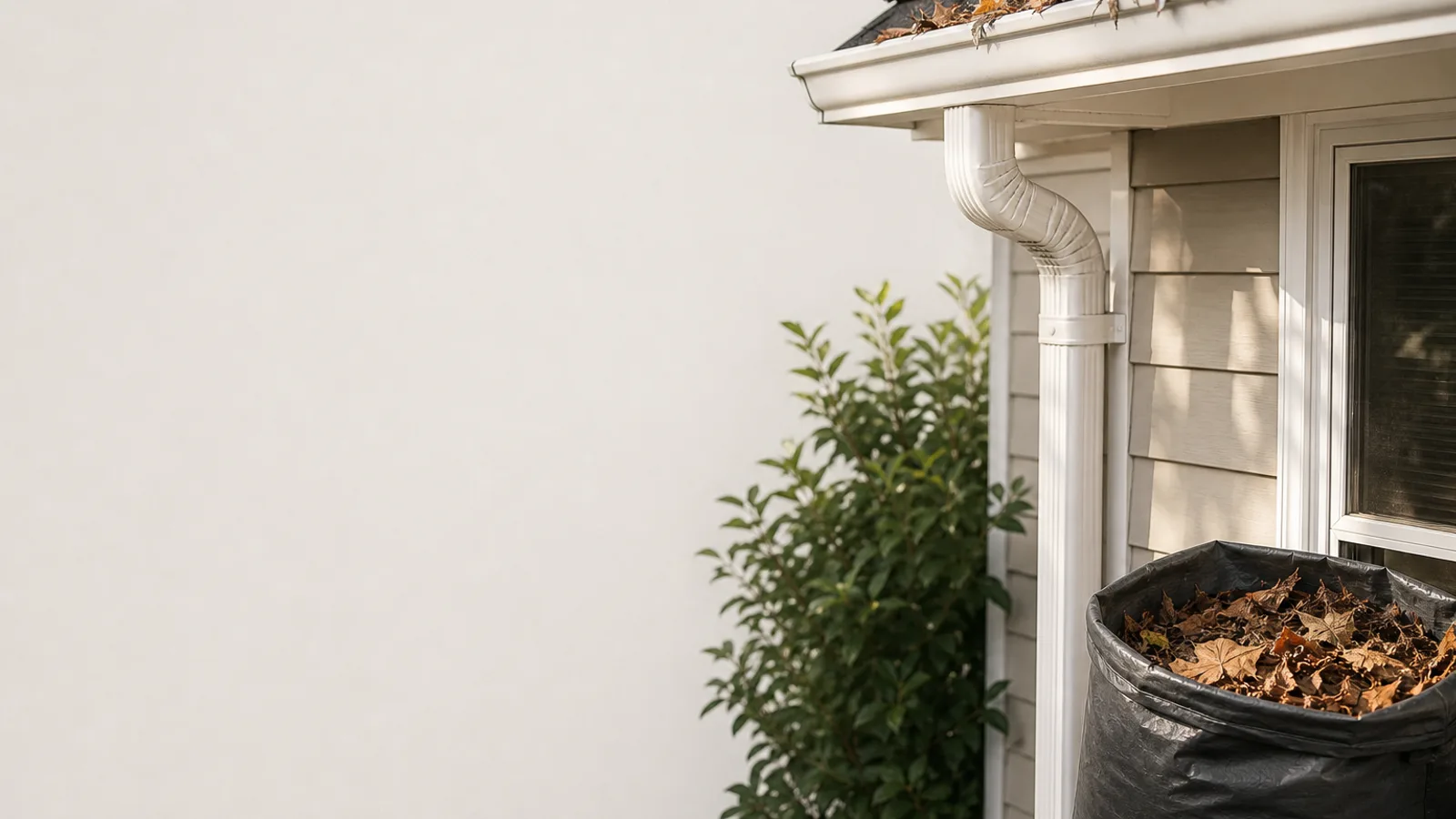
Corners and transitions get special attention because they tend to pack tight with debris. In many systems you will find strainers or small screens at downspout inlets or goosenecks. These are removed, emptied, and reinstalled so that water can drop freely into the vertical pipe below. Throughout this stage, responsible services avoid simply blowing waste into the yard. Instead, removed material is usually placed into buckets or bags as they go, especially on properties with landscaping, patios, or pools where stray debris would create more cleanup work later.
- Hand scoop large debris from the full gutter length
- Use blowers or vacuums for fine needles and grit
- Empty any strainers at downspout openings
- Bag or bucket debris instead of dropping it below
How are downspouts cleared and tested to be sure they are not clogged?
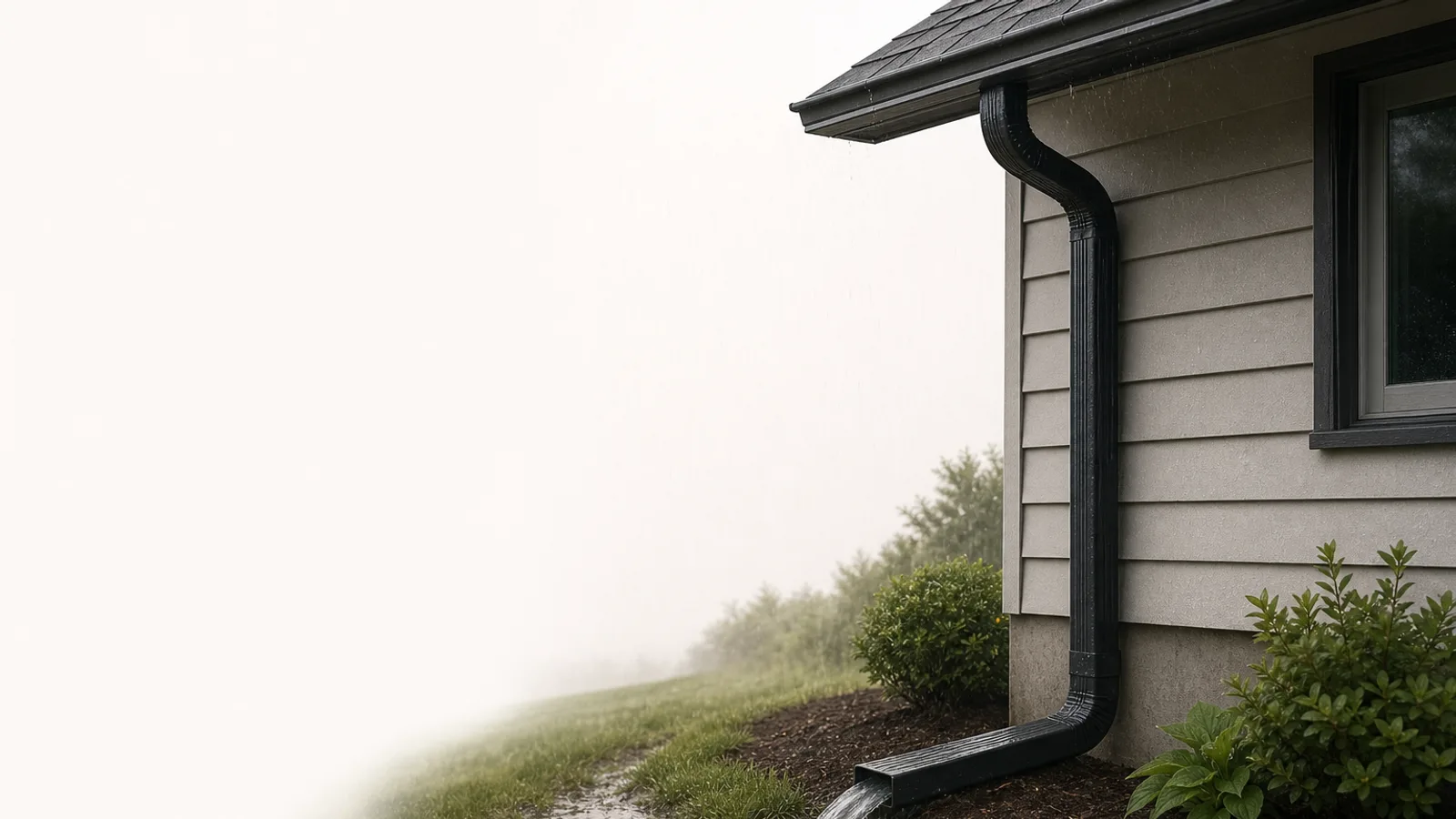
Downspouts are the most critical and most overlooked part of the cleaning process. You can have spotless gutters but still end up with water overflowing if the vertical pipes are blocked at the elbows or lower sections. Service guides explain that pros usually start by checking each downspout for obvious blockages at the top, then running water from a hose to see if it flows freely out the bottom. If the flow is weak or backs up, they may remove lower elbows or use a plumber's snake or similar tool to break up the clog.
On commercial systems the same concept applies to roof drains and underground lines, but for a typical home the focus is on the visible downspouts and any short extensions that direct water away from the foundation. Clearing these paths reduces the chance of water backing up, pushing under shingles, or spilling behind the gutters at the fascia. Some services will also check for loose straps or brackets holding the downspouts to the wall and note any separations at joints so you know where repairs are needed. The key outcome is simple: rain should travel from gutter to ground without hesitation.
What kind of water testing and structural inspection should follow cleaning?
Once the visible debris is gone and downspouts appear clear, a thorough service finishes with water testing and inspection. Guides recommend running a controlled flow of water along the gutter runs, starting at the high end and watching how it moves toward each outlet. During this step, a technician looks for areas where water pools instead of draining, which can indicate poor slope or a hidden low spot. They will also watch for drips at seams, end caps, or miters that point to worn sealant or small gaps in the system.
In the same pass, they inspect how the gutters are attached to the fascia and whether any sections are pulling away from the house. Loose hangers, rusted screws, and cracked fascia boards are all issues that cleaning alone will not fix, but they need to be noted so you can decide on next steps. Some service checklists specifically call for checking that overflow points like scuppers or secondary outlets are unobstructed on more complex roofs. The visit usually wraps up with photos or a brief report that documents what was cleaned, where water is flowing correctly, and what problems showed up during the inspection.
What is not usually included in standard gutter cleaning and when do extras make sense?
It is just as important to know what you are not buying as what you are. Across multiple service descriptions, basic cleaning generally does not include repairs such as resealing leaking joints, reattaching loose sections, replacing damaged fascia, or adjusting the pitch of long runs. Brightening or whitening the exterior of gutters, which involves special cleaners to remove oxidation and tiger striping, is almost always listed as a separate service. Some providers will perform minor fixes during a cleaning, but they are typically quoted apart from the cleaning fee itself.
Extra services start to make sense when cleaning reveals recurring issues. For example, if repeated visits show heavy debris loads every season, that can be a sign to consider gutter covers to reduce the cleaning frequency. If water tests show chronic pooling in the same area, you may need rehanging or additional hangers rather than another cleaning. Understanding the baseline scope of a standard visit also helps you evaluate the value of more comprehensive options like full inspection packages or seasonal maintenance plans. When you review what is included in a gutter cleaning service, compare it against these steps so you know whether you are getting simple debris removal or a full system check.
- undefined
- undefined
- undefined
- undefined
- undefined
- undefined
- undefined
- undefined
Frequently asked questions
- What is normally included in a professional gutter cleaning service?
- A standard gutter cleaning visit typically includes an initial inspection, removal of debris from the gutters, clearing and testing of downspouts, and a basic structural check of hangers and seams. Many services also bag and haul away the debris and provide photos or notes about any problems they find.
- Does gutter cleaning include fixing leaks and rehanging loose gutters?
- Most basic gutter cleaning packages do not include repairs such as sealing leaks, rehanging sections, or fixing damaged fascia. Technicians usually identify these issues during the cleaning and let you know what needs repair, but the actual fix is commonly quoted as a separate service.
- Should downspouts be flushed every time gutters are cleaned?
- Clearing and testing downspouts is an important part of a complete cleaning because many clogs form in the elbows and lower sections. Pros often flush them with a hose or use tools to clear blockages, then confirm that water exits freely at the bottom so the whole system can drain properly.
- Will a gutter cleaning service wash the outside of my gutters too?
- Rinsing the exterior can be part of a thorough cleaning, but brightening or whitening the outside surfaces is usually not included. Removing oxidation and streaks requires different cleaners and more time, so it is typically offered as an add-on rather than part of standard debris removal.
- How do I know if my gutter cleaner actually checked the slope and structure?
- After the visit, you should be able to ask what they saw about the gutter pitch, any pooling areas, and the condition of hangers and seams. Many professional checklists call for a water flow test and visual inspection, and it is common to receive photos or a short summary of any structural concerns.
- What happens to the leaves and debris taken out of my gutters?
- Responsible gutter cleaning services collect debris as they work and either bag it for your yard waste or haul it away, depending on the agreement. Simply blowing material onto your lawn or driveway is discouraged, since it can clog drains and create extra cleanup work around your home.