Restoration contractors across the Mid-Atlantic say many spring water damage calls trace back to short or failed downspouts, just as regional contractor backlogs peak for exterior work. Here is why demand spikes right after snowmelt and early rains, and how to get a downspout installation slot before the rush starts.
What recent water damage warnings reveal about spring downspout failures
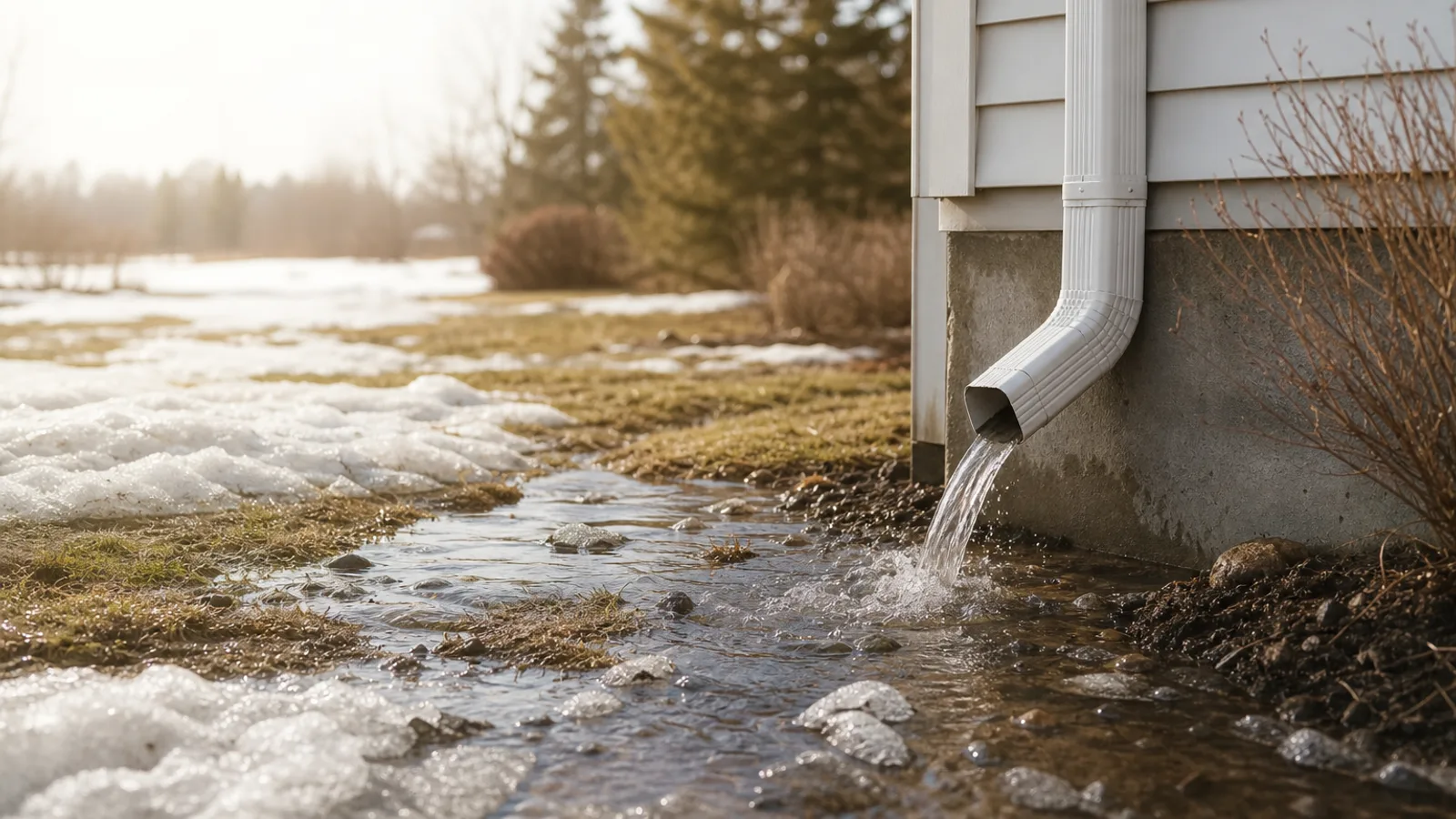
In early March 2026, a major basement waterproofing firm in Pennsylvania and Delaware went public with an unusual warning. After a winter of heavy snow, they cautioned homeowners that the upcoming thaw, layered on top of spring rains, could drive meltwater straight into basements and foundations. Their experience was that many of those headaches did not start with the basement at all, but with roof water being dumped right against the house because gutters and downspouts were not doing their job.
A separate analysis of water damage in Mid-Atlantic homes this fall pointed to the same bottleneck in a different way. Restoration specialists in Washington DC, Maryland, and Northern Virginia described a pattern: after each major storm or freeze-thaw period, they saw a wave of calls for foundation leaks and interior water damage. When they traced the water path, they often found short downspouts terminating at the base of the wall, missing extensions, or undersized drainage paths that could not handle combined snowmelt and rain. That real-world data is the backdrop for the sharp demand you see every spring for new or reconfigured downspout systems.
For you as a homeowner, the important point is timing. The damage that shows up in March and April is the product of decisions made months earlier: neglected winter maintenance, missing downspout capacity, or drainage layouts that were never designed for today’s rain events. By the time your basement starts to smell musty or you see water at the sill plate, you are competing with everyone else who is discovering the same thing at the same time.
Why contractor wait times spike for downspout installation right after thaw
Seasonal contractor schedules in the Mid-Atlantic are not random. A regional overview of exterior trades in the Baltimore area highlighted that March through May is when freeze-thaw damage becomes obvious and when homeowners finally get a clear look at what winter did to their exteriors. Roofing issues, siding problems, foundation cracks, and drainage failures all tend to surface within the same window. That cluster of needs is exactly what drives 4 to 8 week backlogs for established firms each spring.
Downspout work sits directly in the middle of this surge. Some projects are standalone upgrades, such as adding more discharge points or relocating an outlet that dumps onto a walkway. Others are part of bundled repairs when gutters have pulled away or seams have split during winter. An industry blog from New Jersey on frozen and split gutters notes that major gutter and downspout jobs are commonly postponed until temperatures are friendlier, which often means they stack up in spring. Once weather allows safe ladder and roofline work consistently, every contractor’s deferred list hits the calendar at once.
If you wait to call about downspout installation until you see water pooling next to the foundation in March, you are stepping into that full pipeline. Given those documented 4 to 8 week spring backlogs in at least one Mid-Atlantic metro, it is realistic to expect that a new downspout project scheduled in early March might not be completed until late April or May. That lag matters because it overlaps with the peak season for heavy spring storms, exactly when you would prefer to have your drainage system already upgraded.
Contractor availability is not just about patience, either. When crews are booked solid, your flexibility on dates narrows, and your options for coordinating with other work, such as driveway, patio, or foundation repairs, get squeezed. Planning your downspout changes outside of that known rush window is one of the few levers you control that can directly shrink your risk window for water damage.
- Spring backlogs of 4 to 8 weeks are documented for exterior trades in at least one Mid-Atlantic market.
- Freeze-thaw damage only becomes visible as temperatures warm and snow clears from rooflines.
- Many major gutter and downspout projects are deferred until milder weather allows safer work.
- Drainage, roofing, siding, and foundation trades all compete for the same spring calendar slots.
How freeze-thaw damage over winter turns into spring drainage emergencies
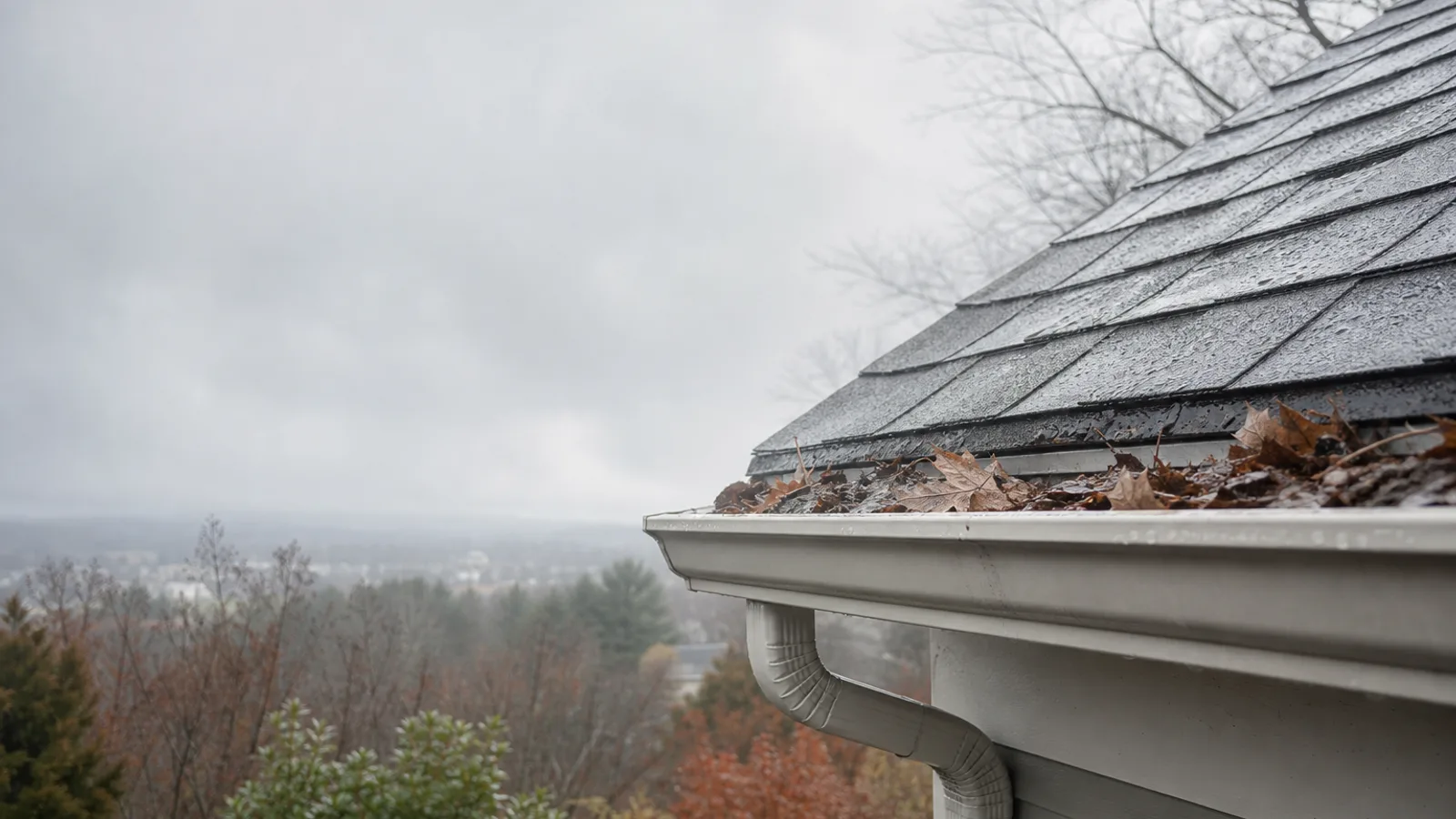
The winter that sets up your spring drainage problems usually looks ordinary from ground level. Snow collects along the roof, temperatures bounce above and below freezing, and gutters look solid enough from the driveway. Higher up at the roofline, though, a slower process may be playing out. Industry guidance out of New Jersey highlights how repeated freeze-thaw cycles can split seams in gutters, open pinhole leaks, and slowly pull fasteners away from fascia boards. You might not notice a slightly sagging run or a stretched spike until water starts spilling in ways it never did before.
Those small failures suddenly matter when the snow load on your roof begins to melt and is combined with early spring rain. Water looks for the path of least resistance. A seam that was only weeping in fall can become a steady sheet of water dropping beside your foundation in March. A section of gutter that has pulled away half an inch might now tilt enough that water bypasses the downspout inlet entirely. What looked like a cosmetic issue becomes a functional failure at precisely the time you have the most water to manage.
The restoration piece on Mid-Atlantic water damage underlines how often that extra sheet of water near the wall becomes a claim. The region’s clay-heavy soils and higher water tables already make it harder for moisture to drain away from foundations. Add a misdirected downspout stream, or a gutter leak that lands a few inches from the foot of the wall, and you increase the odds that moisture will push laterally into basements or crawlspaces. In other words, what started as a hardware problem at the roof edge quickly becomes a structural and indoor air quality problem at ground level.
Understanding that chain of cause and effect is useful because it clarifies why demand for downspout solutions piles up after thaw. Homeowners are not just reacting to drip lines or damp spots near the eaves. They are often responding to water inside the house that can be traced back to the way roof runoff is being handled, which instantly elevates the perceived urgency of downspout installation or reconfiguration.
- Freeze-thaw cycles can split gutter seams that looked sound in the fall.
- Sagging sections can redirect water past existing downspout inlets.
- Snowmelt combined with rain delivers more runoff volume than either alone.
- Clay soils and higher water tables in the Mid-Atlantic slow natural drainage.
Why booking downspout installation before spring can improve price and options
Because there are no universal price tags published for every home, most guidance on gutter and downspout work focuses on what drives cost rather than exact figures. The New Jersey analysis of frozen and split gutters, for example, talks in terms of different project scales and how more complex repairs tend to be delayed until spring. When those bigger jobs end up competing with an already crowded spring schedule, it is natural for contractors to prioritize urgent work and fit everything else around it. That environment can make it harder to compare options calmly or to schedule non-emergency upgrades.
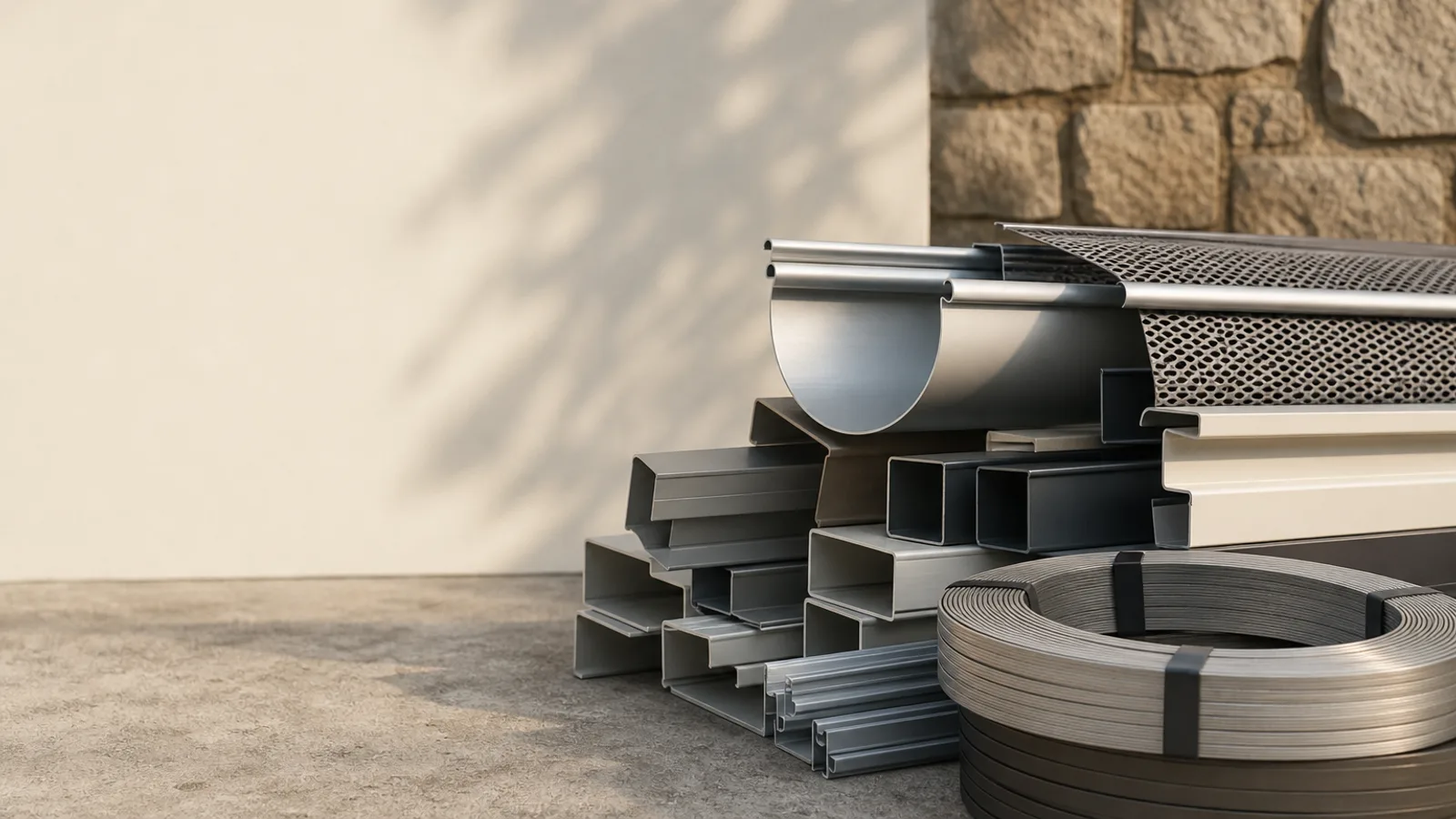
If you plan downspout changes during late winter or the shoulder months before the thaw rush, you have more freedom to evaluate approaches. You can look at whether you need additional downspout runs for capacity, extensions to move water farther from the house, or tie-ins to yard drainage features. You can also talk through materials, such as different downspout sizes and shapes, without feeling like you need a decision in an afternoon because the next storm is days away and your basement just took on water.
Regional water damage experts emphasize that the cost of not acting can be substantial, even if no one source offers a simple number. Foundation repairs, interior restoration, and mold remediation frequently originate in chronic drainage issues rather than dramatic single events. Getting a handle on roof runoff before the wet season ramps up is less about chasing an exact dollar savings and more about shrinking the window in which water can reach vulnerable parts of your home. By stepping ahead of the known spring demand spike, you give yourself better odds of finishing the work before that window opens.
Planning ahead also lets you coordinate downspout work with other home projects. If you are considering exterior painting, new hardscaping, or adjustments to grading, installing or relocating downspouts beforehand can prevent having to tear up new surfaces later. When contractors are not booked wall to wall, there is usually more slack in the schedule to accommodate that kind of sequencing.
How to time and scope your spring-thaw drainage plan around downspouts
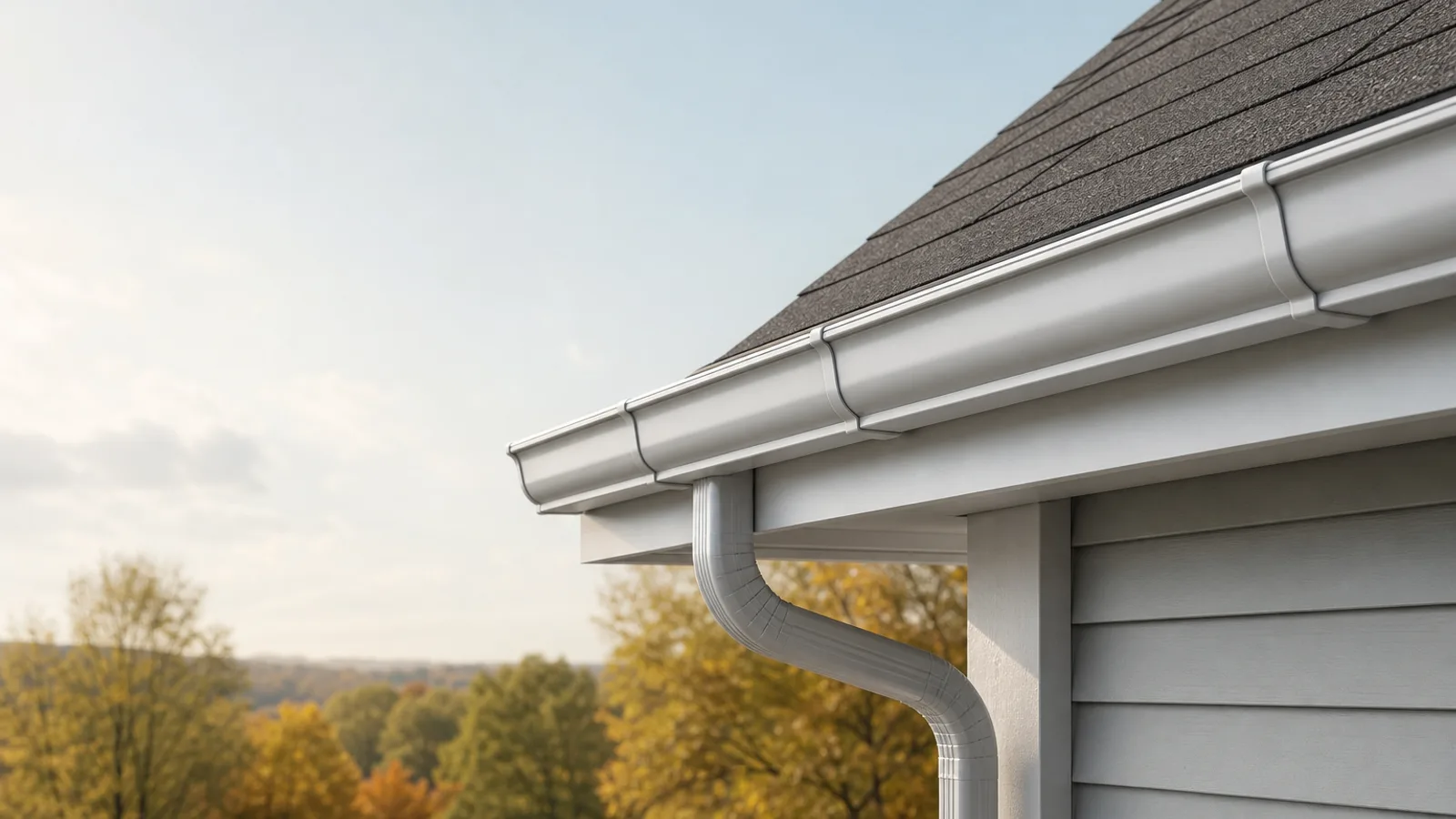
The recent focus on Mid-Atlantic water damage and seasonal contractor backlogs draws a straight line from winter roof runoff to spring basement issues. That line runs directly through your downspouts. As a homeowner, your goal is to treat downspout installation and configuration as core infrastructure, not an afterthought. That means looking at them in context: roof area, existing gutters, slope around the house, soil conditions, and what happens to water once it leaves the outlets.
One practical takeaway from regional contractor scheduling data is that you do not have to wait for visible damage to start planning. Late fall and the mid-winter lull between major storms can be good times to assess whether your current downspout layout fits the way your property handles water. That might include checking where outlets terminate, how close they are to basement windows or low entries, and how well your yard absorbs or carries away discharge during ordinary rains. The documented pattern of post-storm restoration calls suggests that many homes only confront these questions after something has already gone wrong.
If you decide that changes are needed, it can be useful to integrate downspout work with broader drainage adjustments. That might mean adding extensions, redirecting flow to safer parts of the yard, or coordinating with a grading contractor. A focused downspout installation service becomes the core of that plan, because it controls where roof water lands in the first place. From there you can build out other components, such as splash blocks or underground piping, with the confidence that runoff is being intercepted and steered away from the house.
Ultimately, the pattern that news and industry sources describe is less about a single dramatic storm and more about repeated stress on systems that are already marginal. Snowmelt, freeze-thaw cycles, and heavier spring rains strain any weak links in your gutters and downspouts. By understanding how that cycle plays out each year and how it drives contractor demand, you can choose to make those changes before everyone else is competing for the same installation slots.
- undefined
- undefined
- undefined
- undefined
- undefined
- undefined
- undefined
- undefined
- undefined
Frequently asked questions
- Why does demand for downspout installation increase after spring thaw?
- Demand rises because snowmelt and early spring storms expose weaknesses that were hidden all winter. Restoration and waterproofing contractors in the Mid-Atlantic report a surge of calls after thaw, many of which trace back to gutters and downspouts failing to move water away from foundations. Once homeowners see leaks or basement dampness, they often seek new or reconfigured downspouts at the same time.
- How long will I wait for a downspout installation appointment in spring?
- Actual wait times vary by company and location, but regional contractor data from Baltimore shows that exterior trades can see backlogs of 4 to 8 weeks during the spring rush. Since gutter and downspout projects are part of that broader exterior workload, it is realistic to expect several weeks of lead time once thaw-related damage appears. Booking in late winter or early off-peak periods can often shorten that wait.
- What types of winter damage can force me to replace downspouts in spring?
- Freeze-thaw cycles can split gutter seams, pull sections away from the fascia, and change the way water flows into existing downspouts. Industry guidance from New Jersey notes that sagging runs and cracked joints are common after cold snaps. When that damage prevents water from reaching or passing through downspouts properly, replacement or reconfiguration becomes necessary as soon as meltwater and rain increase flow volumes.
- Can short or poorly placed downspouts really cause basement flooding?
- Yes, water damage experts in the Mid-Atlantic report that many foundation leaks and basement moisture problems track back to downspouts that end too close to the house. The region’s clay soils and higher water tables slow the natural movement of water away from foundations. When a downspout discharges right at the base of a wall, repeated saturation can push moisture through small cracks or gaps into basements.
- When is the best time of year to plan a new downspout installation?
- Planning in late winter or during a relatively dry stretch before spring storms gives you more flexibility. Contractor guidance shows that many bigger gutter and downspout projects are delayed until weather moderates, which is exactly when backlogs build. If you assess your drainage and line up installation before the thaw-driven rush, you are more likely to have the work completed before heavy spring rains arrive.
- Do I need to redesign my whole drainage system to fix downspout issues?
- Not always, but it is smart to look at downspouts as part of a complete drainage picture. Restoration and contractor reports highlight that problems often start where roof water hits the ground, so adjusting downspout placement or adding extensions can make a big difference by itself. In some cases, pairing new downspout locations with grading improvements or additional surface drainage gives more reliable protection against water intrusion.
Talk to All Pro Gutter Guards about downspout installation →