Downspout Repair: Why Downspouts Clog, Leak and Pull Away — and How They Are Fixed
Fix downspout blockages, damage, and drainage issues fast. Protecting your foundation starts here.
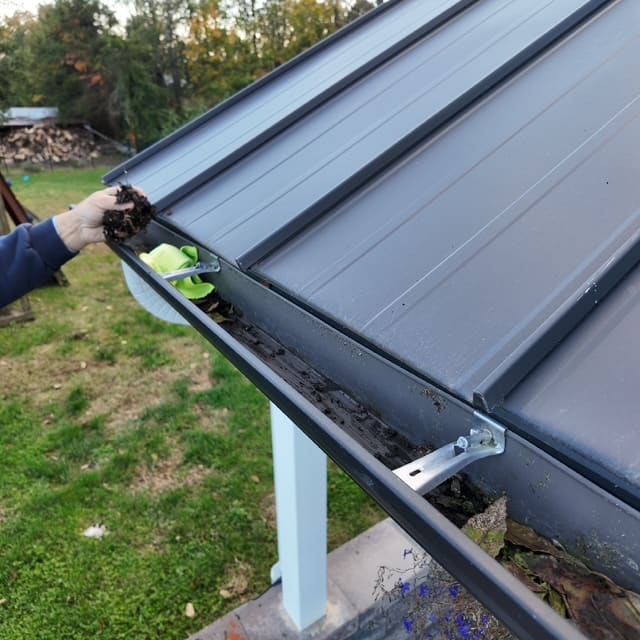
Downspout repair restores the vertical drainage that carries water collected by your gutters safely down and away from your home's foundation. When a downspout cracks, separates at a seam, detaches from the wall, or clogs, the water it should be channeling instead sheets down siding, pools at the base of the structure, and works its way toward the basement or crawlspace. All Pro Gutter Guards diagnoses the failure point, repairs or replaces the affected section, re-secures hangers and straps, and confirms the entire run flows freely from the gutter outlet to the discharge point. The outcome is a watertight, properly pitched drainage path that protects your foundation, fascia, soffit, and landscaping through every storm and freeze-thaw cycle.
What Downspout Repair Includes, Step by Step
A proper downspout repair begins with a full inspection of the run from the gutter outlet down to the ground discharge. The technician confirms where water is actually escaping, since a stain at the bottom often originates from a failed joint or clog higher up. Next, the downspout is cleared of leaf packs, shingle grit, and debris that block flow at elbows and crimped sections. Loose or pulled-away sections are re-secured with new straps or brackets anchored into solid framing rather than soft siding. Separated seams and crimped joints are re-fitted, sealed, or replaced. The outlet connection at the gutter is checked for leaks, and any failed elbow is swapped out. Finally, water is run through the system to verify it drains cleanly, exits at the proper discharge point, and moves away from the foundation rather than pooling against it.
Materials and Profiles, and When Each Fits
Most homes use aluminum downspouts, valued for corrosion resistance and a finish that matches seamless gutter systems. Galvanized and steel downspouts appear on older or commercial structures and offer impact strength but can rust at seams over time. Copper downspouts pair with half-round gutter and high-end facades, developing a patina and lasting for decades. Vinyl is occasionally found on budget installations but becomes brittle and cracks in cold climates. Profiles also matter: rectangular downspouts commonly serve k-style gutter runs, while round downspouts complement half-round gutter and copper systems. Sizing is a real decision, not a default. A 3x4 downspout moves substantially more water than a 2x3 and is the right call for large roof planes, valleys that dump concentrated flow, or homes prone to overflow. During repair, matching the existing material, color, and size keeps the system cohesive and hydraulically balanced.
Signs You Need Downspout Repair and the Problems It Solves
Several symptoms point to a failing downspout. Water cascading down the side of the house during rain indicates a clog, a disconnected joint, or a section pulling away from the wall. Pooling water and eroded soil at the base signal that the discharge is dumping too close to the foundation or that the downspout has separated near the bottom. Peeling paint, rust streaks, or rot on the adjacent fascia and soffit reveal chronic overflow. In winter, a clogged or poorly pitched downspout contributes to ice dam pressure by trapping meltwater that cannot drain. Sagging, dented, or visibly detached downspouts speak for themselves. Left unaddressed, these failures drive water toward the foundation, causing basement seepage, cracked footings, and frost heave. Timely downspout repair protects the structure, preserves landscaping, and prevents the far more expensive water-intrusion damage that follows neglected drainage.
How It's Done Right Versus Done Poorly
Done right, downspout repair starts with diagnosis, not guesswork. Hangers and straps are anchored into framing, joints are crimped male-into-female so water flows with gravity rather than catching at lips, and sealant is applied only where mechanical fit alone cannot guarantee a watertight seam. The discharge is extended well away from the foundation with a properly secured extension or splash block. Done poorly, technicians smear caulk over a separated joint without correcting the underlying pitch or anchoring, leaving a repair that fails within a season. Sloppy work reverses the crimp direction so seams collect debris, drives screws into siding instead of structure, or leaves the discharge dumping at the foundation. A quality repair also accounts for the gutter pitch feeding the outlet and confirms the gutter itself is not the true source. The difference is whether the fix lasts years or weeks.
What Affects the Cost of Downspout Repair
Several factors drive the cost of downspout repair, and reputable companies price the actual scope rather than quoting blind. The most significant variable is whether you need a localized fix, such as re-securing a strap or replacing one elbow, versus replacing an entire downspout run from the gutter outlet to the ground. Material matters: aluminum is economical, while copper and specialty profiles cost considerably more. Height and access influence labor, since a three-story run or one over a steep roof requires more setup than a single-story repair. Downspout size also factors in, as upgrading a 2x3 to a 3x4 to fix chronic overflow involves more material and new outlets. Additional considerations include the number of elbows, the length of any underground or buried drain tie-in, and whether discharge extensions or splash blocks are added. Get an itemized estimate so you understand exactly what each line covers.
Why Use a Licensed, Local Professional
Downspout repair looks simple but ties directly into the health of your roofline, foundation, and the rest of the gutter system. A licensed, insured professional carries the liability coverage that protects you if anything goes wrong during ladder or elevated work, and the licensing that signals accountability to local standards. A local pro understands regional realities: the freeze-thaw cycles and ice dam risk across PA, NJ, MD, DE, and VA demand drainage that clears fast and discharges far from the foundation. Experienced technicians also recognize when a downspout problem is really a symptom of poor gutter pitch, a failing seamless gutter, or guards like micro-mesh or reverse-curve leaf guard channeling concentrated flow. All Pro Gutter Guards has served the region since 2001, is available 24/7, and repairs downspouts as part of a complete drainage system rather than an isolated patch, so the fix actually solves the problem.
A downspout is the part of your gutter system that actually carries water away from your home, and when it fails the foundation pays the price. All Pro Gutter Guards diagnoses the real failure point, repairs or replaces the affected sections, and confirms the entire run drains cleanly and discharges well clear of the structure. Licensed, insured, and serving PA, NJ, MD, DE, and VA since 2001, we are available 24/7 at (833) 487-0469.
What to Expect
Free On-Site Estimate
We inspect your roofline, measure your gutters, and give you a clear, no-obligation quote.
Custom Recommendation
We match the right gutter or guard system to your home, trees, and local weather.
Professional Installation
Our licensed, insured crews install clean, lasting work — usually in a single day.
Final Walkthrough
We test water flow, clean up the site, and back the work with our warranty.
Why Choose All Pro Gutter Guards?
20+ Years Experience
Trusted by thousands of homeowners since 2001.
Licensed & Insured
Fully licensed in PA, NJ, MD, DE & VA. Bonded & insured.
Free Estimates
No-obligation quotes — transparent pricing, no surprises.
Downspout Repair — FAQs
Can a downspout be repaired, or does it always need replacing?
Most downspout problems are repairable without full replacement. Clogs, loose straps, separated joints, and damaged elbows are routinely fixed in place by clearing debris, re-anchoring hardware, and re-fitting or sealing the joint. Replacement becomes the better choice when a downspout is heavily corroded, crushed along its length, or undersized for the roof area it drains. A technician inspects the run and recommends repair when it restores reliable, lasting drainage.
How do I know if my downspout is clogged?
A clogged downspout shows clear signs: water overflows the gutter directly above the outlet, the downspout sounds hollow when tapped at the blockage, and little or no water exits the bottom during rain. You may also see water trickling from seams or elbows where it backs up. Clearing the obstruction and flushing the run with water confirms whether the clog was the only issue or a joint also failed.
Why is water coming out of the middle of my downspout?
Water escaping mid-downspout means a joint or elbow has separated, cracked, or backed up behind a clog below that point. The seam is no longer watertight, so water exits at the weak spot instead of continuing to the discharge. Repair involves clearing any downstream blockage, re-fitting the joint with the correct crimp direction, re-securing the section to the wall, and sealing only where the mechanical fit needs reinforcement.
How far should a downspout discharge from the foundation?
A downspout should discharge water at least four to six feet away from the foundation, and farther on lots that slope toward the house. Discharging too close lets water pool against footings, leading to basement seepage, soil erosion, and frost heave. Repairs commonly include adding or re-securing extensions, splash blocks, or tying into a buried drain line so water consistently exits well clear of the structure.
Will repairing my downspout stop my basement from leaking?
Repairing a failed downspout often resolves basement water intrusion when the leak stems from water pooling at the foundation. Detached, clogged, or short-discharging downspouts dump concentrated water exactly where it can seep through footings and walls. Restoring proper flow and extending the discharge away from the house addresses that root cause. If seepage persists, the issue may also involve grading or interior drainage that should be evaluated separately.
Should I upgrade to larger downspouts during a repair?
Upgrading to a larger downspout makes sense when chronic overflow points to undersized drainage. A 3x4 downspout carries substantially more water than a 2x3 and is the right fix for large roof planes, valleys that concentrate flow, or homes that consistently overflow during heavy rain. If your current size handles normal storms without backing up, a straightforward repair is sufficient. A technician evaluates roof area and flow to advise on sizing.
How quickly can you repair a damaged downspout?
Most downspout repairs are completed in a single visit, since clearing clogs, re-securing straps, and replacing elbows or sections are same-day tasks. Larger jobs involving full run replacement, multi-story access, or buried drain tie-ins may take longer. All Pro Gutter Guards is available 24/7 and can be reached at (833) 487-0469 to schedule an inspection and provide an itemized estimate for the work your system actually needs.
Do downspouts need repair after installing gutter guards?
Gutter guards reduce debris in the gutter trough but do not eliminate downspout maintenance, and in some cases concentrated flow from micro-mesh or reverse-curve systems can stress aging downspouts. Fine grit and shingle granules still wash through and can accumulate at elbows. After guard installation, it is worth confirming downspouts are clear, properly sized, and well secured. Call (833) 487-0469 to have your full drainage system inspected alongside any guard work.
Our Locations Near You
Ready to Get Started?
Contact us for a free, no-obligation estimate today.