Gutter guards are protective covers fitted over an open gutter trough to keep leaves, pine needles, and debris out while letting rainwater drain through. Their cost is driven less by a single sticker price and more by your home: total linear footage, roof height and pitch, the guard system you choose, and how complicated your roofline is. This 2026 pricing guide breaks down the real cost drivers, professional versus DIY math, how to read competing quotes, financing and value calculations, and the pricing tactics that should make you walk away.
In this guide
- What Actually Drives Gutter Guard Pricing
- Guard Systems and How Material Affects Price
- Home Complexity: The Hidden Multiplier
- Professional Installation vs. DIY: The Real Math
- How to Read and Compare Quotes Apples-to-Apples
- Financing and the Value Math vs. Recurring Cleaning
- Red-Flag Pricing Tactics to Watch For
What Actually Drives Gutter Guard Pricing
Gutter guard pricing is almost always quoted per linear foot, and four variables move that number more than anything else. First is the guard system itself: a simple plastic screen or basic leaf-guard sits at the low end, while a professional-grade micro-mesh or reverse-curve gutter guard sits at the premium end because of materials, engineering, and labor. Second is total linear footage, which scales the whole job. Third is roof height and pitch, since a steep, three-story roofline demands more staging, fall protection, and time than a single-story ranch. Fourth is the condition of your existing system. If your gutters sag, leak, or pitch incorrectly, a reputable installer will recommend gutter repair or even seamless gutter installation before mounting guards, because mounting a guard on a failing gutter just hides the problem. Understanding these levers lets you read any quote intelligently rather than reacting to a single total.
Guard Systems and How Material Affects Price
Not all gutter guards perform the same, and material is the clearest predictor of both price and longevity. Foam and brush inserts are the cheapest and easiest to install, but they tend to clog with fine debris and break down over a few seasons. Perforated aluminum and plastic screens cost more and shed leaves well, though pine needles and shingle grit can still pass through. Stainless steel micro-mesh systems command the highest price because the fine mesh blocks even small debris while the aluminum frame resists warping. Reverse-curve gutter guards use surface tension to direct water around a nose and into the gutter; they perform strongly but require precise installation and are sensitive to roof pitch. Generally, the more a system blocks fine debris and the longer its warranty, the higher the per-foot cost. The right choice depends on your tree canopy, roof type, and how long you plan to stay in the home, not on the lowest number alone.
Home Complexity: The Hidden Multiplier
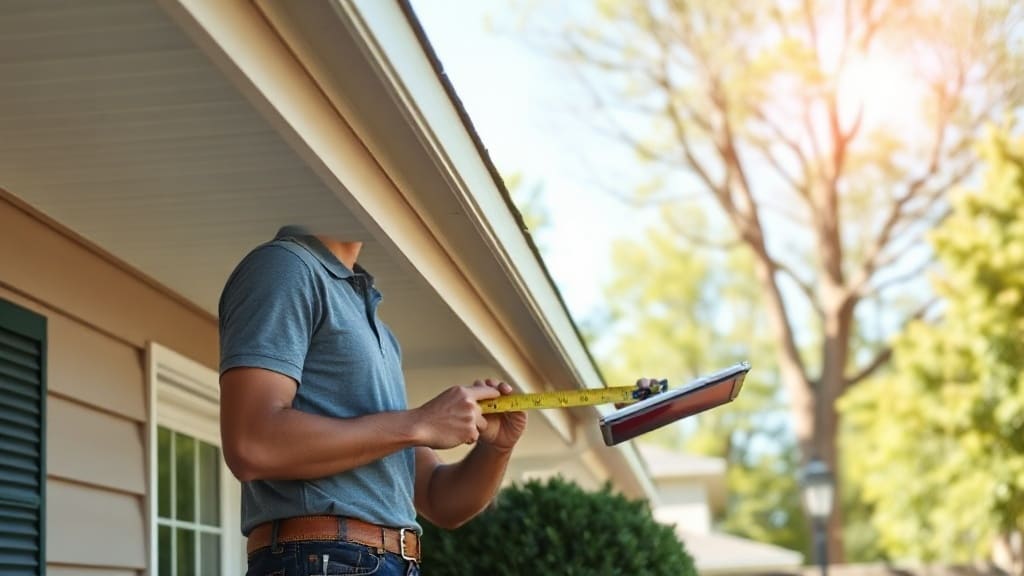
Two homes with identical linear footage can carry very different installation costs because of complexity. Steep roof pitch, multiple stories, and difficult access force crews to use ladders, scaffolding, or roof anchors, all of which add labor hours and fall-protection requirements. Rooflines with many valleys, dormers, hips, and corners create more cuts, transitions, and custom fitting than a clean rectangular roof. The type and pitch of your gutters matters too: half-round gutters and unusual profiles may need specialty guards, while standard k-style gutter runs accept common systems. Tall trees overhanging the roof can also influence which guard is recommended. If your fascia, soffit, or drip-edge has rot or damage, that has to be addressed first, since guards fasten to or near these components. A trustworthy estimator will walk the full perimeter, note these factors, and explain why your quote differs from a neighbor's, rather than applying one flat rate to every house.
Professional Installation vs. DIY: The Real Math
DIY gutter guards look cheaper on paper because you only pay for materials, and big-box screens and snap-in panels are inexpensive per foot. But the honest comparison includes more than product cost. DIY means renting or owning ladders and fall gear, spending a weekend or more on the roofline, and accepting that consumer-grade products rarely match the fit, fastening, and debris rejection of professional systems. Mistakes are costly: a guard installed under the drip-edge incorrectly, or one that lifts shingles, can void a roof warranty or cause water to run behind the fascia. Professional gutter-guard installation bundles measured materials, trained labor, proper fastening, and a workmanship warranty into one price. For single-story homes with simple rooflines and low canopy, DIY can be reasonable. For two- and three-story homes, steep pitches, or heavy tree cover, the labor risk and performance gap usually justify hiring a licensed installer.
How to Read and Compare Quotes Apples-to-Apples
The most common quoting mistake is comparing totals instead of comparing scope. Before you weigh price, normalize each quote to a per-linear-foot basis and confirm every bid covers the same footage. Then check what each one actually includes: Does the price assume your existing gutters are sound, or does it bundle gutter cleaning, gutter repair, or downspout installation? Is the guard a basic screen or a stainless micro-mesh system? Are fasteners, custom cuts around dormers, and haul-away of debris included? Ask about warranty terms in writing, both on the product and the workmanship, and whether the no-clog claim is guaranteed. Confirm the company is licensed and insured, and that the crew, not a subcontractor, does the work. A quote that is dramatically lower than the others usually achieves it by using a cheaper guard, skipping prep work, or excluding repairs you will end up paying for later. Detailed line items, not a single bottom-line number, let you compare fairly.
Financing and the Value Math vs. Recurring Cleaning
The strongest financial case for gutter guards is what they replace: recurring cleaning. Most homes with significant tree cover need their gutters cleared once or twice a year, and each visit carries a service cost plus the risk of overflow damage between cleanings. Over the years you own a home, those repeat charges add up, and a quality guard system reduces or eliminates most of them while protecting against clogs, overflow, ice-dam formation at the eaves, and water intrusion behind the fascia and soffit. To run the math, estimate your annual cleaning spend, multiply by the years you expect to stay, and compare that to the one-time guard investment. Many companies, including ours, offer financing so the project becomes a manageable monthly payment rather than a lump sum. When you factor in avoided water damage, foundation protection from properly draining downspouts, and reduced ladder risk, premium guards often pay for themselves over a typical ownership horizon.
Red-Flag Pricing Tactics to Watch For
High-pressure pricing is the clearest warning sign in this industry. Be skeptical of any rep who offers a steep discount only if you sign today, or whose price drops by thousands the moment you hesitate; a fair number does not need a countdown clock. Watch for vague quotes with no per-foot breakdown, no written warranty, or no mention of how your existing gutter pitch and condition were assessed. Lowball bids that ignore needed gutter repair or seamless gutter installation often become change-order surprises mid-project. Be cautious of door-to-door crews with no verifiable license, insurance, or local reviews, and of lifetime no-clog guarantees that vanish into fine print. Finally, distrust one-size-fits-all pricing that never accounts for roof height, complexity, or guard type. A reputable, licensed installer measures your home, explains the cost drivers, puts everything in writing, and lets the quote stand on its own merits without theatrics.
Gutter guard cost comes down to your home, not a single price tag: linear footage, roof height and pitch, the guard system, and roofline complexity all move the number. Compare quotes on a per-foot basis, confirm each covers the same scope and condition, and weigh the one-time investment against years of recurring cleaning and potential water damage. For a clear, written estimate on professional gutter-guard installation across PA, NJ, MD, DE, and VA, call All Pro Gutter Guards at (833) 487-0469.
Frequently Asked Questions
Are gutter guards priced per foot or as a flat fee?
Reputable installers price gutter guards per linear foot, then adjust for roof height, pitch, and complexity. A flat fee with no footage breakdown makes it impossible to compare quotes fairly. Always ask for the per-foot rate, the total footage measured, and what the price includes, such as cleaning, repairs, or custom fitting around dormers and corners, so you know exactly what you are paying for.
Why is micro-mesh more expensive than other guards?
Micro-mesh costs more because of its materials and installation. A fine stainless steel mesh on a sturdy aluminum frame blocks even small debris like pine needles and shingle grit, which cheaper screens and foam inserts let through. It also requires precise fitting and fastening. You pay more upfront, but you typically get longer life, stronger debris rejection, and a more meaningful no-clog warranty in return.
Do gutter guards really save money over cleaning?
For homes with real tree cover, usually yes. Recurring gutter cleaning once or twice a year carries a repeat cost plus the risk of overflow damage between visits. A quality guard reduces or eliminates most of that. Multiply your annual cleaning spend by the years you plan to stay, then compare it to the one-time guard investment to see your payback period.
Will my roof height change the price a lot?
Yes. Height and pitch are major cost drivers because they dictate labor, time, and fall protection. A single-story ranch with easy ladder access is far cheaper to outfit than a steep three-story home requiring scaffolding or roof anchors. Two quotes with identical footage can differ significantly for this reason, so make sure each estimator actually accounts for your home's access and elevation.
Should I repair my gutters before adding guards?
If your gutters sag, leak, or drain poorly, repair them first. Mounting guards on a failing gutter hides the problem and can trap water behind the fascia. A good installer inspects gutter pitch, fasteners, and the drip-edge before quoting, and may recommend gutter repair, downspout work, or seamless gutter installation. Addressing these issues upfront protects your investment and ensures the guards perform as intended.
Get a free, no-obligation estimate from a local team.
(833) 487-0469