Putting off proper copper gutters on a historic home is not just a style issue. It can snowball into hidden moisture damage, preservation headaches, and higher long‑term costs.
Why gutters that clash with a historic home are more than a cosmetic problem
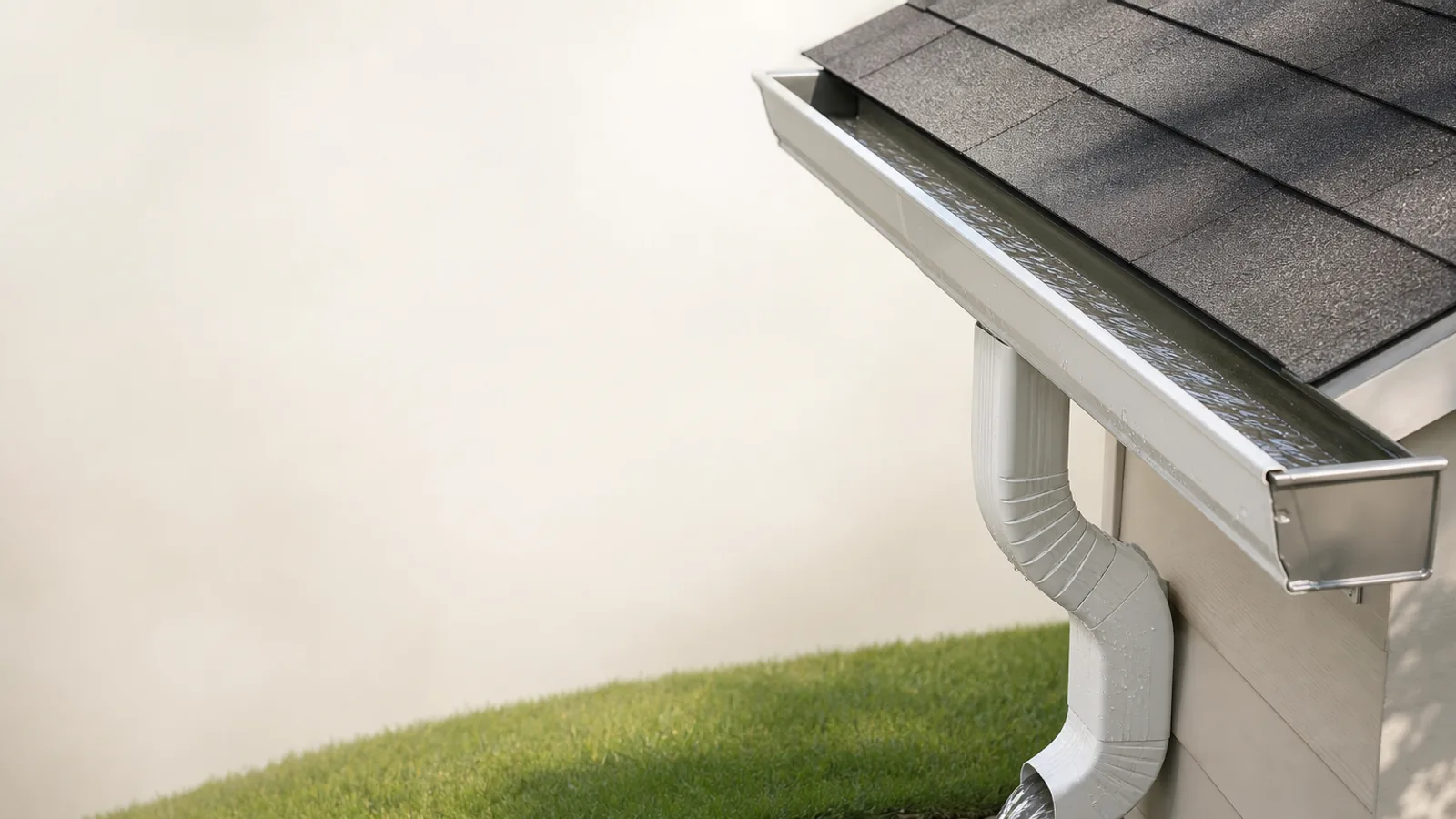
If you live in a historic house, your gutters are not just trim around the roofline. They are part of how the entire structure handles water. Conservation specialists point out that rainwater systems are one of the biggest drivers of decay in older buildings when they fail or are poorly matched to the structure. When a modern aluminum K‑style system is tacked onto a Victorian cornice or an older copper built‑in trough is left to fail, the building itself pays the price.
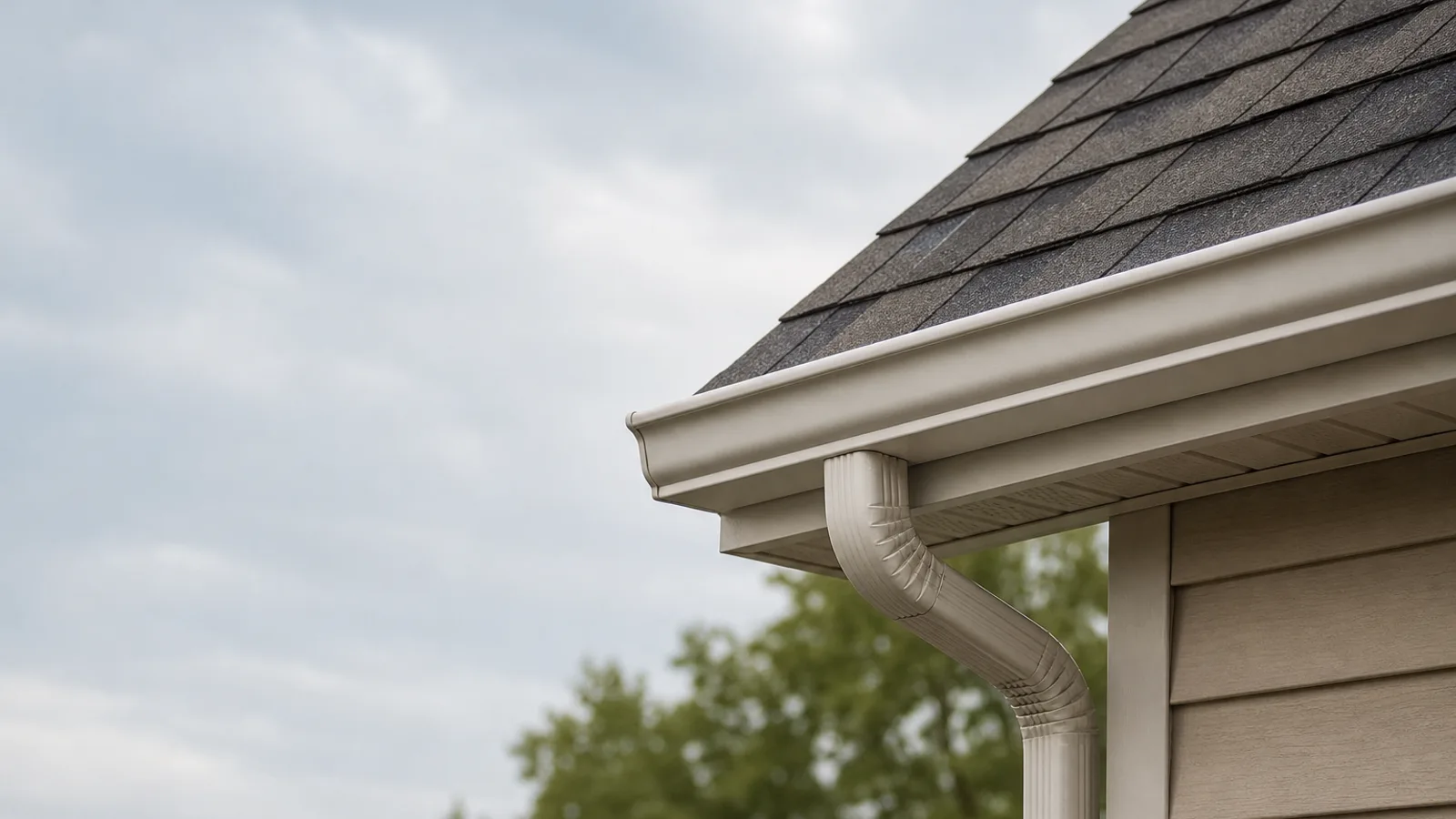
On a historic facade, gutters and downspouts also contribute to the character of the architecture. National preservation guidance notes that changing the size, material, or profile of rainwater goods can noticeably alter how the building reads from the street. That means a gutter choice that clashes with the period details can create friction with local review boards and neighbors, as well as your own sense that something looks off every time you pull into the driveway. The frustration is real, but the bigger issue is what happens when you let that situation drag on while the system quietly stops doing its job.
- Gutters on historic homes help control water, not just finish the roof edge.
- A mismatched profile can change how the architecture looks from the street.
- Modern add‑ons that ignore original details can upset preservation reviewers.
- Leaving clashing, failing gutters in place often masks growing moisture damage.
How long can you safely wait to replace gutters on an older house?
The honest answer is that you can only "wait" as long as the existing system is moving water away from the building without leaks or overflows. Conservation experts emphasize that most serious damage to historic fabric starts with failed gutters, split downspouts, or discharge in the wrong place. Once water begins running behind the system or down the face of the wall, the clock is ticking on wood rot, staining, and foundation problems. A system that only looks out of place but still functions buys you some time to plan, but one that allows visible overflow or staining should be treated as urgent.
For many historic houses, especially those with built‑in or concealed gutters, delay is particularly costly. Research on traditional built‑in gutters shows a wide spread in repair pricing: basic resealing can be relatively modest per linear foot, while rebuilding rotted troughs can cost hundreds of dollars per foot by the time the cornice is opened up. The point is not that you need to memorize these ranges, but that the price curve is steep once moisture reaches the structural wood behind the metal lining. If you are already patching seams repeatedly or seeing peeling paint where the gutter meets the fascia, waiting another season usually does not save money. It just shifts spending from planned replacement into unplanned repair.
Why copper gutters fit historic homes (and how the costs really pencil out)
Copper is a traditional gutter material on many older and higher status homes, and that is one reason local preservation commissions often prefer it when a failing system needs to be replaced. A detailed building guide explains that copper rainwater systems can last several decades, and in some cases even longer, if they are installed correctly and kept free of galvanic corrosion where they meet other metals. Instead of chalking or peeling, copper oxidizes into a patina that many owners of historic homes actually want because it blends into the aged exterior surfaces.
Copper gutters do cost more up front than common aluminum options. Regional pricing for historic districts illustrates this gap clearly. For a typical Victorian with around 150 to 200 linear feet of gutter, premium copper systems have been documented to cost from the mid four figures into the low five figures for gutters alone, and higher once you include matching downspouts, fascia repairs, and hard‑to‑reach areas. That same research explains that the larger investment stretches across a very long service life, often in the range of several decades up to about a century in favorable conditions. When you spread that over the years and compare to aluminum systems that may need to be replaced after roughly a quarter to a third of that time, the yearly cost difference is narrower than the initial sticker shock suggests.
Inspectors and installation guides also stress that copper becomes more expensive if you wait until failure is obvious. As joints fatigue, high velocity runoffs erode the metal, and leaks develop, water can reach fascia boards, decorative trim, and even the foundation. What might have been a straightforward copper gutter installation becomes a package of carpentry repairs plus gutter work. From a buyer's perspective, that is the hidden premium on delay: you are no longer just choosing between copper and another material, you are paying for avoidable damage that the old system caused while you put off the decision.
- Copper weathers into a patina that suits many historic exteriors.
- Preservation boards often accept copper more readily than modern metals.
- Higher upfront costs are offset by longer service life than many alternatives.
- Delaying copper until leaks appear can add carpentry and foundation repairs.
How mismatched or missing gutters quietly damage historic details over time
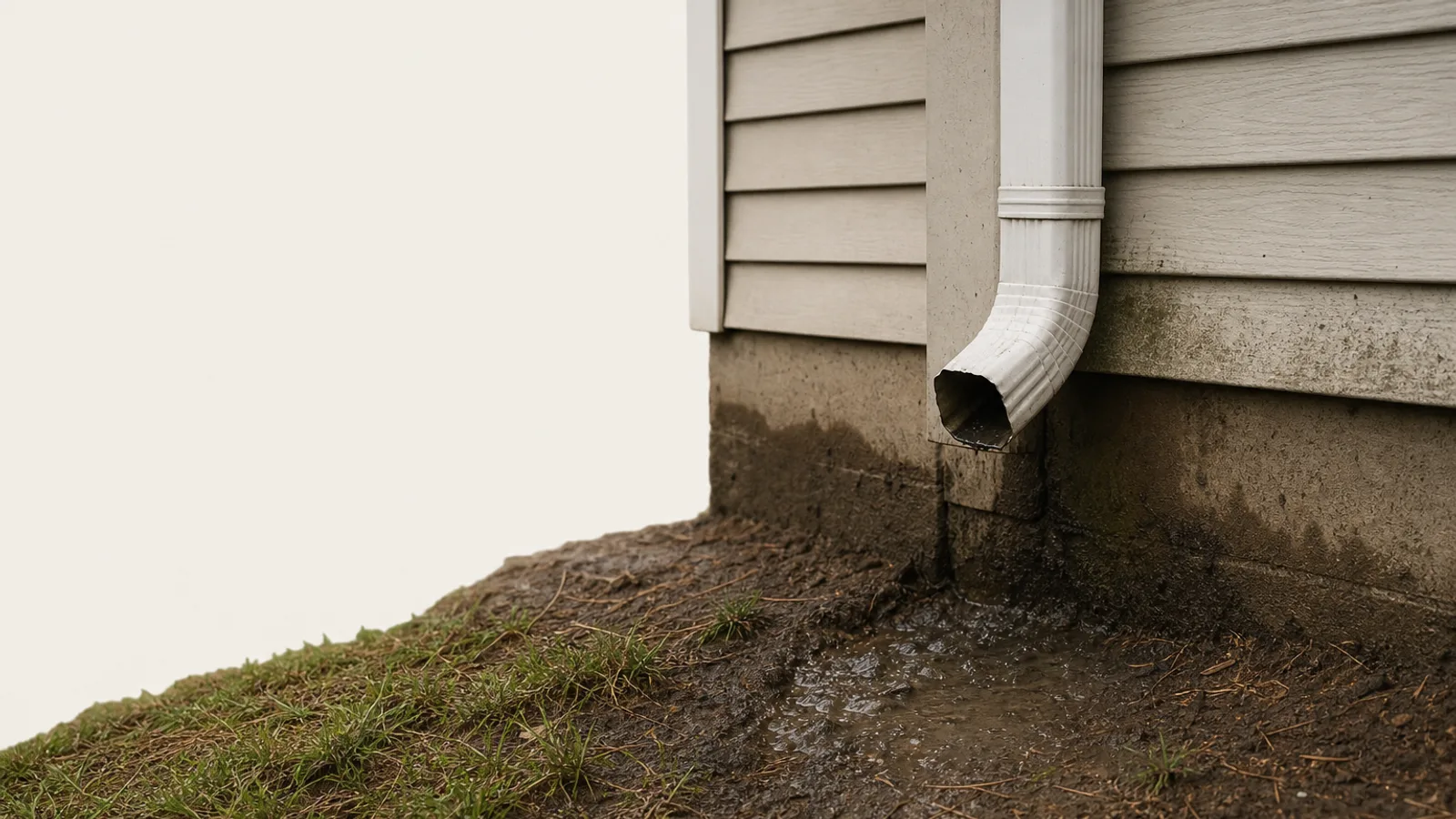
On a historic house, water rarely causes immediate dramatic failures. It works slowly in the background. Technical conservation guidance lists typical failure patterns: undersized or clogged gutters overflow at the back edge, sending water behind the system into the fascia; split downspouts release water onto decorative trim; and outlets that discharge too close to the wall leave damp streaks that eventually work into mortar joints or siding. Older copper can also suffer at predictable points, such as joints that have flexed for decades or spots where fast moving water from a steep roof keeps hitting the same place.
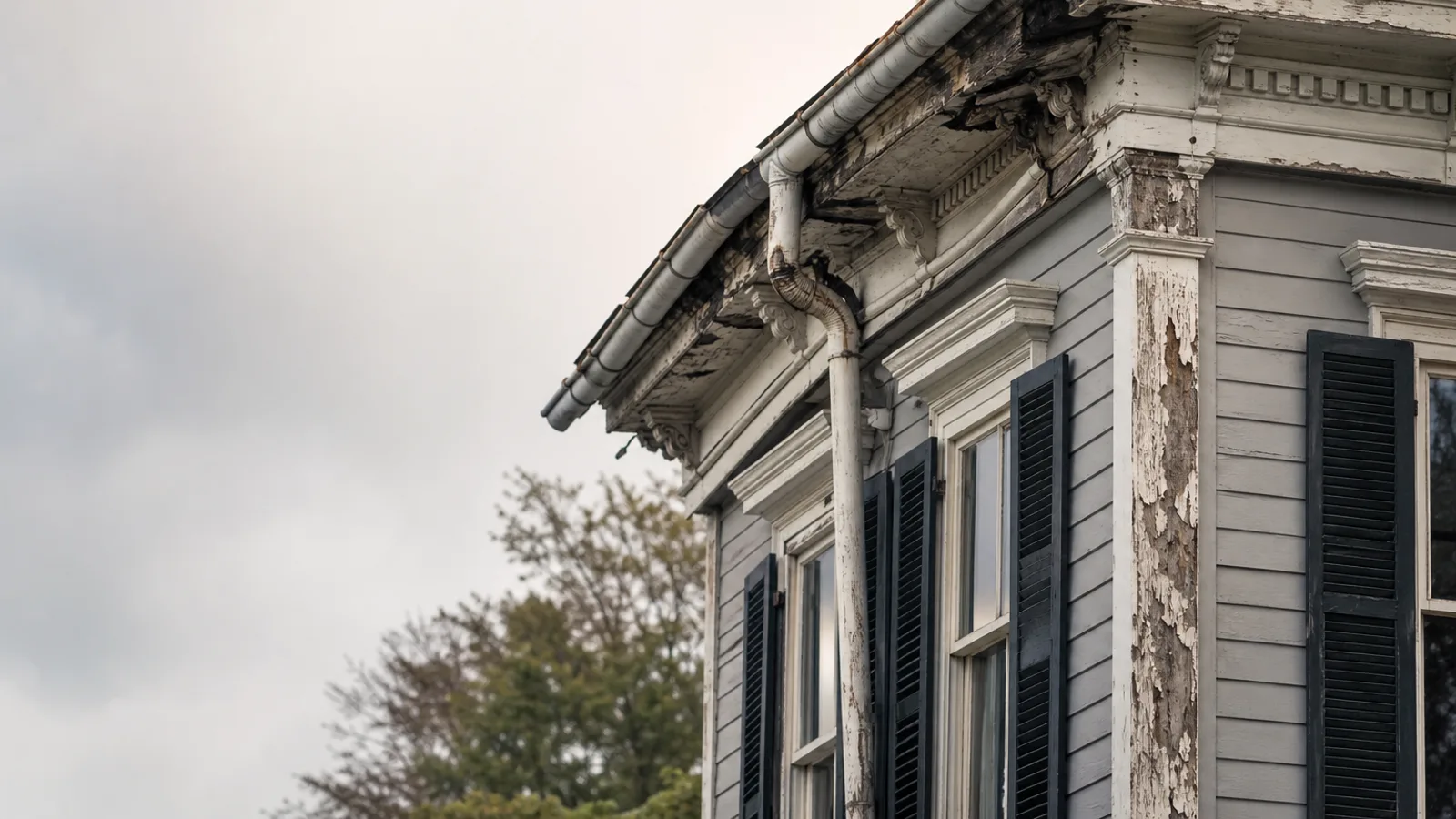
When the gutters also clash visually with the rest of the house, owners sometimes focus on appearance and overlook subtle warning signs. You might get used to seeing a mismatched white K‑style against dark historic trim and miss that the wood behind it is starting to ripple. You might ignore staining on the plaster inside because you assume it is minor, when it actually traces back to a built‑in gutter that has rotted at the trough. Over time, that sort of moisture exposure can hollow out cornices, rust hidden fasteners that hold the roof edge together, and keep basement walls damp. Repairing ornate woodwork after years of leaks is far more invasive than addressing the rainwater system before it reaches that point.
What to weigh before installing copper gutters on your historic home
Choosing copper gutters for a historic property is both a financial and a preservation decision. To make it work for your house, you will want to think about more than just the metal itself. Profile and size matter. National guidance on upgrading rainwater goods notes that even small changes in how large or how shaped gutters and downspouts are can have a noticeable impact on the building's character. Half round copper often mimics the look of older systems more closely than boxy modern shapes, so it can be a good place to start the conversation with your installer if you are trying to respect original lines.
You will also want to factor in local oversight. In many Mid‑Atlantic towns with historic districts or conservation areas, you may need approval to change the exterior appearance of gutters and downspouts. The same preservation advice that warns against delay also acknowledges that upgrades are appropriate when the existing system is failing. Recording what was there, matching the scale and rhythm of original hoppers and downpipes, and choosing a sympathetic material like copper can all help your application go more smoothly. If you have been living with clashing modern gutters because you worry about having to redo work after a review, it may be worth talking with a professional about how a historically sensitive copper gutter installation can be designed to meet both functional and approval needs.
- undefined
- undefined
- undefined
- undefined
- undefined
- undefined
- undefined
- undefined
Frequently asked questions
- What really happens if I leave clashing modern gutters on my historic home?
- If the gutters function well, the main issue is aesthetic and potential conflict with local preservation expectations. Once the system starts to clog, leak, or overflow, guidance on historic buildings shows that water will begin attacking fascia boards, decorative trim, and sometimes foundations, which can make later repairs far more invasive and expensive.
- Why are copper gutters recommended so often for historic houses?
- Copper has been used on older buildings for generations, and inspectors note that it pairs well with historic architecture because it develops a patina rather than peeling. It also offers very long service life, with technical guides describing well installed copper systems that last several decades and can sometimes approach a century, so you are not constantly replacing a visually prominent feature.
- Is it more expensive in the long run to delay copper gutter installation?
- Research on both built‑in and exposed gutters indicates that postponing replacement once a system starts failing usually increases total cost. Light sealing work is relatively modest per foot if caught early, but rebuilding rotted troughs and surrounding cornices can cost several times more per foot, and you still have to pay for a new gutter system on top of those structural repairs.
- How much should I budget for copper gutters on a typical historic home?
- Regional guides for Victorian‑style houses with about 150 to 200 linear feet of roofline show installed copper half‑round gutters in the thousands of dollars, with the range widening when you add matching downspouts, fascia repair, and difficult access. The exact number for your home will depend on details like roof height, number of corners, and how much underlying wood needs work.
- Could the wrong gutter choice cause problems with historic preservation rules?
- Yes, national preservation advice notes that gutters, downpipes, and hoppers are usually part of what gives a historic building its character, so changing their size, shape, or material can be significant. Installing obviously modern, clashing gutters without approval in a conservation area can lead to enforcement action or a requirement to redo the work in a more sympathetic material such as copper.
- How do I know if my existing copper gutters are failing and need more than patching?
- Technical guides point to a few warning signs: fatigue and cracking at joints, sections where fast flowing water has visibly worn the metal thinner, and areas where copper touches dissimilar metals and shows accelerated corrosion. If you see repeated leaks in the same locations or find that patching only lasts a short time, it is often a signal that the system is nearing the end of its reliable life and larger scale work is more economical than ongoing spot fixes.
Talk to All Pro Gutter Guards about copper gutter installation →