Smearing more caulk on a leaky gutter can buy you time, but it eventually fails if the metal, slope, or fascia are already in trouble. Here is how to tell when a quick sealant patch is enough and when real gutter repair will save you money and headaches.
What does it really mean to patch a gutter with sealant?
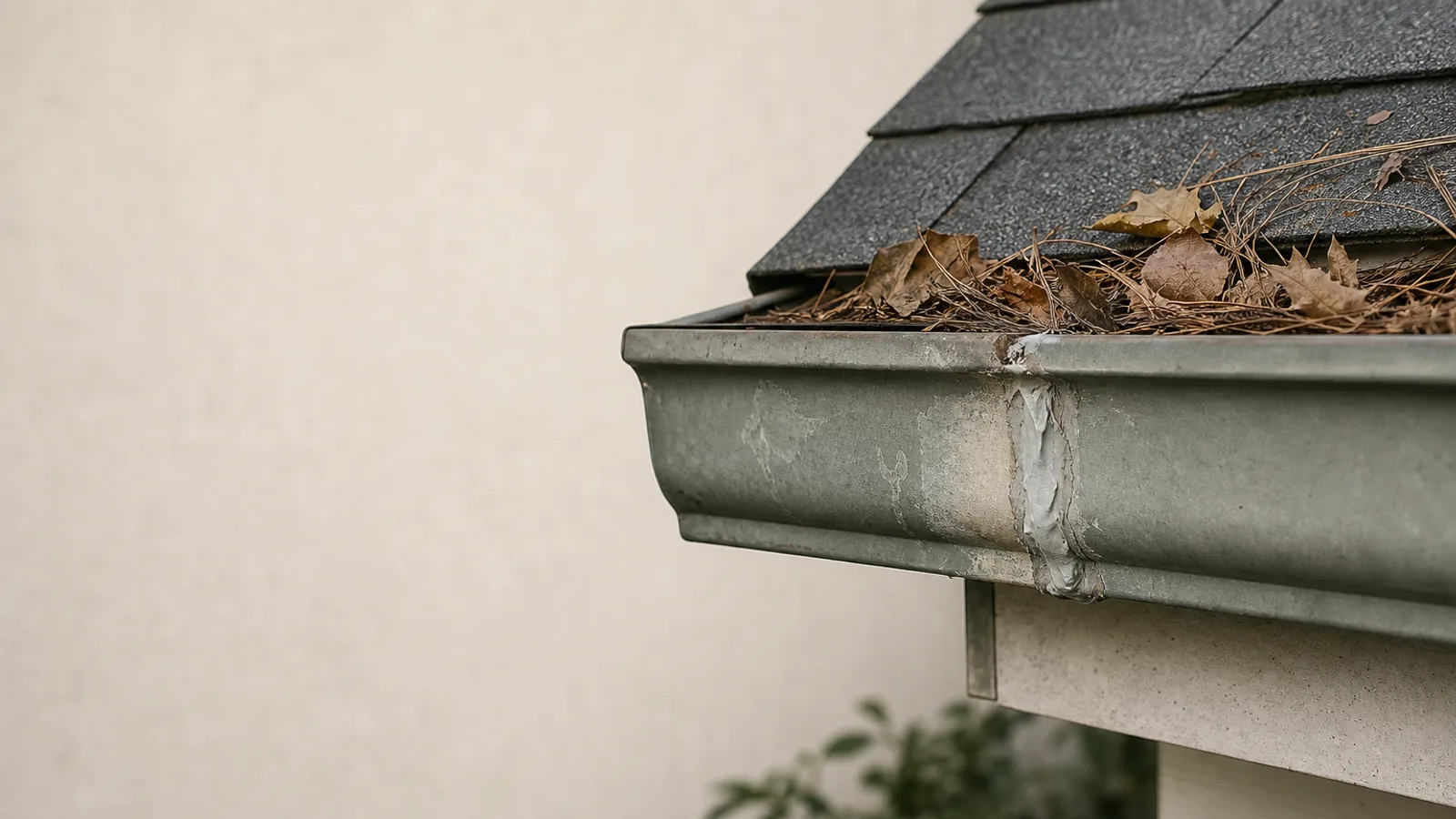
When most homeowners say they "fixed" a leaky gutter, what they usually mean is that they ran a bead of exterior caulk along a drip. Sealant patching is the lightest form of repair. It is typically used on small leaks at seams, end caps, or tiny pinholes where the rest of the gutter is still in good shape. Trade guidance explains that this works only if the metal around the leak is solid, clean, and dry, and the old rotted sealant has been scraped away so the new material can actually stick.
Professionals treat sealant as a tool for very specific problems, not as a cure all. For example, if an aluminum inside corner joint opens up but the surrounding section is not bent or corroded, a tech can clean it with solvent, remove failed compound, and apply a compatible gutter sealant. Standards written for cast iron and other metals emphasize the same basics: thoroughly remove loose material, prepare bare metal, and make sure the joint is not distorted before re sealing. If you skip those steps or if the gutter is moving and flexing because of sagging hangers, even the best sealant is just a temporary bandage.
- Sealant is mainly for joints, seams, and end caps, not long cracks or big holes.
- The area has to be cleaned of dirt, old caulk, and oxidation before resealing.
- Sealant will not bond well to heavily rusted, pitted, or chalky metal surfaces.
- Movement from sagging gutters and loose hangers will break a sealant patch.
Why do sealant patches stop working after a season or two?
If you feel like you are chasing the same leak every year, the problem is usually not the brand of caulk. Sealants sit on the surface and have to deal with sun, temperature swings, and standing water. Trade groups note that these materials can harden, crack, or peel over time, especially if the gutter holds water or flexes with ice loads. On older gutters with chalky oxidation or hidden rust, the bond is weak from day one, so the patch starts to fail as soon as the weather cycles through a few freezes and thaws.
Another reason patches do not last is that they rarely address why the leak started. If the gutter is pitched incorrectly and water pools at a seam, that seam is under constant stress. If hangers are spaced too far apart and the gutter sags, the joint opens and closes every time it fills with water. Articles aimed at both contractors and homeowners warn that sagging, poor slope, and soft fascia often make resealing ineffective. In other words, you can make water tight caulk lines on a moving, misaligned gutter, but the movement and pooling will win eventually.
- UV exposure breaks down many sealants over time and makes them brittle.
- Freeze thaw cycles expand trapped water and can open up sealed joints.
- Standing water in low spots keeps seams wet and shortens sealant life.
- Underlying slope and hanger problems keep flexing the patched area.
When is a simple sealant patch a smart move instead of full gutter repair?
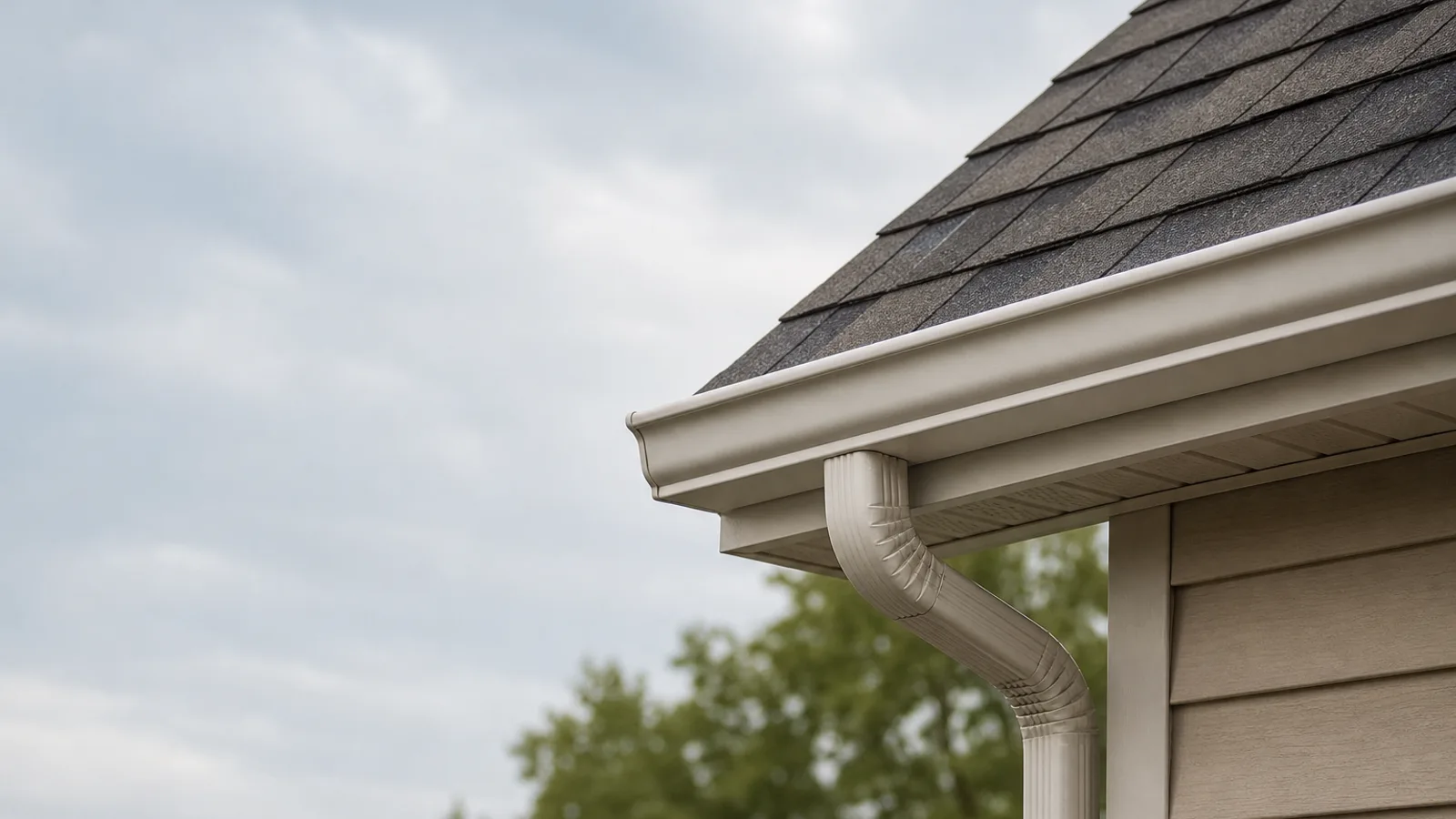
There are times when grabbing a tube of sealant is the right choice. Trade guides say resealing makes sense when the leak is at a single joint or end cap, the surrounding metal is not pitted or corroded, and the gutter still drains properly to the downspout. On a relatively young aluminum system with one or two drips at corners, a proper cleaning and reseal can buy you years of additional service without the cost of new sections. This can be especially helpful if you are dealing with an isolated issue, such as a seam that opened up after a heavy ice load.
Emergency situations are another place where a patch has value. If you discover a leak right before a major storm, a quick bead of sealant or a temporary patch can limit water against the house until conditions are safe for real repair work. Contractor references describe patching as a short term tactic in poor weather or non ideal conditions, with the understanding that you will revisit it later. If your gutters are otherwise solid and within their typical lifespan, a targeted seal at a sound joint is often a reasonable first step before you consider buying new materials.
- Use sealant on a single leaking joint where the metal still looks solid.
- Treat a quick patch as a bridge solution before scheduling full repairs.
- Reserve sealant work for gutters that still drain correctly without pooling.
- Stick with resealing if the system is well within its expected service life.
When does it make more sense to invest in gutter repair or section replacement?
As leaks repeat or spread, the balance shifts away from patching and toward true repair. Industry guidance recommends repairing or replacing sections when the damage extends more than about a foot, involves structural joints, or keeps coming back at the same spot. If you have sealed the same corner multiple times or you see multiple seams weeping along a run, the odds are good that the joint surfaces are compromised or the gutter is out of alignment. At that point, cutting out a bad piece and installing a new section, re hanging a sagging run, or replacing rusted components is usually a better use of your money.
The condition of the fascia and the age of the gutter matter just as much as the size of the leak. Decision guides aimed at homeowners advise that if the wood behind the gutter is soft or rotten, or if more than roughly a third of the run has issues, it is time to think beyond spot repairs. They also note that vinyl systems around 10 to 20 years old and aluminum systems around 20 to 30 years old are nearing the end of their expected life. If your gutters are in that range and you are fighting several problem areas, paying for repeated sealant patches often ends up costing more than having a professional perform targeted gutter repair on the sections that are truly failing.
- Consider repair when the same joint has been resealed more than once.
- Look beyond patches if over a third of a gutter run has visible problems.
- Plan on more than sealant if the fascia behind the gutter feels soft or spongy.
- Factor in the age of vinyl or aluminum gutters when weighing repair costs.
How patching vs gutter repair affects cost, risk, and long term maintenance
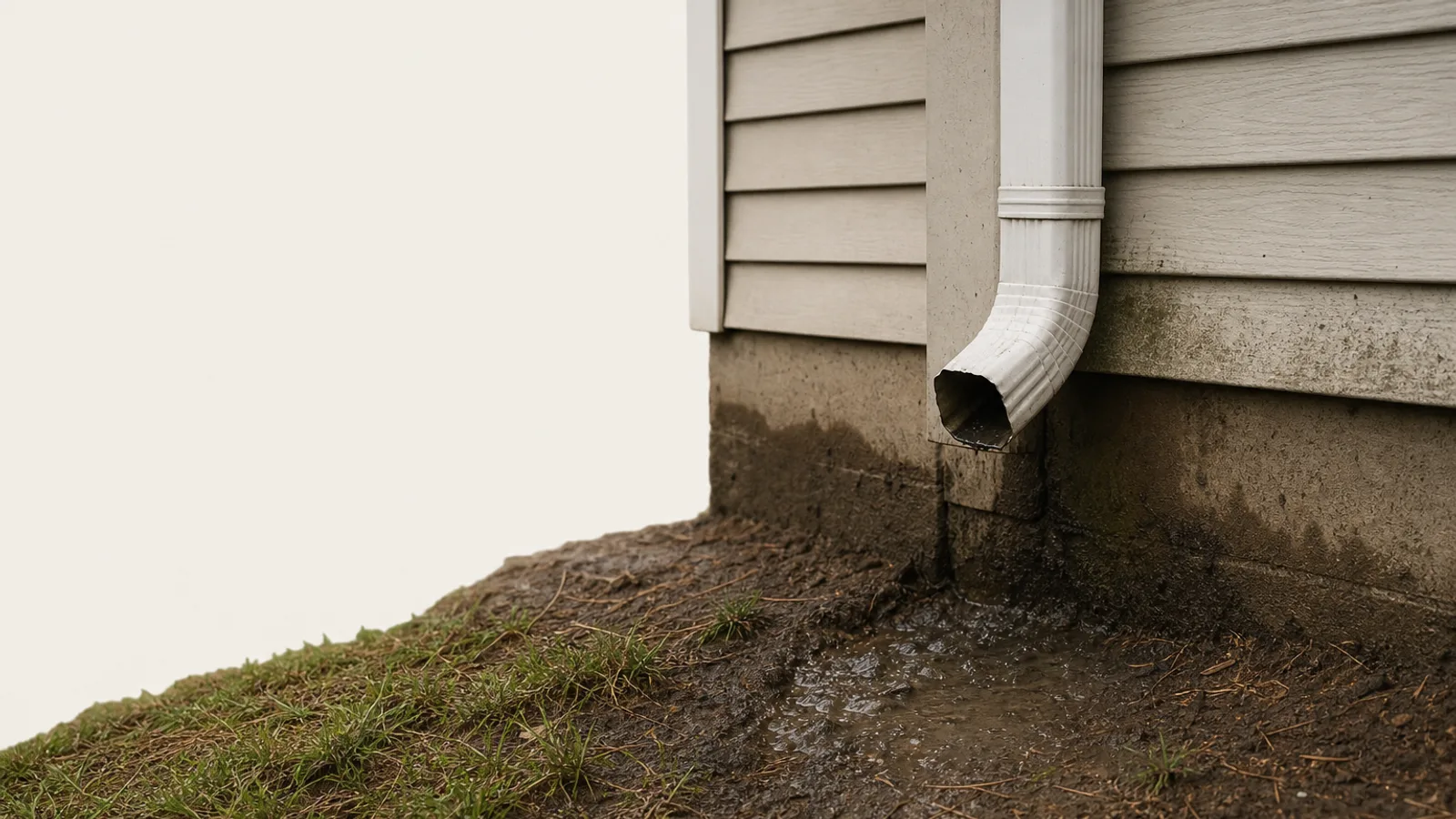
Homeowners often reach for sealant first because it feels cheap and fast. In the short term, a tube of caulk looks less expensive than bringing in a crew to replace a section or re hang a sagging run. However, trade resources that compare repair and replacement point out that costs add up when you have to keep revisiting the same trouble spots. Each time you patch without solving the underlying issue, you risk water finding its way behind the gutter, into fascia, and possibly down into siding or foundation areas. That secondary damage is usually far more costly than getting the gutter system itself fixed correctly.
Long term, proper repair or sectional replacement tends to reduce both risk and maintenance. Re hanging a run to restore the right slope can eliminate standing water that was destroying sealant at a seam. Swapping out a corroded steel or badly pitted section instead of patching it prevents new perforations from forming next to your repair. Guidance for diagnosing gutter leaks emphasizes that once metal is heavily rusted or deformed, replacement is a more reliable choice because patches and sealants have very little to grab onto. By comparing the real condition of your gutters with these benchmarks, you can decide whether it is worth investing in a longer lasting fix now instead of repeating short term patches every year.
- undefined
- undefined
- undefined
- undefined
- undefined
- undefined
- undefined
- undefined
- undefined
Frequently asked questions
- Is it OK to keep patching the same gutter leak with more sealant?
- If the same spot keeps leaking after you reseal it, the joint or surrounding metal is probably compromised. Trade guidance suggests that repeatedly resealing the same area is a warning sign that you need a more substantial repair, like reseating the joint or replacing that section. Continuing to add caulk can trap moisture and hide corrosion. It is usually cheaper in the long run to fix or replace the failing piece properly.
- When is sealant alone enough to fix a leaking gutter?
- Sealant alone is usually enough when you have a single leak at a joint, seam, or end cap and the metal around it is still solid and clean. Industry references say the area must be thoroughly cleaned, dried, and freed of old sealant for the repair to last. The gutter should also drain correctly without standing water at that location. If those conditions are not met, a sealant-only fix will be short lived.
- How do I know if my gutters should be repaired instead of replaced?
- Guides that compare repair and replacement recommend repair when damage is limited to specific spots and the gutters are within their expected lifespan. They suggest looking closely at the fascia, the percentage of the run with problems, and whether the same joints have failed multiple times. If the fascia is solid, less than about a third of a run is affected, and the material is not near the end of its typical life, targeted repair often makes sense.
- What are the signs that my gutter is too damaged for a simple patch?
- Signs that a gutter is beyond simple patching include widespread rust or pitting, long cracks or holes, and sections that sag or pull away from the house. Technical guidance notes that once damage runs more than about a foot or involves structural joints, sectional replacement is usually more reliable. Soft fascia, repeated leaks at the same corner, or visible deformation of the trough are other indicators that patching is no longer the right approach.
- Does the age of my gutters matter when deciding between patching and repair?
- Yes, age is a key factor in choosing between quick patches and more involved repair or replacement. Trade sources give typical service life ranges of around 10 to 20 years for vinyl gutters and 20 to 30 years for aluminum. If your system is within or beyond these windows and has several issues, investing in repeated sealant patches is less attractive. At that point, more durable repairs or planning for new gutters is usually smarter.
- Can a gutter patch fail and cause damage behind the gutter?
- A failed patch can let water run behind the gutter instead of into it, which can damage fascia boards, soffits, and even siding over time. Guides aimed at homeowners stress that underlying issues like bad slope, loose hangers, or rotten fascia often make sealant repairs unreliable. If a patch pulls away or cracks in these conditions, water follows the path of least resistance behind the system. Addressing the structural cause along with the leak reduces this risk.