If you are tired of cleaning gutters, the installer you choose matters as much as the product. Here is how to tell a careful seamless gutter provider from one that cuts corners you will pay for later.
What does a “good” seamless gutter installation actually protect you from?
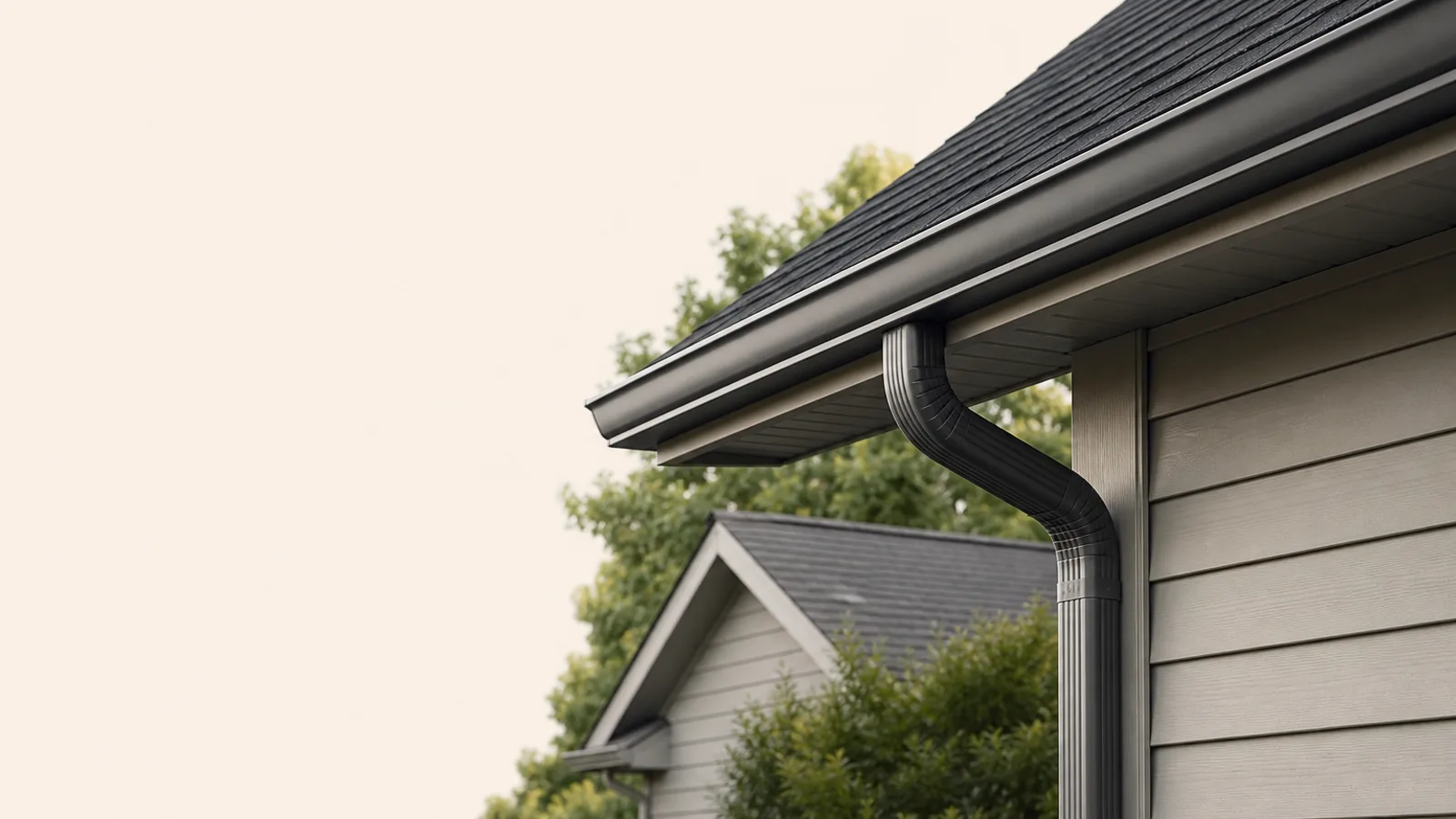
When you are hiring for seamless gutter installation, you are not really buying aluminum troughs. You are buying control over where thousands of gallons of roof water go every year. A good installer treats your gutters as part of the building envelope, tied to soil grading, foundations, and roof edges. A poor one just hangs metal along the fascia and moves on to the next job.
Federal building guidance on gutters and downspouts focuses less on looks and more on keeping water away from the foundation and walls. It recommends gutters and extensions that move runoff at least several feet away from the house and that are sized for the roof area and local rainfall. Reputable installers work backward from that goal. They consider your roof size, valley locations, ground slope, and any existing basement or crawlspace moisture before proposing a layout. If the person quoting your job is only measuring linear feet and not asking about pooling or damp spots, that is an early warning sign.
- Walks the site and asks where water currently pools
- Looks at roof valleys and complex rooflines
- Considers soil grading and foundation exposure
- Talks through how downspouts will discharge runoff
How should a good provider size seamless gutters and downspouts for your home?
You will hear a lot about 5 inch and 6 inch K-style gutters, but size is not a guess. Industry standards tie gutter and downspout dimensions to roof area and expected rainfall intensity. Technical manuals widely used by contractors provide tables that match roof drainage area and storm conditions to appropriate gutter widths and downspout sizes. A good installer either uses those tables or an equivalent method and can explain why they are recommending a particular size for your home.
On the downspout side, government best-practice guides suggest spacing downspouts roughly every few dozen feet along a gutter run so no single outlet is overwhelmed. They also call for extensions or piping that carry water at least about five feet away from the foundation, and more if you are using underground collection. A careful installer might recommend upsizing to 6 inch gutters and larger downspouts on steep roofs, big surfaces, or where heavy storms are common. A shortcut crew simply slaps on the smaller material because it is cheaper and easier to run through a machine, leaving you with overflows at the first serious downpour.
- Measures each roof drainage area, not just the house footprint
- Chooses gutter width based on roof size and rainfall patterns
- Spaces downspouts roughly every 20 to 50 feet of gutter run
- Plans downspout sizes so they can clear heavy storms without overflowing
What fastening and hanger practices separate solid work from gutters that sag or fall?
From the ground, all white aluminum gutters look similar. The real difference is hidden in the hangers and fasteners. Good providers use hidden hanger systems or comparable hardware that locks into the front of the gutter and screws back into solid framing members. Trade standards explicitly state that gutter fasteners should bite into structural framing instead of just trim boards. When hangers are anchored only in thin fascia or decorative trim, the weight of water, leaves, and snow can pull the whole run loose.
Quality standards and contractor guides also stress using enough hangers, spaced closely enough to support the gutter under load. If hangers are too far apart, long sections between them start to bow. That creates low spots where water collects, seams open up at end caps and corners, and the gutter eventually tears away from the house. Better installers can tell you their typical hanger spacing and what type of fastener they use for your fascia material. If an estimator shrugs off such questions or talks about spike and ferrule systems as their default, you are looking at a more old-fashioned and less robust approach.
How should a seamless gutter installer handle slope, expansion joints, and long runs?
Water only moves if there is a path and a slope. Multiple references agree that gutters should be pitched enough that water does not sit still but not so much that it looks crooked or causes water to shoot out at the ends. In practice, this means a modest drop over the length of the run, checked with a level and snapped chalk lines rather than eyeballing from a ladder. A good installer can show you the intended high and low points before they hang anything and is willing to adjust to avoid visible dips.
Thermal expansion is the other unseen issue on long, continuous runs. As metal heats and cools, it grows and shrinks. Manuals and contractor standards spell out maximum lengths of aluminum gutter that can be run without a break or an expansion joint, with thicker material tolerating somewhat longer runs than thinner stock. Past those limits, the metal pushes against corners or hangers and can buckle or deform. Responsible installers break up extra-long stretches with joints or allow for movement at corners, following the guidance for the gauge they use. A shortcut operation runs the longest pieces their machine can make, skips expansion joints entirely, and leaves you to discover the distortions a few seasons later.
- Sets a consistent, modest pitch so water drains but gutters do not look crooked
- Uses a level or laser, not just an eye estimate, to establish slope
- Adds expansion joints or breaks on long straight runs as material requires
- Avoids spans that exceed recommended maximum lengths for the chosen gauge
What should downspout discharge and site drainage look like after a good install?
Downspouts are where most of the damage happens if the design is careless. Federal building resources are very clear that concentrating roof runoff right at the foundation is a problem. They recommend that downspout extensions or lateral piping carry water several feet away from the structure and that any underground pipes be sloped steadily away from the house rather than toward footing drains. The goal is simple: water should not linger near your basement walls or slab.
A good installer thinks about where each downspout will empty and how that water will travel across your yard. They may suggest splash blocks, longer extensions, or underground leaders where patios, walks, or plantings are in the way. They will also avoid tying your gutters directly into foundation drainage systems unless a correctly designed collection system is already in place. Poor installers commonly end a downspout right at the corner, aimed at a small plastic splash block, or dump into a pipe that may back up near your footings. You can walk around a completed job and ask yourself whether each outlet sends water clearly away from the house or creates a new problem spot.
How do metal thickness, material choice, and guard compatibility signal quality?
Not all aluminum seamless gutters are created equal. Municipal rehabilitation standards in some regions specify a minimum metal thickness for aluminum gutters, with heavier gauges available for more demanding conditions. Thicker material resists denting, holds fasteners better, and allows for longer runs before expansion joints are needed. When an installer volunteers the gauge they use and can reference code or manufacturer requirements, you know they are paying attention to longevity instead of only cost per foot.
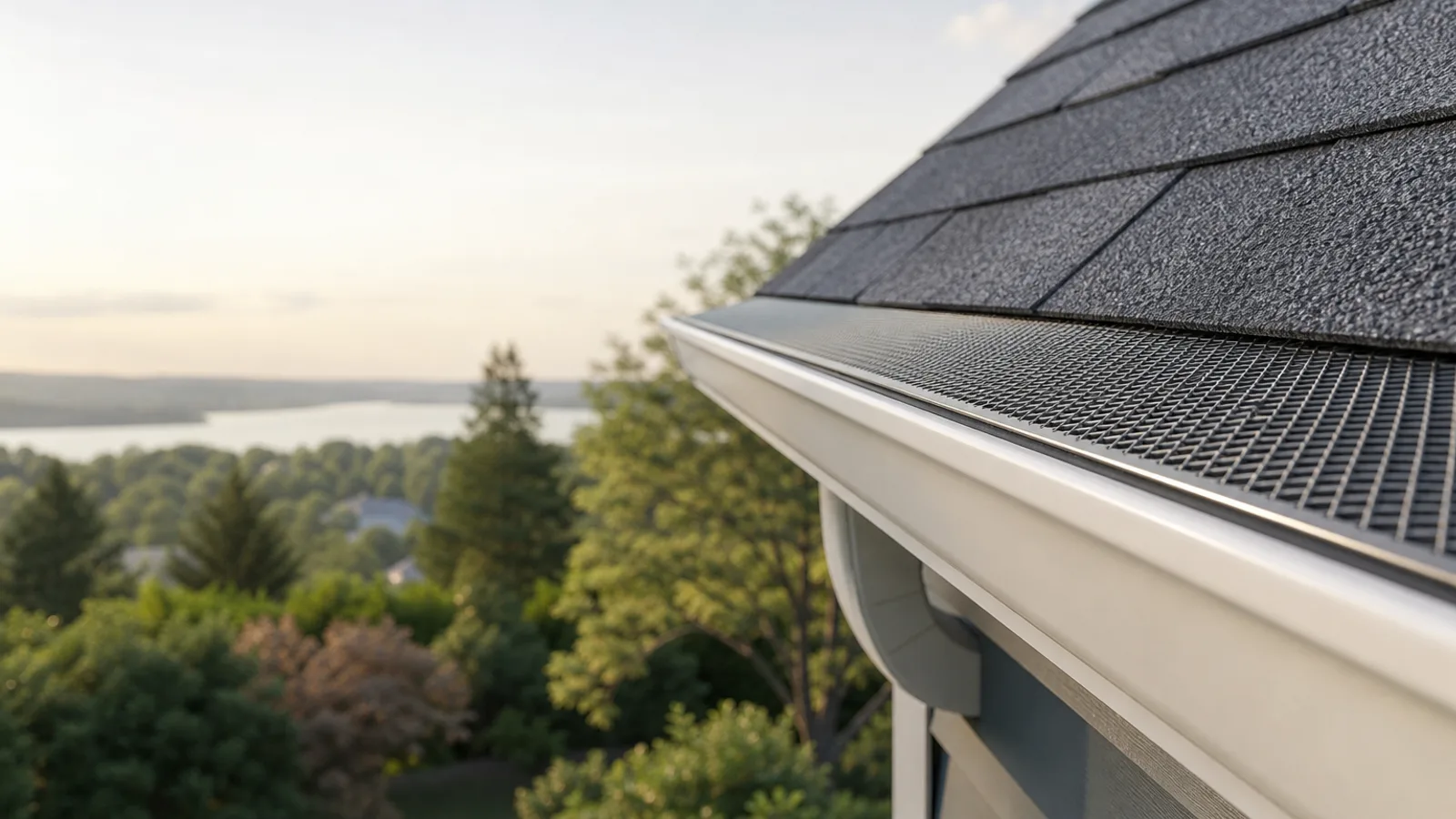
If you are planning to add gutter guards now or later, it also matters how the gutter profile and fastening system will work with those guards. Trade standards for gutters and downspouts emphasize that gutters should integrate properly with the roof drip edge and flashing, with guards or covers tied into that system rather than wedged in as an afterthought. A careful seamless gutter installer will talk through how their recommended profile, hanger system, and spacing will work with products like micro-mesh guards. An installer who dismisses guards entirely or plans to rely on very thin metal may leave you with fewer options and more frequent cleaning down the road.
What paperwork, warranties, and details should a good gutter quote include?
One of the simplest ways to separate careful providers from corner cutters is to look at the quote and scope of work. Responsible installers reference applicable codes, manufacturer instructions, or industry guidelines in how they describe the job. They spell out the gutter size, metal thickness, hanger type, fastener style, downspout size and count, and any planned extensions or underground runs. They also cover color matching, replacement of damaged materials, and coordination with roofing or flashing where the gutter mounts under a drip edge.
Contractor standards highlight that many manufacturer warranties depend on following specific rules, such as spacing for hangers and fasteners, approved sealants, and correct mounting locations. If an installer is vague on those details or dismisses them, you may find that any future warranty claim fails because the original work did not meet the written requirements. When you review proposals, compare how specific each one is about materials and methods instead of just total price. A quote that lists everything in detail, even if it takes a page, usually reflects more planning and accountability than a short note promising new gutters "as needed."
How can you use this checklist when you talk to seamless gutter installers?
You do not need to be an expert in sheet metal to ask the right questions. Start with how the installer will size your gutters and downspouts and what standards they follow. Ask where downspouts will be located, how far from the foundation the outlets will discharge, and whether they see any concerns with your current grading. Listen for answers that reference roof area, rainfall, and foundation protection, not just linear feet and color charts.
Then dig into the details of how they install. Ask what metal thickness they use, how far apart they space hangers, whether they fasten into framing or just fascia, and what they do about long runs that face sun and temperature swings. Finally, have them walk you through the written scope and warranty, including any manufacturer requirements they are following. If you want to understand how our team handles these same decisions, you can review our seamless gutter installation service description and bring these questions to your estimate visit.
- undefined
- undefined
- undefined
- undefined
- undefined
- undefined
- undefined
- undefined
Frequently asked questions
- What should I look for during a seamless gutter installation estimate visit?
- Pay attention to whether the installer measures roof sections and talks about roof area and downspout placement, not just total linear feet. Ask where water currently pools or overflows and see if they propose solutions that move runoff well away from the foundation. A good estimator should mention gutter size, downspout spacing, and slope rather than focusing only on color and price.
- How far should my downspouts drain water away from the house?
- Federal building guidance recommends that downspout extensions or piping carry roof runoff several feet away from the foundation to limit saturation. Many resources set a minimum of about five feet for surface discharge, with longer distances needed when using underground piping to a collection point. The key is that water should not pool or soak in right next to your basement walls or slab.
- Are 5 inch gutters enough, or do I need 6 inch seamless gutters?
- Whether 5 inch gutters are sufficient depends on your roof size, slope, and typical storm intensity. Industry manuals use tables that combine those factors to pick gutter and downspout sizes so that heavy rain does not overwhelm the system. On larger roofs or in areas with intense downpours, many installers will recommend 6 inch gutters and larger downspouts to reduce the risk of overflow.
- How can I tell from the ground if my gutters are pitched correctly?
- From the yard, properly pitched gutters look nearly level, with no obvious dips or standing water visible after a storm. If you see water sitting in the middle of a run long after rain stops or a noticeable sag between hangers, the slope may be too flat or the supports too far apart. A good installer checks pitch with a level during installation instead of relying only on appearance.
- Why does gutter metal thickness matter for a seamless system?
- Thicker aluminum or steel holds its shape better, resists denting, and allows longer runs before thermal expansion becomes a problem. Some municipal specifications set minimum aluminum thicknesses for residential gutters to avoid flimsy installations that buckle or sag. When you compare proposals, looking at the stated gauge helps you understand why one bid might cost more but last longer.
- Should my gutters connect to my existing footing drains or sump system?
- Best-practice guides warn against directly tying roof gutters into foundation drainage unless the system is specifically designed to handle that extra water and keep it away from the footings. Connecting roof runoff to footing drains can overload them and keep the soil around your foundation saturated. Most homes are better served by directing downspout discharge across the surface or through separate underground lines that daylight away from the house.
- How often should hidden hangers be spaced along seamless gutters?
- Exact spacing depends on the gutter material, thickness, climate, and manufacturer instructions, but trade standards consistently emphasize using enough hangers so the gutter will not sag under water, debris, or snow loads. Many contractors place hangers every couple of feet and add extras at corners and downspouts. When you review quotes, ask each installer to specify their typical hanger spacing and compare how precise their answer is.
Talk to All Pro Gutter Guards about seamless gutter installation →