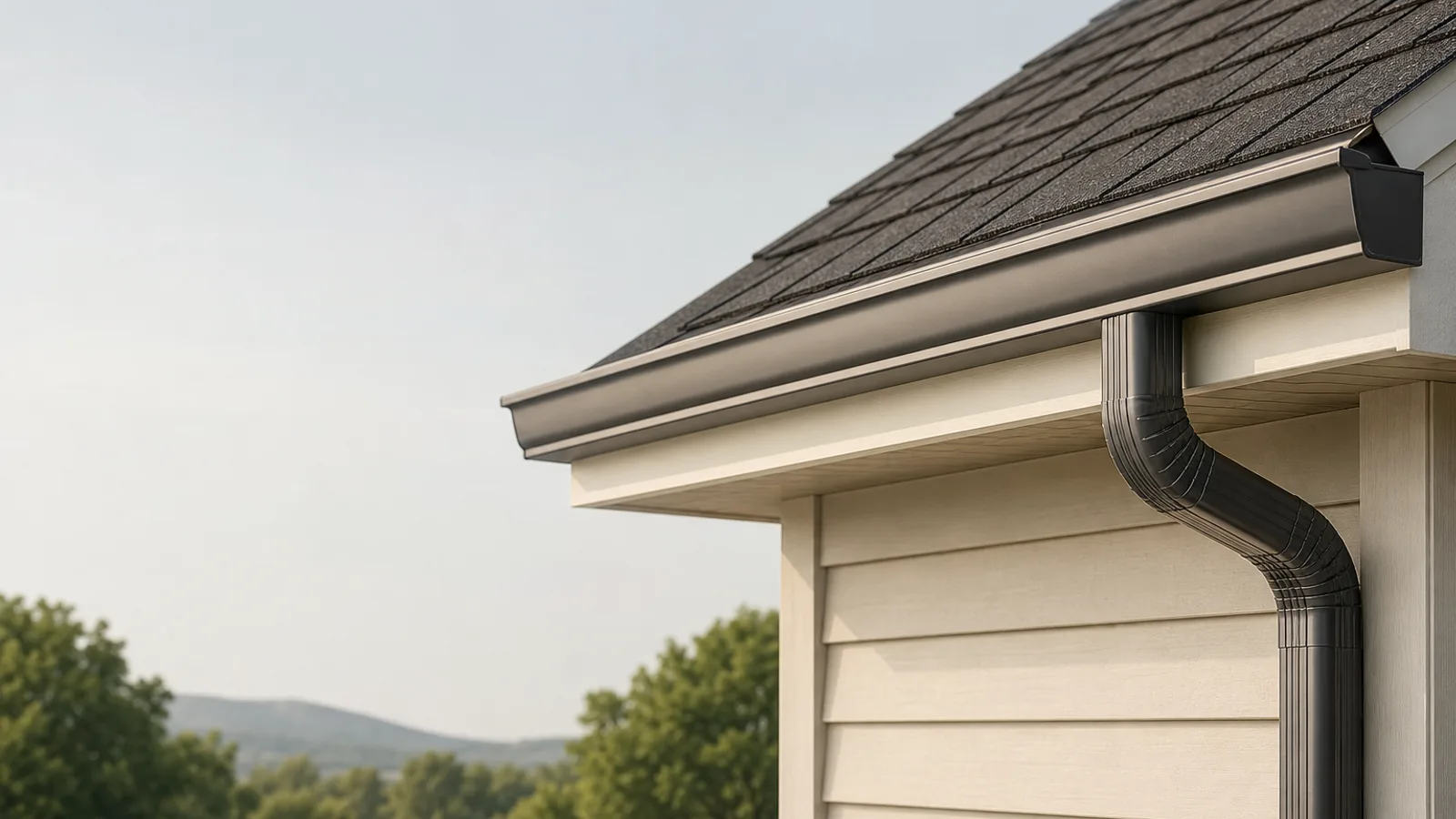
Your first gutter repair appointment does not have to be a mystery. Knowing what the technician will look at, how long it takes, and what you should prepare for helps you protect your home and avoid surprise costs.
What actually happens during a first gutter repair appointment?
When you schedule gutter repair for the first time, you are not just paying for someone to smear sealant on a leak. A good first visit is closer to a short home inspection focused on how water moves off your roof and away from your foundation. Most technicians begin with a walk around your home, looking at the full run of gutters, downspouts, roof edges, and ground slope. They are trying to see how rain is supposed to leave your house and where it is getting stuck or spilling over. Expect them to look beyond the obvious drip above your front step to find underlying issues like sagging sections, loose fasteners, or overloaded downspouts.
During this walkthrough, many contractors take photos of problem spots so they can show you exactly what they see from the ladder. They will usually check for signs of standing water inside the gutter, stained siding, soil erosion below the eaves, and staining or rot at fascia boards. The research from federal building guidance stresses that gutters and downspouts should move water consistently away from the building, so the technician is verifying that the system, as a whole, is capable of doing that. Once they have a picture of your current setup, they can talk through whether you need simple repairs, more extensive rebuilding of sections, or changes to how water is discharged away from your home.
- Walk-around inspection of every side of the house
- Visual check of gutters, downspouts, and roof edges
- Photos of problem areas from the ladder
- Initial notes on sagging, leaks, and clogs
How should you prepare your home for that first visit?
You can make your first gutter repair appointment faster, safer, and more accurate with a bit of preparation. One of the most helpful steps is clearing access to the areas where ladders will go. Move vehicles away from the house, trim back any temporary obstructions like movable planters or trash cans, and unlock side gates so the technician is not wrestling with access while carrying equipment. If you have pets, especially dogs that use the yard, decide ahead of time whether you will keep them indoors or in a separate fenced area so the crew can focus on their work without worrying about escapes.
It also helps to gather your own observations before anyone shows up. Make notes about where you have seen water spilling over, any interior leaks that seem related to heavy rain, icy patches near walkways, or soil washing out around the foundation. If you have older or architecturally unique gutters, like built-in wood-lined troughs or decorative profiles, taking a few photos beforehand or finding any old construction drawings can help preserve those details. Municipal maintenance guides encourage owners of distinctive homes to document how existing systems are built before repairs so the look of the house is not lost when damaged sections are replaced.
- Move cars away from the house and driveway edges
- Unlock side gates and clear paths around the exterior
- Secure pets indoors or in a separate fenced area
- Write down any leaks, overflows, or icy spots you have noticed
What parts of your gutter system will the technician inspect first?
Although every house is different, the inspection usually follows a predictable pattern. The obvious starting point is the gutters themselves: the technician looks for sagging sections, separated seams, rust, impact damage from branches, and clogged runs. They will often sight down the length of the gutter to judge whether it slopes consistently toward the downspouts or if low spots are collecting water. Federal and state building resources explain that gutters should have a steady slope so water does not pool, and some codes even specify a minimum amount of slope per horizontal run. When the pitch is off, water can back up and spill over the rear edge toward your fascia and roof deck.
Downspouts and drainage are the next critical pieces. An experienced repair person checks how many downspouts you have, how far apart they are, and whether they are sized appropriately for the roof area and local rainfall. County guidance notes that there are recommended spacing ranges between downspouts and specific rules for how they are assembled with elbows to turn corners. The inspection also covers where the downspouts discharge: building science resources advise that outlets should carry water several feet away from the foundation unless they feed a buried drainage system. So the technician will look for short or missing extensions, splash blocks that are misaligned, and ground that slopes back toward the house. All of these details help them design a repair that addresses water from roof to soil, not just the metal attached to your fascia.
- Condition and alignment of gutter runs along the roof
- Number, size, and placement of downspouts
- Location and length of downspout outlets and extensions
- Ground slope and signs of erosion near the foundation
What repair options and costs are typically discussed during the visit?
Once the inspection is complete, the technician will outline what they found and suggest different repair paths. For many homes, options might range from resealing a few leaking joints and tightening hangers to replacing longer problem sections that have improper slope, rust, or repeated separation. Code documents emphasize that joints need to be watertight and that gutters should drain fully without standing water. If your gutters fail those basic tests, a patch that ignores the underlying pitch or fastening problem will not last long. The technician should describe which fixes are stopgaps and which are more durable solutions, and how each relates to current standards for drainage away from your home.
Cost is usually driven by the length and type of gutter sections that need work, ease of access, and how much downspout or ground drainage needs to be changed. Because the research sources focus on performance requirements rather than prices, it is important for you to ask the technician to break the estimate into line items instead of giving one lump sum. That way you can see, for example, the difference between resealing a leaky corner versus adding a new downspout to reduce overload on one side of the house. In the Mid-Atlantic, factors like roof height, landscaping, and whether existing gutters meet current code-like practices for slope and discharge can all change your final number.
- Simple resealing and tightening of existing gutter sections
- Partial replacement of damaged or poorly sloped runs
- Adjusting or adding downspouts to improve flow
- Extending outlets to carry water farther from the foundation
How long will the first gutter repair appointment take and what should you expect afterward?
Homeowners often want to know how much of their day to set aside for a first visit. The research does not specify a fixed timeline, and in practice the duration depends largely on the size and complexity of your home. A modest single-story house with straightforward access may require only a short inspection, while a taller or more complex roofline can take longer because of ladder moves and safety precautions. Plan on being available to walk the property at the start so you can share your observations, and again at the end to review photos and the proposed repair plan.
After the appointment, you should receive more than a business card and a verbal quote. Good practice is for the contractor to provide a written description of the issues they found, the recommended repairs, and how those relate to basic performance benchmarks like consistent gutter slope and water discharge away from the foundation. Some also note any items that are functioning but do not meet the latest guidance, such as short downspout extensions that stop too close to the house. This documentation matters if you are comparing providers or budgeting work in phases. It gives you a reference for future inspections and a checklist for what to re-check after heavy storms or once repairs are complete. If you decide that now is the right time to schedule gutter repair, this first-visit file becomes your roadmap.
- undefined
- undefined
- undefined
- undefined
- undefined
- undefined
- undefined
- undefined
Frequently asked questions
- What should I do to get my house ready for a gutter repair appointment?
- Make it easy and safe for the technician to access all sides of your home. Move cars away from the walls, clear movable obstacles like planters and trash cans, unlock any gates, and decide how you will contain pets. Having a short list of problem areas you have seen in past storms will also help focus the inspection.
- Will the technician only look at the gutter leak I called about?
- A thorough first visit should cover your entire gutter and downspout system, not just the one obvious leak. Expect the technician to check all runs, corners, and downspouts, and to look at how water leaves the roof and travels away from your foundation. This whole-system view prevents them from fixing one spot while missing a bigger underlying issue.
- How do pros check if my gutters have the right slope?
- Many technicians use a combination of visual checks, levels, and water tests to judge slope. Building codes and guidance documents explain that gutters should slope consistently toward outlets and that even a modest pitch is enough to keep water moving. If they see standing water in sections or backflow toward the fascia, that is a sign the slope or fastening needs to be corrected.
- Why is the distance my downspouts discharge from the house such a big deal?
- If water leaves a downspout too close to your foundation, it can soak the soil, increase the risk of basement moisture, and cause erosion. Building science resources recommend carrying runoff several feet away, often at least around 5 feet, unless it connects to a buried system designed to handle it. During your first visit, the technician will look at how far your outlets extend and whether the ground slopes away or back toward the house.
- Will I get a written estimate after the first gutter repair visit?
- You should expect a written estimate that explains what is wrong, which repairs are recommended, and what each part costs. That document should also indicate whether any conditions relate to basic performance guidance, such as ensuring consistent gutter slope and downspout spacing. Having this in writing lets you compare options and budget work rather than relying on a quick verbal quote.
- How long does a first gutter repair inspection usually take?
- The research does not give a fixed time because every house is different, but the size and height of your home and the complexity of your roofline are the main drivers. A smaller, single-story house is generally quicker to inspect than a tall or heavily landscaped property that requires many ladder moves. Plan to be available for at least a brief conversation at the start and end so you understand the findings and next steps.