You can buy gutter materials at a big-box store, but seamless gutters are a different animal from sectional systems. Here is what actually changes in cost, risk, and results when you DIY seamless installation versus bringing in a crew in PA, NJ, MD, DE, or VA.
What actually makes seamless gutter installation harder than it looks?
If you have cleaned gutters for years, it is tempting to think installing new ones is just snapping pieces together. Seamless systems are different. Instead of short sections you can adjust on the fly, you are dealing with long, continuous runs of metal that have to be measured, formed, and fastened so water flows correctly the first time. Even though the name says seamless, you still have joints where runs meet corners, where downspouts connect, and where two long sections must join. Each of those points can leak if they are not cut and sealed with care.
Guides for homeowners point out that seamless gutters are more challenging to install than sectional gutters, especially around corners or overhangs. Common DIY mistakes include getting the slope wrong so water stands in the trough, placing the gutter too high or too low relative to the drip edge, and using the wrong size downspouts for the roof area. Misjudging any of these details can leave you with overflowing gutters in the first heavy storm. When you compare DIY to hiring a crew, you are really comparing how confident you are in handling long metal runs, ladders, sealants, and layout math, not just in your willingness to do a weekend project.
- Long gutter runs are awkward and heavy to handle without help.
- Corners, downspout outlets, and joints still need airtight sealing.
- Incorrect slope can cause standing water or overflow at the low end.
- Wrong sizing of gutters or downspouts can overwhelm the system.
How do DIY and professional seamless gutter costs compare in PA, NJ, and DE?
When you look at costs, you first have to separate materials from labor. Regional cost guides for Pennsylvania, New Jersey, and Delaware show that professionally installed seamless aluminum gutters typically fall in the range of about 8 to 13 dollars per linear foot. That figure already includes material and labor, and it rises toward the high end for taller homes and more complex rooflines. When you run the math on a full house, that per-foot number adds up quickly, which is why many homeowners start by asking if they can save a big chunk by doing the work themselves.
Examples from Pennsylvania put real numbers to it. A smaller single-story ranch with roughly 140 feet of seamless gutter and four downspouts may cost somewhere around 1,400 to 2,200 dollars with professional installation, while a two-story colonial with about 220 feet and more architectural details can land in the 2,400 to 3,600 dollar range. Broader regional data for small homes in the 100 to 150 foot range shows totals often between 1,000 and 2,000 dollars or more, with large homes reaching 3,000 to 6,500 dollars or higher. If you DIY, you might avoid a portion of that labor cost, but you will still pay for coil or pre-formed sections, hangers, fasteners, sealant, disposal of old gutters, and possibly tool rental. Any material you miscut or damage on the ground becomes wasted money.
- Per-foot pricing includes both materials and labor for pros.
- Longer rooflines and more stories raise the total cost quickly.
- DIY saves labor but not material, disposal, or tool expenses.
- Mistakes in cutting or measuring directly waste purchased material.
What hidden risks do DIY seamless gutters carry compared with a crew?
The most obvious DIY risk is falling from a ladder, but there are others that show up later in the form of leaks and rot. Seamless systems demand a consistent, gentle slope toward downspouts, which typically requires careful measuring and a second person to sight the run as you fasten it. Home installation resources stress that trying to install long runs solo is unsafe and often leads to sagging sections that hold water. Long-term ponding in the gutter can cause corrosion, ice buildup in winter, and eventual overflow onto siding and foundations.
Another risk is improper sealing and fastening at the joints you cannot avoid, like end caps, miters at corners, and outlet fittings for downspouts. If a bead of sealant is too thin or gaps are not fully closed, you may not notice the problem until water stains appear on fascia or you see soil washing out below a leak point. Professionals also tend to account for fascia condition before hanging gutters. If the wood behind your old gutters is soft, hanging a new system directly over it can pull fasteners loose. A crew is more likely to spot and repair marginal boards as part of the job. When you weigh DIY against hiring, you are deciding how much risk you are willing to take with ladder work, water management, and hidden structural issues.
- Ladder falls are more likely when handling long, flexible gutter runs.
- Poor slope leads to standing water, ice, and faster gutter wear.
- Weak or rotten fascia can cause the system to pull away over time.
- Small sealing mistakes can turn into foundation or siding damage.
How do regulations and insurance change the decision in Pennsylvania and nearby states?
If you install your own gutters on a home you occupy, you generally are not acting as a contractor, so registration laws are not aimed at you. The rules matter more when you bring in help. In Pennsylvania, any business that does more than a modest amount of home improvement work per year, including gutter installation, must register with the state attorney general and carry minimum liability insurance for personal injury and property damage. Registered firms are required to use written contracts that spell out scope, price, and timing. This gives you a paper trail and helps if a dispute arises.
New Jersey, Delaware, Maryland, and Virginia handle contractor registration and licensing differently, but the basic tradeoff for you is similar. When you hire a properly registered and insured contractor, you are shifting some of the risk of property damage or injury away from yourself and your homeowners policy. If a worker is hurt on your property or a ladder damages windows or siding, their coverage is meant to respond. If you DIY, you are relying on your own safety habits and whatever coverage your personal policy extends to accidental damage you cause during maintenance. It is worth checking with your insurer if you plan a major ladder-based project.
When does it make sense to DIY seamless gutters and when should you hire?
Choosing between DIY and hiring is not all or nothing. The size and shape of your home, your tools, and your comfort with heights should all drive the decision. Cost guides show that small, single-story homes in this region may see professional seamless gutter bills in the lower end of the 1,000 to 2,000 dollar range. If that number is manageable and you are not eager to spend weekends on ladders, hiring often looks attractive. For taller homes or long rooflines where costs climb into several thousand dollars, some owners consider doing part of the work themselves to cut the final bill, such as demolition of old gutters or simple downspout swaps.
From a safety and quality perspective, DIY is more realistic if your home is single-story, the ground is fairly level, your roofline has few corners, and you already own stable ladders and basic metalworking tools. It is less realistic if you have multiple stories, steep grades around the house, or architectural details that create lots of short runs and corners. Seamless runs often require specialized forming machines that most homeowners do not own. That is one reason many people decide to hire professionals for the full package of measuring, forming, and installing new gutters, then consider adding guards or other accessories later. If you do decide hiring is right for you, this is where a dedicated seamless gutter installation service in your region fits in.
- undefined
- undefined
- undefined
- undefined
- undefined
- undefined
- undefined
- undefined
Frequently asked questions
- Is it cheaper to install seamless gutters yourself or hire a professional?
- You may avoid some labor cost by installing gutters yourself, but you still pay for materials and tools, and you take on any cost of mistakes. Regional guides show that professional seamless aluminum installation in Pennsylvania, New Jersey, and Delaware typically runs about 8 to 13 dollars per linear foot, which bundles material and labor. When you factor in tool rental, wasted material, and your time, DIY savings can be smaller than they appear.
- How much does seamless gutter installation cost in Pennsylvania on average?
- For a typical Pennsylvania home with around 200 linear feet of seamless aluminum gutters, regional estimates place the total cost roughly between 1,200 and 4,000 dollars, depending on height, roof complexity, and downspout count. A single-story ranch with about 140 feet may fall around 1,400 to 2,200 dollars, while a larger two-story home with about 220 feet can land closer to 2,400 to 3,600 dollars. Premium metals like copper cost substantially more.
- Are seamless gutters really better than sectional gutters for DIY projects?
- Seamless gutters reduce the number of joints along each run, which can mean fewer leak points over time, but this benefit comes with more demanding installation. Homeowner guides consistently note that seamless systems are harder to install than sectional systems because long runs, corners, and outlets must be cut and formed precisely. For a DIYer, sectional gutters are usually more forgiving, while seamless gutters are often better handled by a crew with the right forming equipment.
- What tools do I need to install seamless gutters myself safely?
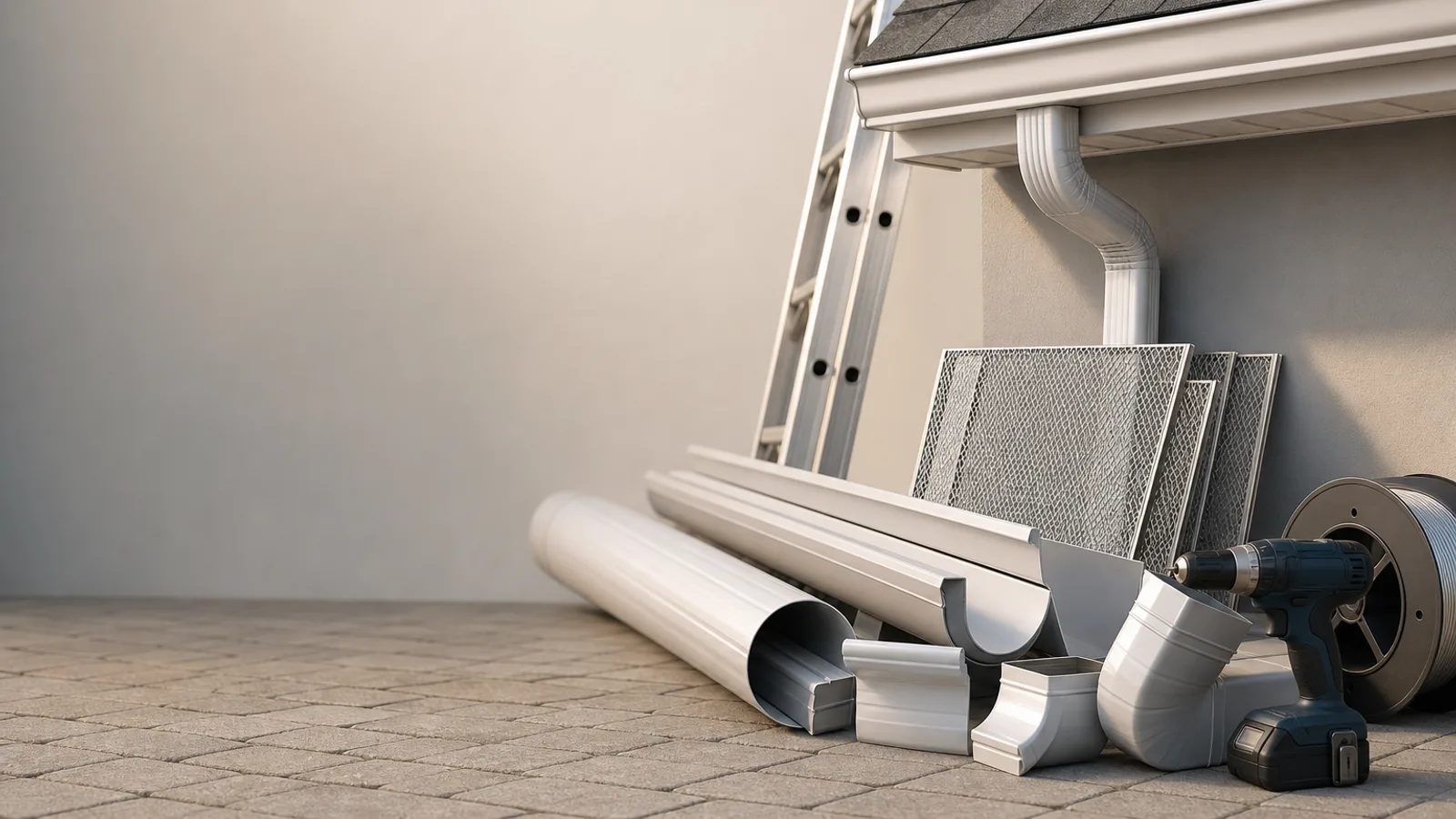
- At a minimum you will need stable extension ladders, a way to safely handle long metal runs, metal-cutting tools, sealant compatible with your gutter material, fasteners and hangers, and basic measuring and layout tools. Safety guides emphasize working with at least one helper to stabilize ladders and supports while you fasten gutters. If you do not already own this gear, tool purchase or rental should be part of your cost comparison with professional installation.
- Do I need a licensed contractor to install gutters in Pennsylvania?
- In Pennsylvania, most construction trades are not licensed at the state level, but contractors who perform more than a modest volume of home improvement work each year must register under the Home Improvement Consumer Protection Act. Registration requires liability insurance and written contracts for jobs. Municipalities can also have their own rules, so if you hire someone, it is wise to confirm their registration number and insurance, even though you as a homeowner are not required to hire a state-licensed gutter installer.
- When should I avoid DIY gutter installation and hire a pro instead?
- You should strongly consider hiring a professional if your home is more than one story, your roofline has many corners, or you see signs of rotten fascia behind existing gutters. Regional cost guides show that larger homes can run into several thousand dollars for seamless systems, so the stakes for getting it right are high. If you are not fully comfortable on ladders or handling long metal runs, shifting the risk and labor to an insured crew is usually the safer choice.
Talk to All Pro Gutter Guards about seamless gutter installation →