A copper gutter estimate is more than a quick walk-around. Here is what a careful contractor should check, what you should ask, and how to leave that visit with a quote that will not balloon later.
What should you expect during a copper gutter installation estimate?
When you schedule a copper gutter estimate, you are not just getting a ballpark number for shiny metal along your roofline. A careful visit should feel like a slow, methodical inspection of how water moves off your roof and away from your foundation. Because copper is one of the highest priced gutter materials, the estimator needs to understand your home’s specific layout so that the quote reflects reality and not wishful thinking.
You can expect the contractor to walk the entire perimeter, note every existing downspout location, and look closely at fascia boards and roof edges. They should be counting linear feet and corners, but also thinking ahead about hanger spacing, where seams will go, and whether any areas will need heavier copper or extra supports. The goal is a written scope that matches what will actually be installed, so you are not hit with change orders the day work begins. For homeowners in the Mid-Atlantic, where we see a lot of mixed roof designs and mature trees, this detailed walkthrough is especially important.
- Walk the full perimeter of the house instead of estimating from the driveway
- Check existing gutters and downspouts for layout and problem spots
- Look at fascia and roof edges for rot, sagging, or prior patch work
- Discuss how storm water currently leaves the property and any trouble areas
How does a pro measure and price copper gutters during the visit?
Copper costs significantly more than aluminum or steel, so accurate measurements directly affect your budget. Industry guides place most copper gutter installations somewhere in the range of roughly $20 to $40 per linear foot installed, with a typical 200 foot system totaling several thousand dollars once you include downspouts and labor. Getting that estimate right depends on careful measurement of each straight run, each turn, and every drop to ground level.
During the estimate, the contractor should measure each roof edge that needs a gutter, mark the locations and heights of downspouts, and note whether sections can be continuous or will need seams or expansion joints. They will also decide on the gutter style and size that match your roof and rainfall, such as a common K style or half round profile. Choices like these, along with heavier or standard copper thickness, will push the quote toward the higher or lower end of the typical ranges. Transparent estimators write each of these decisions into the proposal so you can see where your money is going instead of facing a mysterious lump sum.
- Measure every roof edge that will receive a gutter in linear feet
- Count all inside and outside corners that require fittings or custom work
- Record the number, height, and routing of each downspout run
- Note any long spans that may need expansion joints or extra supports
What technical details about copper materials should you confirm at the estimate?
Not all copper gutter systems are built the same way, and the estimate visit is your chance to lock in what you are actually buying. Technical guides for copper in architecture recommend specific copper standards, such as sheet copper that meets ASTM criteria and is produced with a minimum temper suitable for forming gutters and downspouts. Many residential systems are fabricated from 16 ounce copper, while some built in or heavy duty applications use thicker material. Thicker copper typically costs more up front but can be more resistant to denting and wear.
You should also ask about what metals will touch the copper. Technical handbooks specify that fasteners, straps, and solder must be copper or another metal that will not corrode when in contact with copper. In practice, that means copper or compatible stainless fasteners and quality soldered joints rather than mixed metals that can cause staining or premature failure. Another important point is hanger spacing. Trade guidance suggests that hangers or straps should be spaced fairly closely, often around every 30 inches, to prevent sagging under water and debris loads. When you ask these questions during the estimate, it is easier to compare bids later and avoid a system that cuts corners on hidden components.
- Ask what copper thickness (for example, 16 ounce or heavier) is included in the quote
- Confirm that hangers and fasteners are copper or otherwise compatible metals
- Clarify whether joints will be fully soldered, sealed, or a mix of both
- Discuss gutter style and size, such as K style versus half round and their impact on cost
Which home conditions can change your copper gutter quote after the visit?
One reason estimates sometimes jump in price is that hidden or barely visible problems are not accounted for up front. A thorough estimator will probe for soft fascia, deteriorated roof edges, and previous patch jobs so that any repair work is part of the initial quote. Guidance aimed at homeowners suggests that fascia repair, replacement of rotted trim, and adjusting roof drainage layout are among the most common reasons gutter jobs go over budget when they are not identified early.
The layout of your roof and yard can also reshape the scope. If water currently dumps near a foundation wall, patio, or walkway, the estimator may recommend adding or moving downspouts and potentially tying them into underground drainage. That adds labor and materials but reduces the risk of pooled water or erosion. Long roof runs may require additional outlets or expansion joints in copper to handle thermal movement and heavy Mid-Atlantic rain. All of these choices should be spelled out in the written estimate, with separate lines where possible, so you can see what is essential for performance and what is an upgrade.
- Rotten or soft fascia boards that must be repaired or replaced
- Complex rooflines that need extra corners, outlets, or custom fabrication
- Downspout relocations to move water away from foundations or walkways
- Existing drainage issues that require additional piping or splash blocks
What questions should you ask so the copper gutter quote is clear and complete?
The estimate is a two way conversation. Asking the right questions helps you get a complete, written scope instead of a vague description that changes later. Start with simple clarity: what length of gutter and how many downspouts are included, and in what profile and thickness of copper. Then move to workmanship details, such as how seams and corners will be joined and how closely supports will be spaced to prevent sagging. These are not small details, especially with a metal that is expected to last several decades.
You should also ask what is excluded. Some homeowner focused checklists recommend confirming whether removal and disposal of old gutters, protection of landscaping, and final cleanup are built into the price. It is also wise to ask how the installer will verify slope for proper drainage, since trade standards call for gutters to be pitched enough to move water without looking visibly slanted. Finally, ask what warranty applies to the installation and what would be considered normal patina versus a defect. Copper will darken and eventually turn green in many climates, so it is better to talk about appearance changes during the estimate rather than months later when you see the first color shift.
How does copper gutter installation quality get checked after the job is done?
Thinking about inspection during the estimate may feel premature, but it tells you a lot about how the installer works. Professional checklists for gutter installations emphasize verifying that gutters follow a consistent slope toward outlets, that hangers are tight and spaced correctly, and that joints are fully sealed or soldered. A good estimator can explain how they will check these items during and after the job, and whether they will walk the home with you at completion.
After installation, inspectors and homeowners alike look for several key points: that gutters do not hold standing water, that there is no visible pulling away from fascia, and that downspouts discharge where planned and not against the foundation. They will also examine the interface between roof and gutter to confirm water cannot slip behind, and that sealants or solder show no obvious gaps. Cleanup is another piece that is easy to overlook in the estimate but obvious afterward. Nails, old fasteners, and metal scraps should be removed from landscaping and walkways. If your estimate spells out both performance expectations and cleanup duties, you will have a clear standard for deciding whether the job was done correctly.
Where do gutter guards fit into a copper gutter estimate?
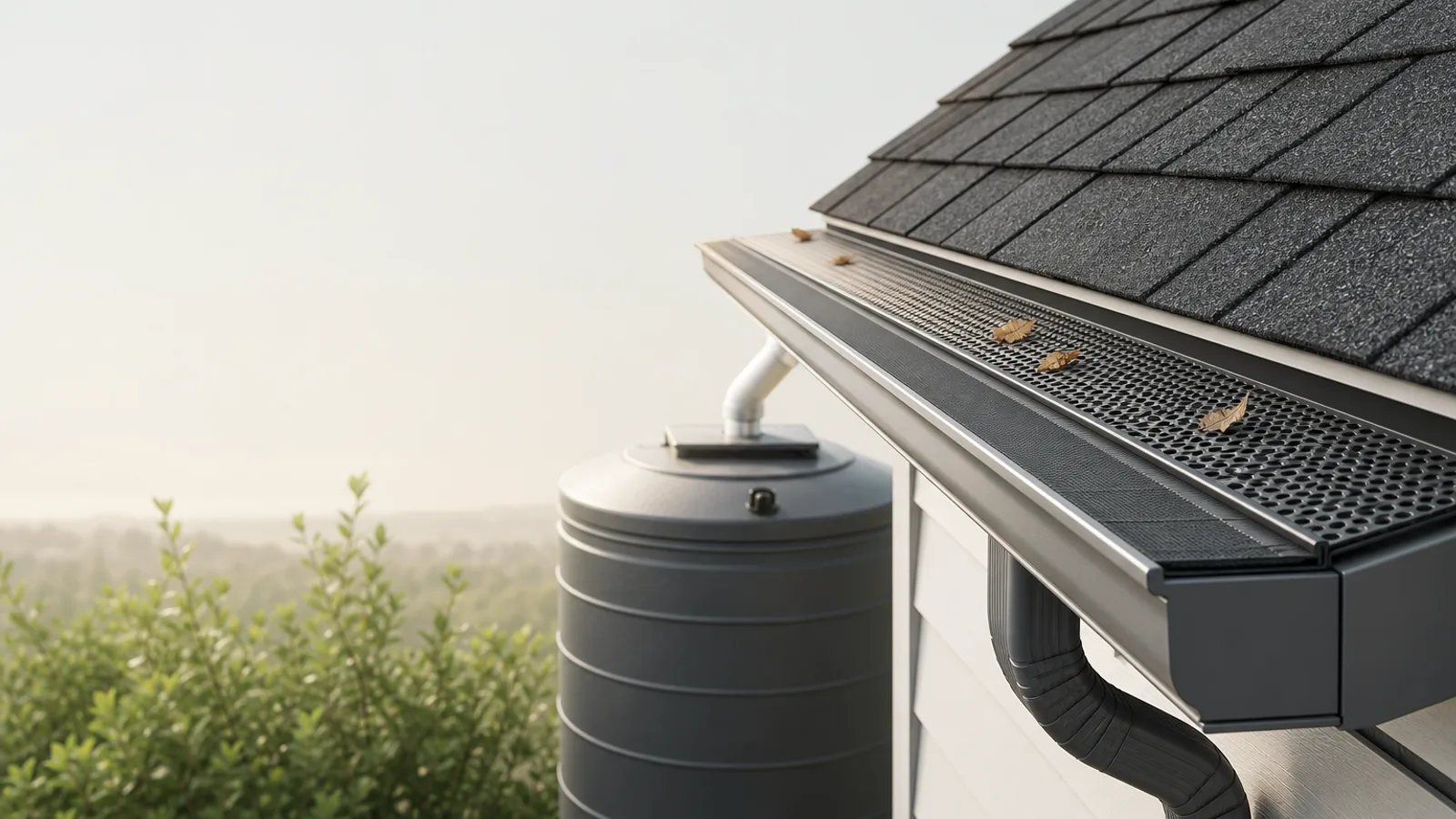
Many homeowners start thinking about copper gutters because they are tired of frequent cleaning and want a long lasting solution. While copper itself can offer a service life measured in decades when installed correctly, it does not prevent leaves and debris from collecting. If you are interested in combining copper gutters with gutter protection, the estimate visit is the right time to raise that topic. Different guard designs carry different costs and may require specific fastening methods to avoid damaging the copper.
Some cost guides include gutter guards as a significant factor in the total price of a copper system. Adding quality guards on every run raises the initial investment but can reduce ongoing cleaning needs, particularly in wooded parts of Pennsylvania, New Jersey, Maryland, Delaware, and Virginia. Because our company fabricates its own guards, we can explain how those guards attach, whether they are compatible with soldered copper, and how they affect hanger spacing and maintenance. If guards are in your plan, make sure they appear as a separate line in the estimate instead of being mentioned only in conversation. You can also ask how often the installer expects the protected system to need inspection and light service compared with open copper gutters.
If you decide that copper is the right fit and want to understand how guards would be integrated into that system, you can review our copper gutter installation service details and then use your estimate to make a decision that balances upfront cost with long term upkeep.
- undefined
- undefined
- undefined
- undefined
- undefined
- undefined
- undefined
- undefined
- undefined
- undefined
Frequently asked questions
- How much should I expect to pay for copper gutter installation on a typical home?
- Industry guides suggest that many residential copper gutter systems fall in the range of about $20 to $40 per linear foot installed, including materials and labor. For a home with around 200 feet of gutter, that often totals several thousand dollars once you include downspouts and accessories. The exact price depends on profile, copper thickness, number of corners, and any repair work to fascia or roof edges.
- What exactly happens during a copper gutter estimate visit?
- During a proper estimate, the contractor should walk the full perimeter of your home, measure each roof edge, and count every corner and downspout. They also look for damaged fascia, roof edge problems, and drainage trouble spots and then discuss gutter style, copper thickness, support spacing, and any add ons like gutter guards. All of this should be written into a detailed quote rather than summarized verbally.
- How can I tell if a copper gutter quote is detailed enough?
- A useful quote will list linear feet of gutter by side of the house, the number and size of downspouts, the chosen profile, and the copper thickness. It should also mention how joints will be handled, how often hangers will be spaced, and what fascia or roof repairs are included. Look for notes on removal and disposal of old gutters and cleanup as well so you know there are no hidden extras.
- Do I need to repair fascia boards before installing copper gutters?
- Any soft, rotten, or heavily cracked fascia needs attention before new gutters go on, especially with heavier metals like copper. Many installers can include fascia repair or replacement in the same project, and home quote checklists recommend clarifying this during the estimate. If fascia issues are skipped, new gutters can sag or pull away prematurely because they have nothing solid to anchor into.
- What questions should I ask the estimator about copper quality and installation methods?
- You should ask about the copper thickness, the gutter style and size, and what standards they follow for hangers and support spacing. It is also important to ask whether seams and corners will be fully soldered, what type of fasteners will touch the copper, and how often hangers will be placed along each run. These questions help you compare bids on material and workmanship quality instead of just price.
- How will I know if my new copper gutters were installed correctly after the job?
- After installation, you can look to see that gutters have a consistent slope toward downspouts and do not hold standing water. Check that hangers are firmly attached, joints show no visible gaps or leaks, and water exits where you and the installer planned instead of pooling near the foundation. Professional inspection checklists also suggest examining the roof to gutter interface to be sure water cannot slip behind the gutters.
- Can I add gutter guards to copper gutters and should that be in the estimate?
- Copper gutters can work with many styles of gutter guards, but the attachment method must be compatible so it does not damage the copper or block soldered seams. If you are considering guards, ask the estimator to price them as a separate line in the proposal and to explain how they will be fastened. Including them in the estimate helps you weigh the added upfront cost against the reduced cleaning over the life of the copper system.
Talk to All Pro Gutter Guards about copper gutter installation →