Thinking about seamless gutters but not sure what you really need or what matters in Pennsylvania, New Jersey, Maryland, Delaware, or Virginia. This guide walks you through materials, sizing, code basics, and what to ask an installer before you sign a contract.
What makes seamless gutters different and are they worth it for your home?
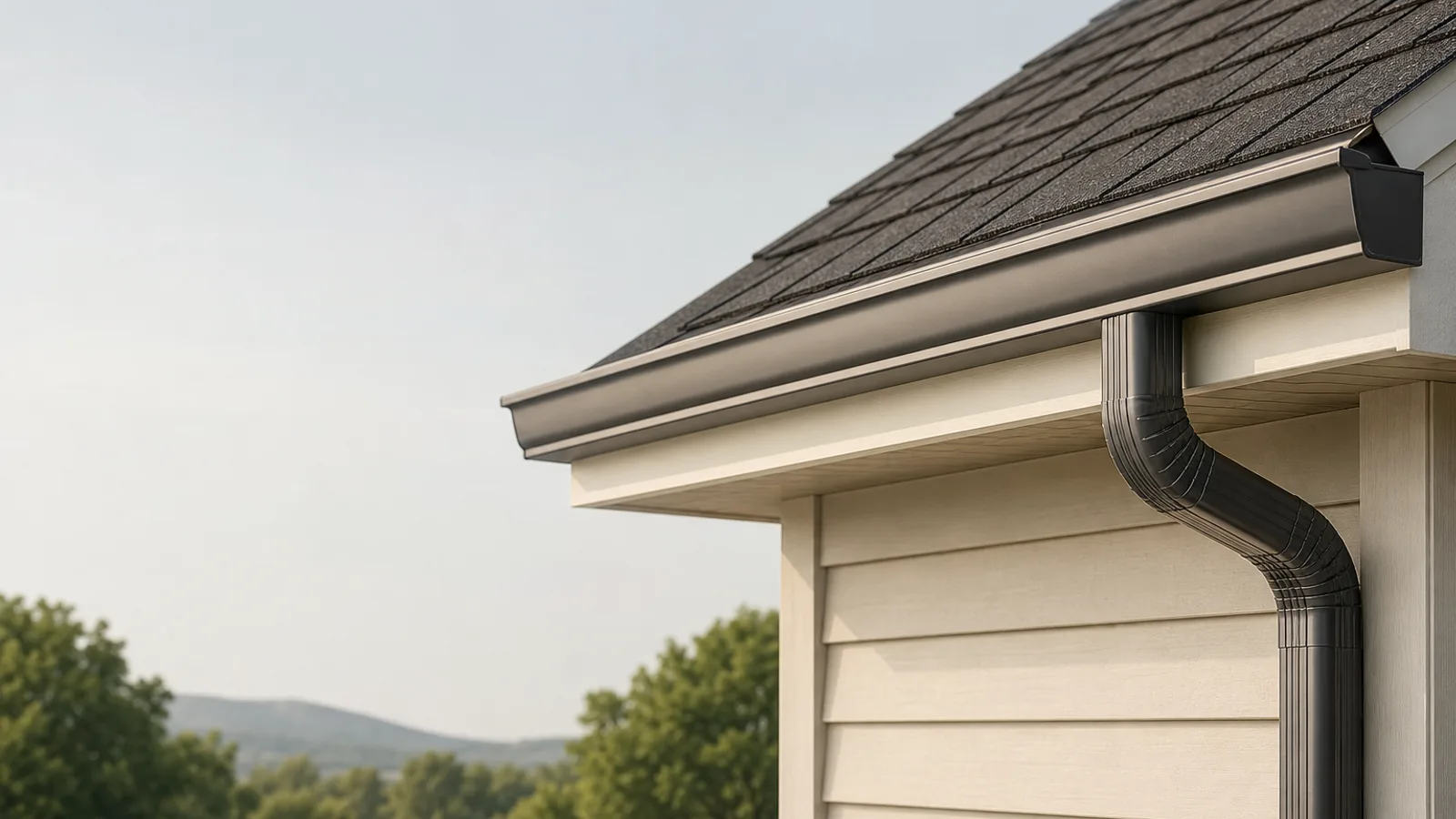
If you are tired of climbing a ladder to patch leaks at every joint, seamless gutters are probably on your radar. Instead of snapping together short pieces, seamless systems are formed from a single coil of metal that is rolled out and shaped on site to match the exact length of each eave. The only joints are at corners and where downspouts connect, which dramatically cuts down on the number of potential leak points compared with traditional sectional runs.
Major home improvement guides explain that this reduction in seams is the main performance advantage. Fewer seams mean less sealant to fail, fewer places for debris to get trapped, and a smoother interior surface for water to run through. Many homeowners also prefer the look. Long, continuous runs tend to blend into the fascia, especially when the gutter color is chosen to match the trim. For Mid-Atlantic homes that see frequent freeze-thaw cycles and heavy fall leaf drop, having as few weak spots as possible is a big part of long term durability.
That does not mean seamless gutters are automatically perfect for every situation. They must be formed by a contractor with a portable machine, so installation is not a do it yourself weekend project. If you have a tiny single-story outbuilding, sectional gutters from a home center might be adequate. For most full-size homes in Pennsylvania, New Jersey, Maryland, Delaware, and Virginia, seamless construction paired with good installation practices offers the best combination of performance and reduced maintenance.
- Seamless gutters are custom formed on site from continuous metal coil.
- They have joints mainly at corners and downspout outlets, not every 10 feet.
- Fewer seams generally translate into fewer leaks and clogs over time.
- They are installed by contractors with specialized forming equipment.
How do you choose the right gutter material, style, and size?
Before you pick colors or schedule an install date, you need to decide what your gutters will actually be made of. Common options include aluminum, galvanized or coated steel, and copper, each with its own trade-offs. Home improvement buyer guides describe aluminum as a popular choice because it is relatively light, resists rust, and comes in many factory-applied colors. Steel is heavier and more impact resistant but must rely on protective coatings to keep corrosion at bay, which means finish quality matters a lot. Copper is often chosen for historic or high-end homes for the patina and appearance, but material cost is higher and not every neighborhood needs that level of investment.
Style and size also play a major role in performance. Many residential homes in our region use K-style gutters, which have a flat back against the fascia and a profiled front edge. Half-round profiles are also used, especially on older homes or where a traditional look is preferred. According to technical resources on roof drainage, gutters must be sized for the roof area that drains into them. Wider gutters and larger downspouts can move more water, which becomes especially important under intense Mid-Atlantic thunderstorms or when long roof planes all feed into one run.
Rather than chasing a one-size-fits-all answer, focus on how your roof actually sheds water. A steep roof or one with multiple upper roofs feeding into a lower section may need larger gutters or extra downspouts even if the house itself is not huge. Material should balance your tolerance for maintenance, the look you want, and your budget. A good installer will walk the property with you, point out high-flow areas, and recommend a combination of material, style, and size that matches your home instead of forcing a preset package.
- Aluminum offers light weight, corrosion resistance, and many color choices.
- Steel provides added strength but relies on protective coatings to limit rust.
- Copper delivers a premium, traditional look at a higher material cost.
- K-style and half-round profiles handle water differently and change curb appeal.
Why sizing, slope, and downspout placement matter more than you think
Many homeowners shop gutters as if they were only a trim detail, but from a building science perspective they are a key part of protecting your foundation and walls. Technical guides from national building programs stress that gutters and downspouts must be properly sized and sloped so that water flows freely and does not spill over the edges. If gutters are undersized, even a well-built seamless run will overflow in a hard rain, dumping water next to your foundation where it can work its way into basements or crawl spaces.
Slope is another area where details matter. Field installation manuals used in New Jersey, for example, call for a minimum pitch toward the downspouts so water does not sit in the gutter. If gutters are installed level or with inconsistent slope, water can pool, leading to faster corrosion, algae growth, and added weight during freeze events. Over time this can pull gutters out of alignment and open gaps between the gutter and fascia.
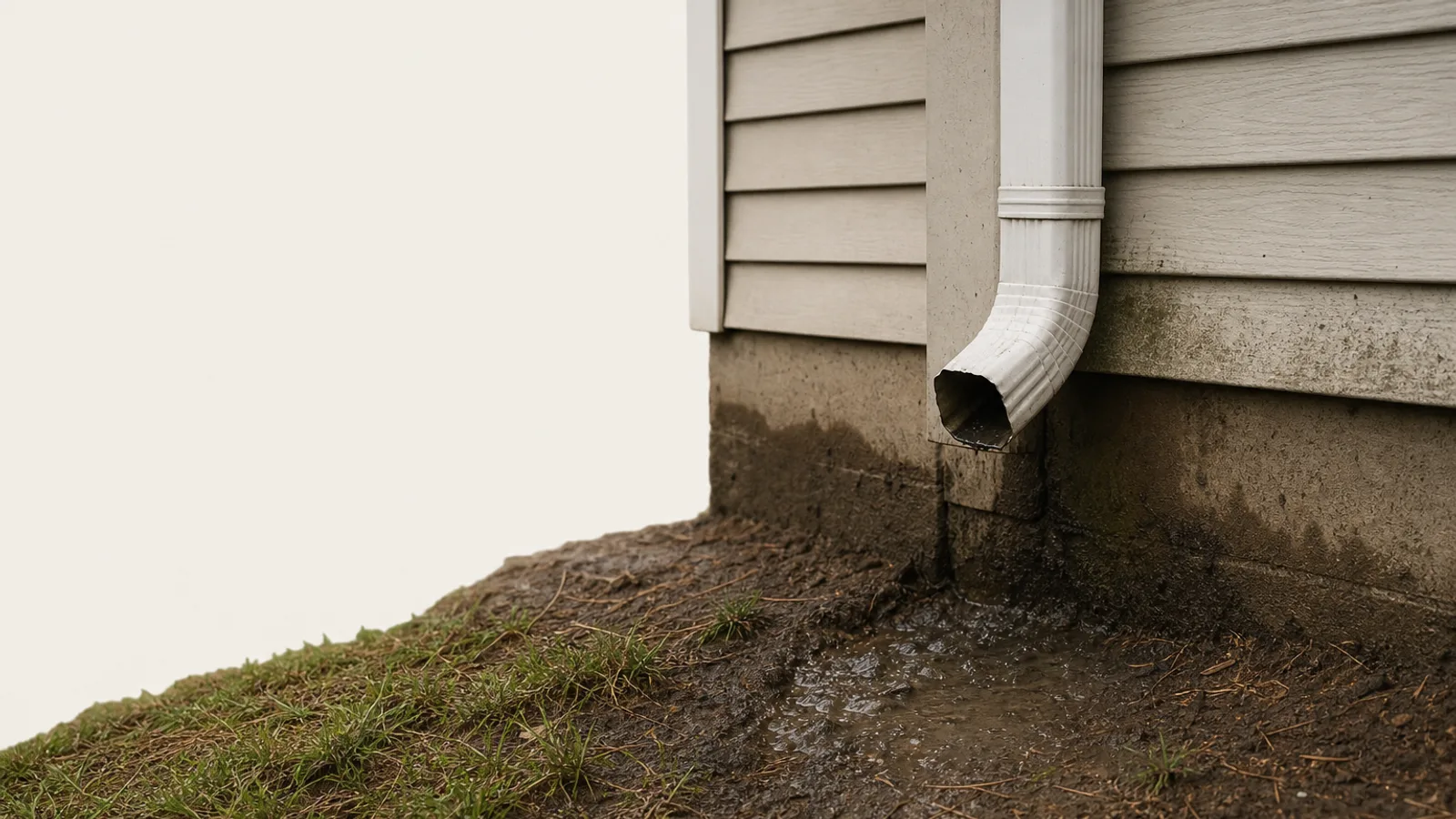
Downspout layout rounds out the system. Building science resources recommend routing roof runoff far enough away from the foundation that it does not simply soak back into the soil at the base of the house. This often means using extensions or splash blocks to move water several feet out into the yard. On complex roofs, each large catchment area may need its own downspout rather than relying on a single outlet. When you review proposals, look for notes on slope, outlet placement, and how far water will be discharged from the house, not just the footage of gutter being installed.
- Gutters must be sized for the roof area they serve to avoid overflow.
- Consistent slope toward downspouts helps prevent standing water in the trough.
- Insufficient downspouts can cause gutters to back up even if they are clean.
- Discharging water several feet away from the foundation protects basements.
What regional standards should Mid-Atlantic homeowners expect installers to follow?
Living in Pennsylvania, New Jersey, Maryland, Delaware, or Virginia means your gutters have to handle four seasons, from summer thunderstorms to freeze-thaw cycles and the occasional heavy snow load. While gutters themselves may not always be spelled out in detail in state codes, the way roof water is handled is tied closely to structural and moisture control requirements. For example, weatherization field guides used in New Jersey spell out that gutters should be pitched consistently toward downspouts and secured so that snow and ice do not easily pull them away from the house. They also call for compatible, watertight sealants where seams and joints are unavoidable.
Virginia’s statewide building code takes a broader view. It incorporates national model codes that require buildings to manage rainwater so that it does not compromise foundations, walls, or adjacent structures. Local building departments enforce these rules when roof systems are repaired or modified. Even if you do not need a specific permit for gutter replacement on an existing one- or two-family home, your installer should still follow the intent of the code by ensuring water is collected, carried, and discharged safely.
For homeowners, the key is not memorizing chapter and verse from technical documents, but using them to frame questions. Ask how your installer sets slope, how they select the number and size of downspouts for each roof area, and what they do to keep fasteners secure in snow-prone areas. In the Mid-Atlantic, you want a system that can handle both driving rain and freeze-thaw stress without pulling away, sagging, or sending water behind the gutter and into the wall assembly.
What should you look for in a seamless gutter installation proposal?
Once you start collecting estimates, you may notice a wide range of prices and line item descriptions. Instead of focusing only on the bottom line, compare how clearly each proposal explains the materials, workmanship, and details. Professional specification documents for sheet metal gutters show just how many variables exist. These include metal thickness, type of finish, how corners are formed, what sealants are used at joints, how hangers are spaced and attached, and what standards the installer follows during fabrication and installation.
Ask for the metal thickness, gutter style, and downspout size in writing. This prevents surprises where a thinner, more flexible metal is substituted for a more robust option. The proposal should explain how many downspouts will be installed, where they will be located, and how far water will be discharged from the homes foundation. Look for notes on how often hangers will be placed along the gutter and what fasteners will be used into the fascia, especially in areas with heavier snowfall or older wood.
If you expect to pair your gutters with guards, discuss that during the proposal phase so the system is designed as a whole. Some technical guides note that leaf guards can help keep flow paths clear, but only if they are matched to the gutter profile and roof conditions. When you review proposals for seamless gutter installation, prioritize clarity, construction detail, and long term performance over the absolute lowest price per linear foot.
- undefined
- undefined
- undefined
- undefined
- undefined
- undefined
- undefined
- undefined
- undefined
Frequently asked questions
- Are seamless gutters really better than sectional gutters for my home?
- Seamless gutters reduce the number of joints along each run, which cuts down on places where sealant can fail and leaks can start. They also provide a smoother interior for water to flow and a cleaner exterior appearance. Sectional systems can work, especially on small or simple roofs, but they typically require more maintenance over time.
- What gutter material should I choose for a Mid-Atlantic climate?
- In Pennsylvania, New Jersey, Maryland, Delaware, and Virginia, many homeowners choose aluminum because it resists rust and handles moisture and seasonal changes well. Coated steel can be a good option when extra strength is needed, as long as the finish is high quality to prevent corrosion. Copper is usually reserved for specific aesthetic goals or historic homes because of its higher material cost.
- How big should my seamless gutters and downspouts be?
- Proper sizing depends on the total roof area feeding into each gutter run and the steepness of your roof. Technical guides recommend matching gutter and downspout capacity to that contributing area so water does not overflow in heavy rain. This is why reputable installers measure roof planes and sometimes recommend larger downspouts or additional outlets on long or complex sections.
- What gutter slope is recommended to keep water flowing?
- Field guides used in the Mid-Atlantic recommend a slight, consistent pitch toward each downspout so water cannot sit and stagnate in the gutter. This gentle slope is usually not noticeable from the ground but is enough to move water along the trough. Your installer should set and check this slope along each run instead of relying only on the fascia line.
- Do I need to worry about building codes when replacing gutters?
- Most one- and two-family homes can replace gutters without a major permit process, but the work still has to align with state and local building requirements. In Virginia, for example, the statewide building code incorporates roof drainage expectations that protect foundations and neighboring properties. It is important that your installer understands those standards and designs the system to collect and discharge water safely.
- How far should my downspouts carry water away from the house?
- Building science resources recommend moving roof runoff several feet away from your foundation so it does not simply soak into the soil at the base of your walls. This can be done with simple splash blocks, rigid extensions, or underground piping where grading or landscaping demand it. When you review your gutter plan, make sure discharge locations and methods are clearly explained, not left as an afterthought.
- Can I install seamless gutters myself from parts at a home store?
- True seamless gutters are formed on site from continuous metal coil using a specialized machine, which is not something a homeowner typically owns or rents for a small project. Home centers do sell sectional gutters that you can cut and assemble yourself, but those are not seamless runs and will have more joints. For a full-house upgrade with long eaves or multiple stories, hiring a contractor who can form and hang seamless runs is usually the more reliable option.
Talk to All Pro Gutter Guards about seamless gutter installation →