Clogged gutters usually start with a few small oversights that turn into water damage, flooded basements, and ruined landscaping. Learn the most common mistakes homeowners make, plus how proper gutter guard installation can keep water moving where it belongs.
What really goes wrong when gutters clog around your home?
When most people think about clogged gutters, they imagine a simple nuisance: water spilling over the edge during a storm. In reality, a backed up gutter is a small part of a much bigger drainage system, and when one link fails, the consequences spread quickly. Municipal stormwater guidance from cities like Portland specifically warn that spillover near foundations raises the risk of water intrusion into basements and crawlspaces, not just cosmetic staining on siding.
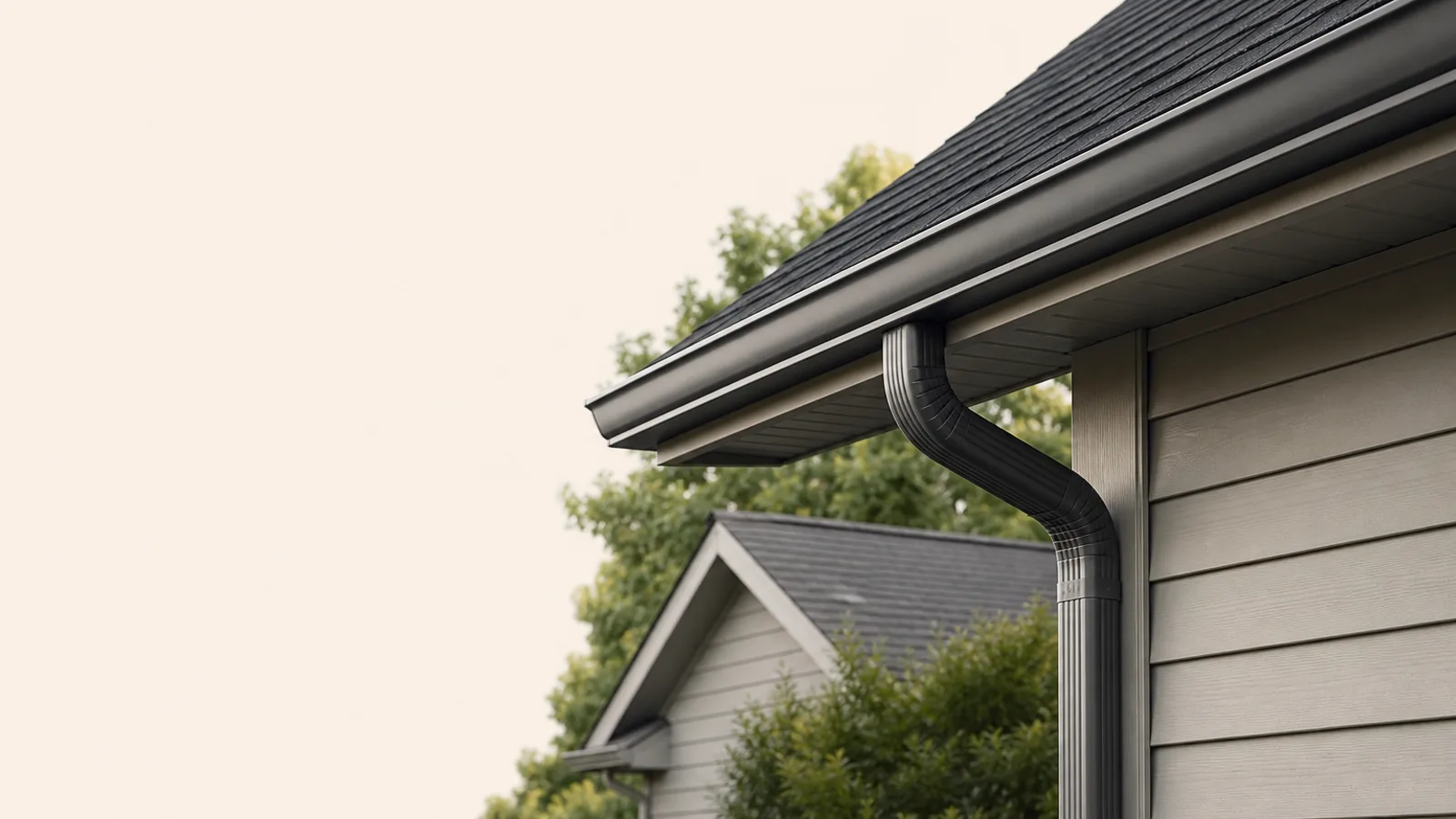
Your gutters, downspouts, and any buried drains or splash blocks all work together to take water from the roof and release it safely several feet away from the structure. Government flood preparedness advice in North America repeatedly stresses that water should never be allowed to collect around the base of a home and that downspouts should discharge well away from footings. Clogs interrupt this path, and water looks for the next easiest route, which might be behind your siding, into your fascia boards, or directly into the soil against your foundation where it can cause settlement and moisture problems over time.
In the Mid-Atlantic, where All Pro Gutter Guards serves homeowners, weather patterns swing from heavy summer storms to leaf-heavy autumns. That means long stretches where gutters carry a lot of water and debris at once. When gutters are already partially blocked by leaves, needles, or shingle grit, a single thunderstorm can send water over the back of the gutter and into the roof edge. Over years, this can contribute to rot in the fascia, damage to soffits, peeling paint, and erosion in flower beds and walkways below.
- Water backs up and spills over the front or back of the gutter
- Runoff saturates soil against the foundation walls
- Overflow stains siding and damages paint or trim
- Persistent moisture encourages rot in fascia and soffits
Why waiting too long to clean gutters is such an expensive mistake
One of the most common missteps homeowners make is cleaning gutters only once in a while or when they see a visible problem. Consumer maintenance guides point out that by the time you notice water sheeting over the edge, the system has probably been compromised for some time. City stormwater manuals consistently recommend cleaning or inspecting gutters at least twice a year and checking again after major storms because wind can rapidly load the system with debris.
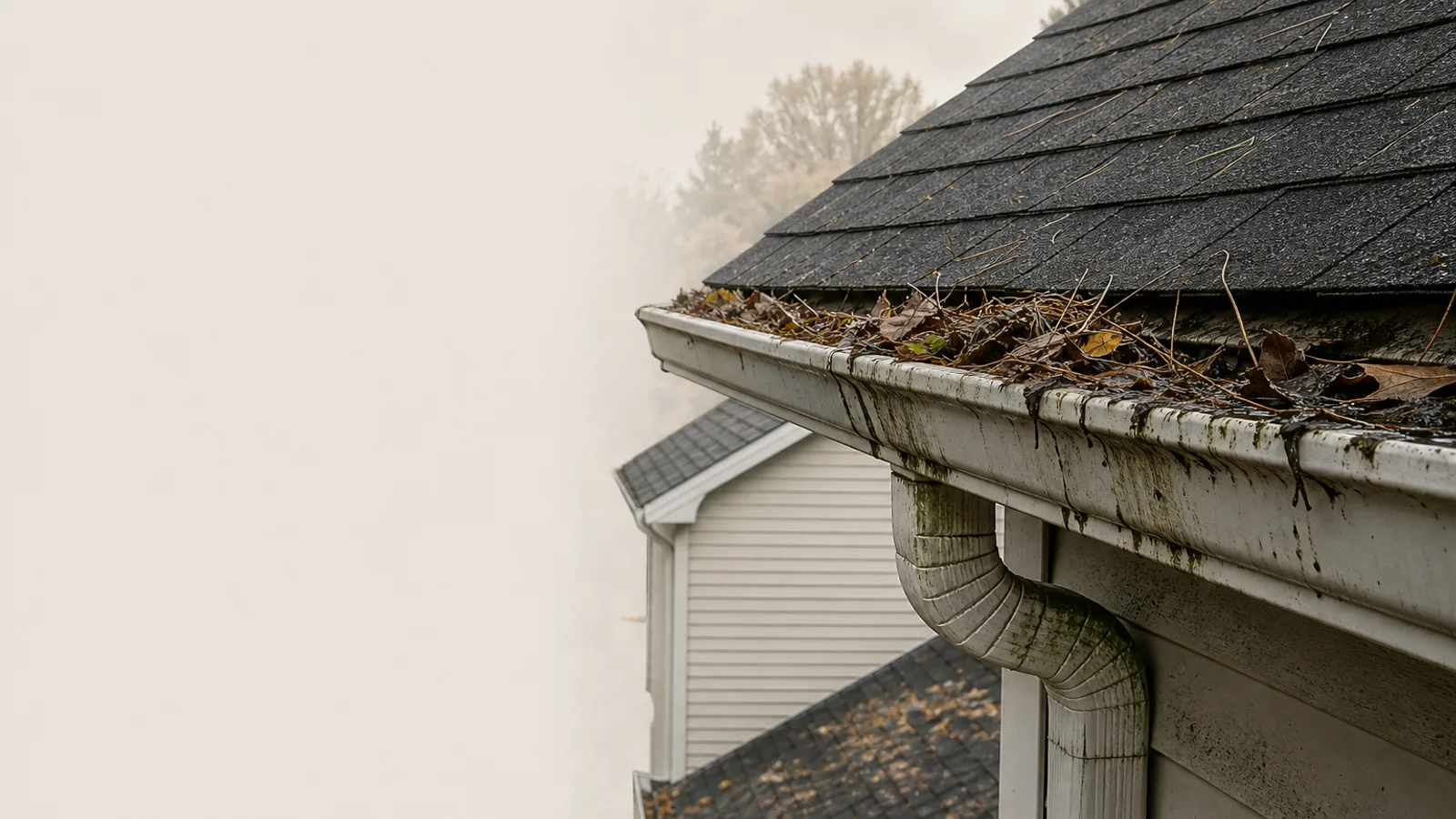
If you skip those inspections, the gutter trough turns into a compost line: wet leaves break down, trap shingle grit, and form dense mats that block outlets. As debris builds, weight increases and can pull on hangers, slowly changing the slope so water no longer runs to the downspout. At that point you have a mechanical problem in addition to a cleaning issue. Left alone, fasteners can loosen, seams can open, and sections can sag, all of which are more expensive to repair than a basic cleaning.
The safety aspect is also easy to overlook. Homeowner guides warn that rushing through a once-a-year ladder session, using the wrong ladder angle, or stretching sideways to reach a little farther is responsible for many of the falls that happen during do-it-yourself maintenance. Putting off the task makes it more demanding when you finally tackle it, because the gutters are heavier and the job is dirtier and longer, which increases the temptation to take risks to get it done quickly.
- Twice-yearly cleanings are the minimum most stormwater guides recommend
- Heavy debris loads can gradually pull gutters out of correct slope
- Severe clogs can hide loose hangers and small leaks until damage spreads
- Long gaps between cleanings often lead to rushed, unsafe ladder use
How ignoring downspouts turns a small clog into a drainage failure
Another big mistake is focusing only on the open gutter and ignoring where the water is supposed to go next. Maintenance resources point out that downspouts are frequent choke points, especially at elbows and the first bend as the vertical pipe changes direction. Even if you can see bare metal in the trough, a partially blocked outlet or elbow can throttle the entire run so that water builds up and spills long before it reaches the bottom of the system.
Government flood-prevention guidance highlights several things homeowners should not do with downspouts: do not let them empty directly onto small paved areas that slope back toward the house, do not reconnect them in ways that send water toward neighbors or into areas that do not drain, and do not simply disconnect them and hope the water disappears into the lawn. Instead, they stress the need for properly graded soil that sheds water away from the structure and for discharge points placed several feet from the foundation, often with a splash block or extension to spread the flow.
For homes across Pennsylvania, New Jersey, Maryland, Delaware, and Virginia, this is especially important because many lots have subtle grading changes that are not obvious until a heavy rain reveals where water prefers to pool. A clogged downspout that releases water right at the base of the wall can contribute to damp basements and frost-related movement in colder weather. Even when you install gutter guards, choosing a style and installation method that protects downspout inlets is critical, since leaving them exposed allows large debris to enter and lodge out of sight.
- Check that every downspout inlet is free of screens packed with debris
- Confirm elbows and bends are not restricted by compacted leaves or grit
- Make sure downspouts discharge several feet away from the foundation
- Avoid reconnecting downspouts into areas that do not drain properly
Where DIY gutter guard installations usually go wrong
A lot of homeowners decide to solve their clog headache by buying gutter guards and installing them over a weekend. That can be a smart move, but the way guards are installed matters as much as the product itself. Field guides aimed at installers call out several recurring errors: setting the guard flat so water pools instead of following the roof slope, using fasteners too close together or far apart so the guard warps or flexes, and taking shortcuts at corners instead of using properly formed miters that actually contain the flow.
Roof and gutter guard blogs also describe specific mistakes that can void warranties and cause leaks. Driving screws through shingles or lifting shingles to tuck a guard flange can damage roofing materials and violate manufacturer instructions. Installing over dirty, dented, or misaligned gutters locks existing problems in place and can hide issues until they become leaks inside the house. Using the wrong type of fastener or mixing components from several brands can lead to corrosion, poor fit, or loss of any performance guarantee associated with the system.
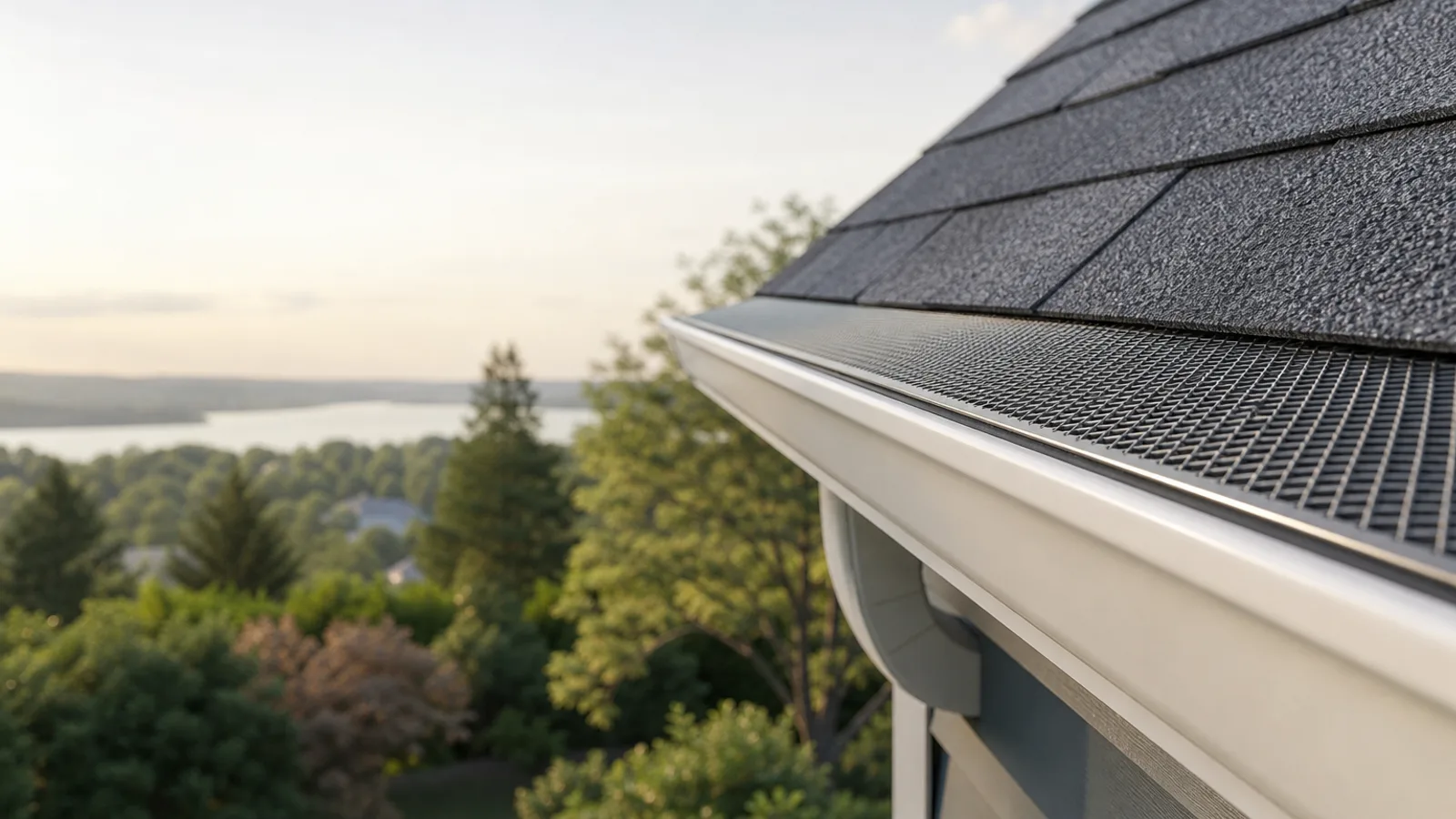
Another frequent oversight is choosing a style of guard that does not match the debris load on your property. Fine micro-mesh is usually better for homes under pine trees or with heavy roof granule loss, while larger openings may be acceptable under broadleaf trees but can let needles or seed pods through. Guides for professionals also warn against treating guard mesh roughly during cutting and installation, since kinks and tears are weak points that can trap debris and change how water flows across the surface. A damaged panel that seems minor on a dry day can become the source of a surprising overflow in a downpour.
Why thinking gutter guards mean “no maintenance” backfires
One of the most appealing promises of gutter guards is less time on ladders. However, homeowner-focused maintenance articles consistently caution against assuming that any guard system makes gutters completely maintenance free. Fine debris like shingle grit, pollen, and small leaf fragments can still build up over time, particularly on top of guards or at roof valleys where water and material concentrate. If you never check the system after guards go on, small accumulations can eventually form dams that send water over the edge in heavy weather.
City stormwater manuals recommend inspection after major storms even for protected systems because wind can drive unusual material onto roofs, from small branches to construction debris. If a branch bends or dislodges a guard panel, water may bypass the intended path entirely. Likewise, if a downspout extension or splash block is knocked out of place, water might suddenly discharge against the foundation. Guards reduce the amount of scooping you need to do, but someone still has to confirm that water is leaving the roof, flowing through the gutters and downspouts, and being released into an area that drains well.
For many homeowners, this is where professional help becomes valuable. A pro who specializes in gutter protection can match guard design to your roofline and tree cover, install in accordance with manufacturer guidelines, and outline a realistic inspection schedule for your area. If you decide to have a company handle both cleaning and protection, services like gutter guard installation can be paired with an initial tune-up of your existing gutters so you are starting with clean, correctly sloped runs and properly aligned downspouts rather than locking problems under a new layer.
- undefined
- undefined
- undefined
- undefined
- undefined
- undefined
- undefined
- undefined
- undefined
- undefined
Frequently asked questions
- How often should I clean my gutters if I plan to add gutter guards?
- Public stormwater guidance commonly recommends cleaning or at least inspecting gutters twice a year and after big storms, even for protected systems. Before adding guards, make sure the gutters and downspouts are completely clear and properly sloped. Once guards are installed, you may only need quick visual checks and occasional rinsing instead of full cleanouts, but the exact interval depends on your trees and roof.
- Can gutter guards cause problems if they are installed wrong?
- Yes, badly installed guards can make clogging and overflow worse instead of better. Installer field guides describe issues like flat installation, warped panels, and poor miters at corners, all of which can trap debris and redirect water where it should not go. Some installation errors, such as screwing through shingles or ignoring manufacturer instructions, can also affect warranties and lead to leaks.
- Do clogged downspouts really matter if the gutters look clear?
- They matter a lot, because downspouts are the only way water can leave the gutter system in a controlled way. Government and city maintenance resources warn that elbows and bends often clog first, which causes water to build up and spill over long before you see debris on top. A quick hose test at each downspout outlet can reveal hidden blockages and confirm that water is discharging away from your home.
- Is it safe to disconnect my downspouts and just let water run into the yard?
- Official flood-prevention advice says you should not simply disconnect downspouts without a plan for where the water will go. Letting water pour out near the foundation, onto small paved areas that slope back to the house, or into low spots that do not drain can increase your risk of basement moisture and surface flooding. If you change your downspouts, make sure discharge points are several feet away in areas that are graded to shed water.
- Will installing gutter guards mean I never have to get on a ladder again?
- Gutter guards greatly reduce the amount of debris that enters the system, but they do not eliminate maintenance entirely. Consumer maintenance guides emphasize that fine material and odd debris can still collect on top of guards or at downspout inlets, so periodic checks are still necessary. Many homeowners find that after guards are installed, they move from dirty, hands-on cleanings to simple visual inspections and occasional light rinsing.
- How do I know if my gutters have the right slope before adding guards?
- Properly sloped gutters carry water smoothly to each downspout without long areas of standing water. City stormwater manuals recommend watching gutters during a rain or running a hose along the roof to see if any sections hold water or spill over in the middle of a run. If you notice pooling, sagging, or water flowing the wrong way, it is best to have hangers adjusted or repairs made before you install any guard system.
Talk to All Pro Gutter Guards about gutter guard installation →